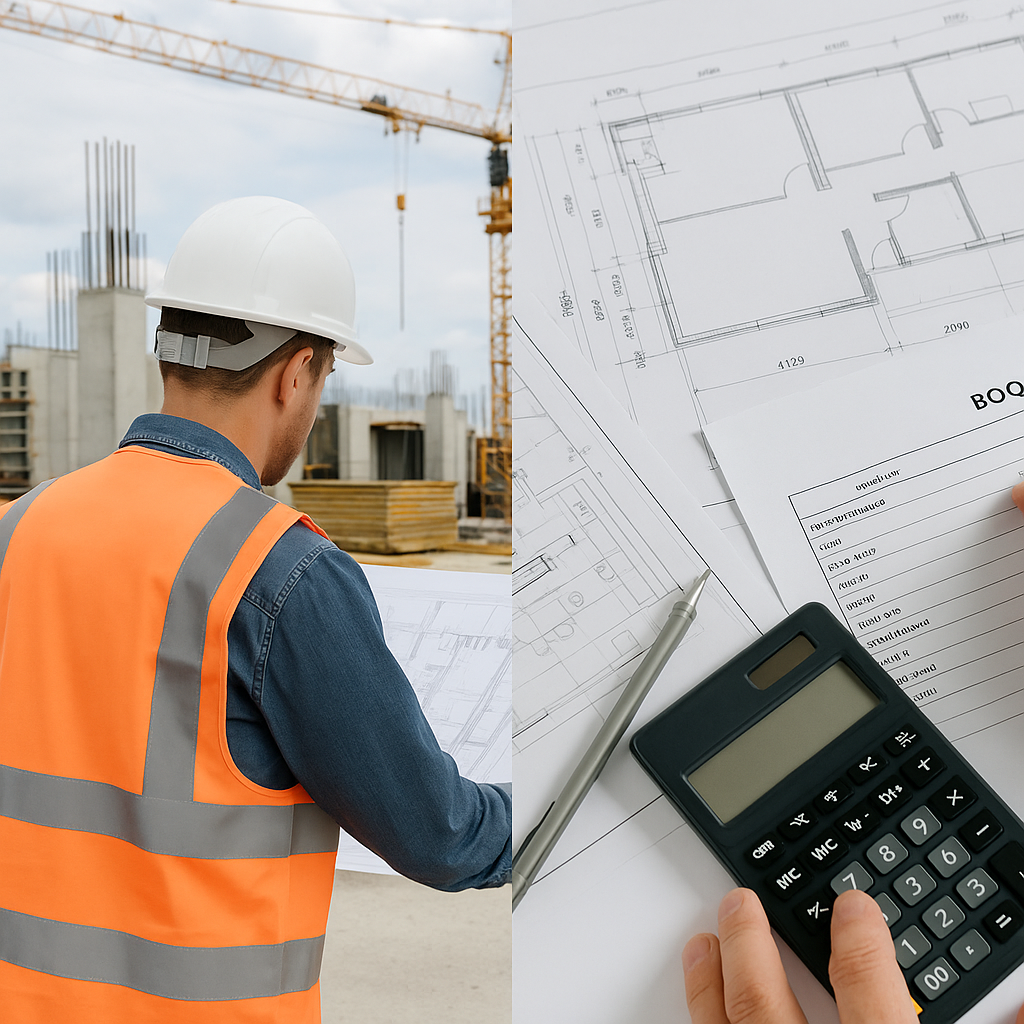
IGMP vs GMP in Construction: Key Differences and When to Use Each
You’ve probably heard the terms IGMP (Indicative Guaranteed Maximum Price) and GMP (Guaranteed Maximum Price) tossed around in pre-construction meetings. They sound similar, but they’re not interchangeable. If you confuse one for the other, you could end up with a pricing strategy that’s all wrong for the project—and that’s a fast track to busted budgets and unhappy clients.
So, what’s the difference? And more importantly, when should you use IGMP vs GMP? Let’s break it down.
The Basics: What Are IGMP and GMP Contracts?
IGMP (Indicative Guaranteed Maximum Price)
IGMP is essentially an early-stage estimate. It’s a ballpark figure contractors provide before the design is fully locked in. Clients use it to get a sense of costs without committing to a final number. Think of it as a placeholder—indicative, not definitive.
- When it’s used: Early in the design phase, often when only 30–50% of the drawings are complete.
- Key feature: It allows for adjustments as the design evolves, but it gives the client a rough idea of the maximum cost.
- Risk: The contractor takes on less risk because the price can shift as more details emerge.
- Example use case: A client is still debating material finishes or structural design options but needs a preliminary cost estimate for feasibility and budget planning.
Actionable Steps for IGMP Contracts:
- Collaborate Early: Work closely with architects and engineers to understand preliminary requirements and constraints.
- Use Historical Data: Leverage past project data to develop an accurate ballpark figure.
- Communicate Flexibility: Ensure the client understands that IGMP is subject to change as more details emerge.
- Document Assumptions: Clearly outline what design assumptions your IGMP is based on to avoid disputes later.
GMP (Guaranteed Maximum Price)
GMP, on the other hand, is a firm commitment. It’s the maximum price the client will pay, no matter what surprises pop up during construction. The contractor takes on the risk of overruns but also keeps any cost savings (if the project comes in under budget).
- When it’s used: After the design is finalized, usually 90–100% complete.
- Key feature: It’s binding. The contractor absorbs the risk if costs exceed the agreed amount.
- Risk: High for contractors, especially if the scope or BOQ (Bill of Quantities) isn’t accurate.
- Example use case: A commercial office building project where the client has locked in all design specifications and requires cost certainty.
Actionable Steps for GMP Contracts:
- Conduct Thorough Reviews: Verify the BOQ, scope documents, and pricing details multiple times before committing.
- Plan for Risk Mitigation: Include contingencies for potential overruns, such as delays or material price increases.
- Incentivize Cost Savings: Establish agreements with subcontractors that reward efficiency and minimize waste.
- Monitor Progress: Use project management tools to track spending and flag deviations from the budget early.
The Real Question: When Should You Use IGMP vs GMP?
Use IGMP When:
- The project is in its early stages: When only conceptual or schematic designs are available, IGMP provides a rough cost framework.
- The client needs flexibility to tweak the design: Clients still exploring design options or value engineering will benefit from IGMP.
- You don’t have complete drawings or finalized specs: It’s impossible to give a firm number without detailed design documents.
- Both parties are comfortable with uncertainty: IGMP works best when the client and contractor are aligned on the iterative nature of early-stage pricing.
Use GMP When:
- The design is 100% locked: Finalized plans mean fewer variables, making GMP a viable option.
- The client demands cost certainty: GMP is ideal for securing financing or regulatory approvals that depend on a fixed budget.
- You have accurate BOQs, scope details, and pricing: Confidence in your data is critical.
- The contractor is confident in their ability to manage risks: Experienced teams with robust risk management processes can handle GMP contracts better.
Why Accurate BOQs Are Non-Negotiable for GMP Contracts
Here’s the thing about GMP contracts: they rely entirely on the accuracy of your BOQ. If you get the quantities, rates, or classifications wrong, that “guaranteed maximum” starts looking like a laughable fantasy.
A 2021 McKinsey report found that inefficiencies in tender preparation, including errors in BOQs, cost contractors up to 30% of project value. That’s not just a stat—it’s a wake-up call.
A Common Scenario
You’re on-site, gathering data for the BOQ. You jot down measurements on paper, snap a few photos, and promise yourself you’ll input everything into the ERP back at the office. But by the time you sit down, your notes are incomplete, the photos are scattered across devices, and you can’t remember why you wrote “+10%” next to a line item. Sound familiar?
This is exactly where tools like BidNext make a difference. Instead of juggling paper and mental math, you can build BOQs directly on-site, line by line, using your phone. Need to attach photos or documents? Done. The data syncs instantly with your ERP, eliminating manual errors and saving hours of rework.
IGMP vs GMP: Pros and Cons
| Feature | IGMP | GMP |
|---|---|---|
| Flexibility | High, allows for design changes | Low, design must be locked |
| Cost Certainty | Low, indicative pricing only | High, guaranteed maximum cost |
| Risk for Contractor | Low, pricing adjusts as scope evolves | High, contractor absorbs cost overruns |
| Ease of Preparation | Faster, less detailed estimates | Slower, requires detailed BOQs |
Common Mistakes to Avoid
- Rushing the BOQ: Don’t rush just to meet a tender deadline. An inaccurate BOQ can sink your GMP margins.
- Overestimating Savings: Don’t assume you’ll save enough on materials or labor to cover errors. Hope isn’t a strategy.
- Ignoring Scope Creep: Even with GMP, scope creep can eat into your profits if you’re not vigilant.
- Failing to Communicate: Ensure clients understand the limitations and risks of each contract type upfront.
Final Thoughts
IGMP and GMP contracts each have their place in construction. The trick is knowing when to use which—and ensuring your data is rock-solid before committing to a GMP.
If you’re tired of juggling paper, spreadsheets, and scattered notes, BidNext can help. It’s built for contractors who need real-time accuracy, whether you’re working on an IGMP estimate or locking in a GMP contract. Get started free →
Learn more at JobNext.ai - Construction ERP