Out of Sight, Out of Business: Why Field Teams Lose Bids Without Real-Time Tools
I used to think delayed quotes were just a minor inconvenience. If a prospect was serious, they’d wait a few days for us to turn around the paperwork. After all, quality work takes time, right? That’s what I told myself. And I wasn’t alone. Many contractors I spoke to felt the same way. But then, reality slapped me in the face.
One day, a prospect called asking for a quick quote on a small fit-out project. They needed pricing fast to finalize their budget. We had the perfect solution for them—competitive rates, reliable timelines, and a strong track record. But our field team couldn’t pull the details together on-site. They jotted notes on paper and promised to follow up after syncing with the ERP back at the office. By the time we sent the quote three days later, the job was already gone—to a competitor who responded within hours. That was the wake-up call.
Why Speed Matters More Than Ever
So, what changed my thinking? According to BidNext, 64% of sales opportunities in construction are lost because of slow follow-ups or incomplete data (Field Teams Lose Bids While Stuck with Desktop Tools - BidNext). Couple that with my own experience, and the pattern was clear: speed isn’t optional anymore. Prospects won’t wait, no matter how good your work is. If you’re not fast, you’re out of the game.
Let’s break this down. When a lead comes in, they’re often evaluating multiple options. Contractors who can respond quickly with accurate, detailed quotes gain a significant advantage. Think about it this way: if you were a customer trying to finalize a budget, would you wait three days for a quote when another contractor can get it to you in hours? Probably not.
This urgency has only intensified in recent years. Construction Executive cites research from the Construction Industry Institute showing that 74% of projects starting construction prematurely experience significant productivity losses (Construction Teams Lose Money When Bid Information Doesn’t Sync). The conclusion is clear: speed and accuracy in quoting are critical, not just for landing the job but for ensuring the project runs smoothly afterward.
Why the Old System Held Us Back
Let’s be fair to the old belief, though. It made sense back when office systems were the only way to generate quotes and track leads. Field teams didn’t have the tools to handle data on-site, so delays were unavoidable. And quoting isn’t just about filling out numbers. It involves scope reviews, manpower estimates, pricing margins, and approval workflows. That complexity kept us tethered to desktops for years.
But here’s the catch: while we were stuck in the office, competitors were already adopting mobile tools to get ahead. Tools that allowed their field teams to finalize quotes on-site, log leads instantly, and sync with their ERPs in real time. These tools eliminated the lag time that used to be the norm.
How Mobile Tools Changed the Game
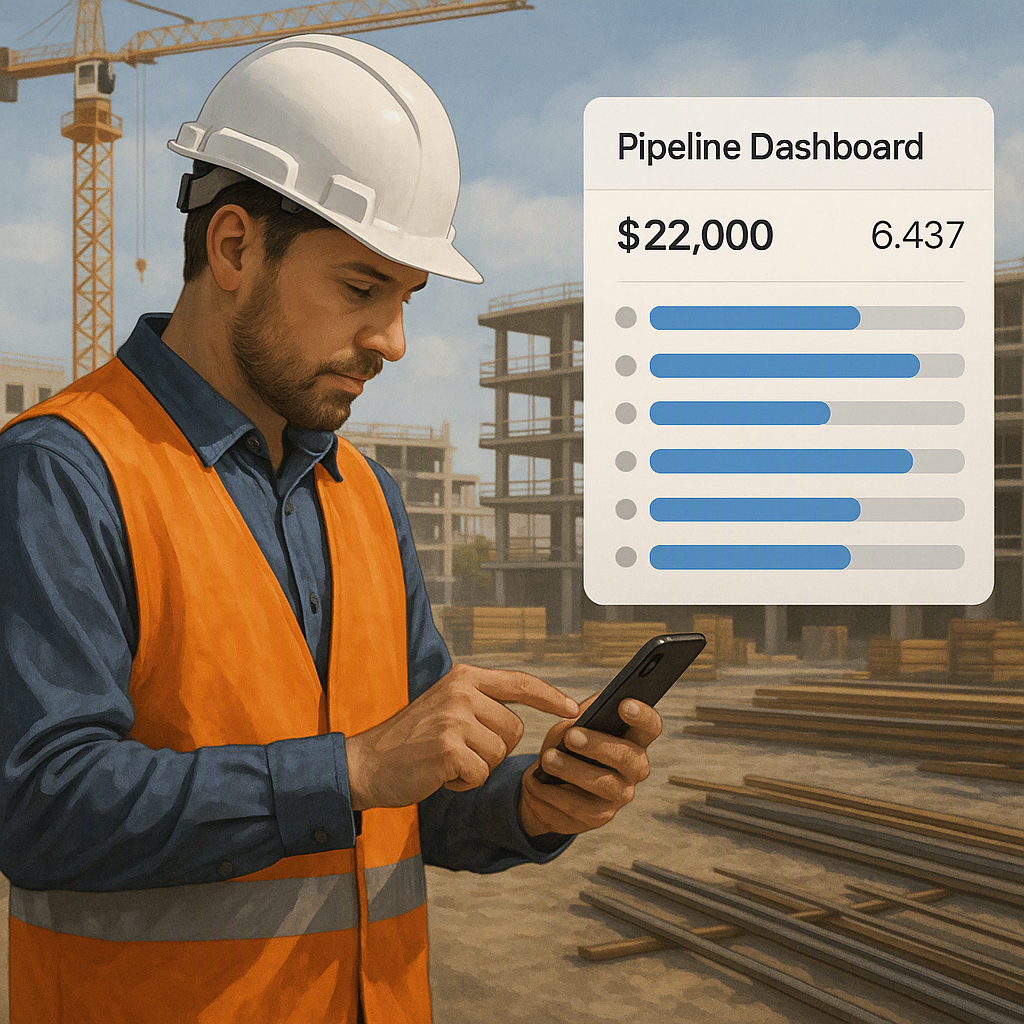
Now, we approach quoting differently. When a prospect calls, we don’t let them go cold. Using BidNext’s Prospect Management tool, our field team can create leads, attach scope notes, and schedule follow-ups directly from their phones. No paper trails, no WhatsApp silos, no manual data re-entry. And if they need to build a Bill of Quantities (BOQ) on-site, the app lets them do that too—line by line, complete with rates and UOM classifications. It’s all synced instantly to JobNext ERP, so the office can pick up where the field team left off.
Here’s a step-by-step breakdown of how tools like this work:
- On-Site Lead Capture: Field teams log prospects directly into the app, including initial scope details, photos, and contact information.
- Real-Time Syncing: Data syncs automatically to your ERP, eliminating the need for manual re-entry back at the office.
- BOQ Creation: Teams can build BOQs on-site, ensuring details are accurate while the information is fresh.
- Follow-Up Scheduling: The app allows users to set follow-up reminders immediately, so no lead falls through the cracks.
- Office Collaboration: Office teams can review, finalize, and send quotes almost immediately after the field team logs the initial details.
The impact was immediate. BidNext reports that contractors who adopt real-time CRM systems capture 8% more deals (Unlock 8% More Deals: Real-Time CRM for Contractors). No more waiting days to send quotes. No more missed follow-ups because someone forgot to log a contact. And no more losing jobs to faster competitors.
Addressing Common Concerns
I’ll be honest—this shift wasn’t free. It took time to train the team and optimize workflows around mobile tools. We also had to navigate initial skepticism from senior management, who worried about data security and app reliability. These concerns were valid, but the benefits outweighed the risks.
Here’s how we addressed the most common concerns:
- Data Security: We ensured the tools we adopted, like BidNext, used encrypted data transfers and multi-factor authentication. This safeguarded sensitive business information.
- Reliability: We tested the app in different environments before full deployment. While some minor syncing issues occurred in areas with poor connectivity, BidNext’s offline functionality ensured no data was lost.
- Training: We invested in short, practical training sessions to get everyone up to speed. Most team members adapted within a week.
What Did Being Wrong Cost Us?
Missed bids meant lost revenue, frustrated prospects, and wasted effort on leads that went nowhere. And even now, I’m not sure we’ve solved every problem. For example, offline functionality is critical for remote sites without reliable internet, and while BidNext handles this well, it’s not perfect. Sync delays occasionally pop up, and we’re still fine-tuning approval workflows for urgent quotes. But the direction is clear: real-time tools are the future, and standing still isn’t an option.
Decision Framework: Should You Invest in Real-Time Field Tools?
| Criteria | Traditional System | Real-Time Mobile Tools |
|---|---|---|
| Speed of Quote Turnaround | 2–3 days | Same day or within hours |
| Data Accuracy | Prone to manual errors | Synced automatically |
| Follow-Up Efficiency | Manual, often forgotten | Automated reminders |
| Initial Investment | Low | Medium |
| Long-Term ROI | Moderate to low | High |
If your field team consistently faces delays or inaccuracies, mobile tools provide a clear advantage. The initial investment may seem daunting, but the long-term benefits in terms of speed, accuracy, and successful bids far outweigh the costs.
Conclusion
If your field team is struggling with quoting delays or missed follow-ups, BidNext can help. The shift to real-time tools isn’t just about convenience; it’s about survival in a fast-paced, competitive market. Don’t let outdated systems hold your business back. Get started free →
Learn more at JobNext.ai - Construction ERP