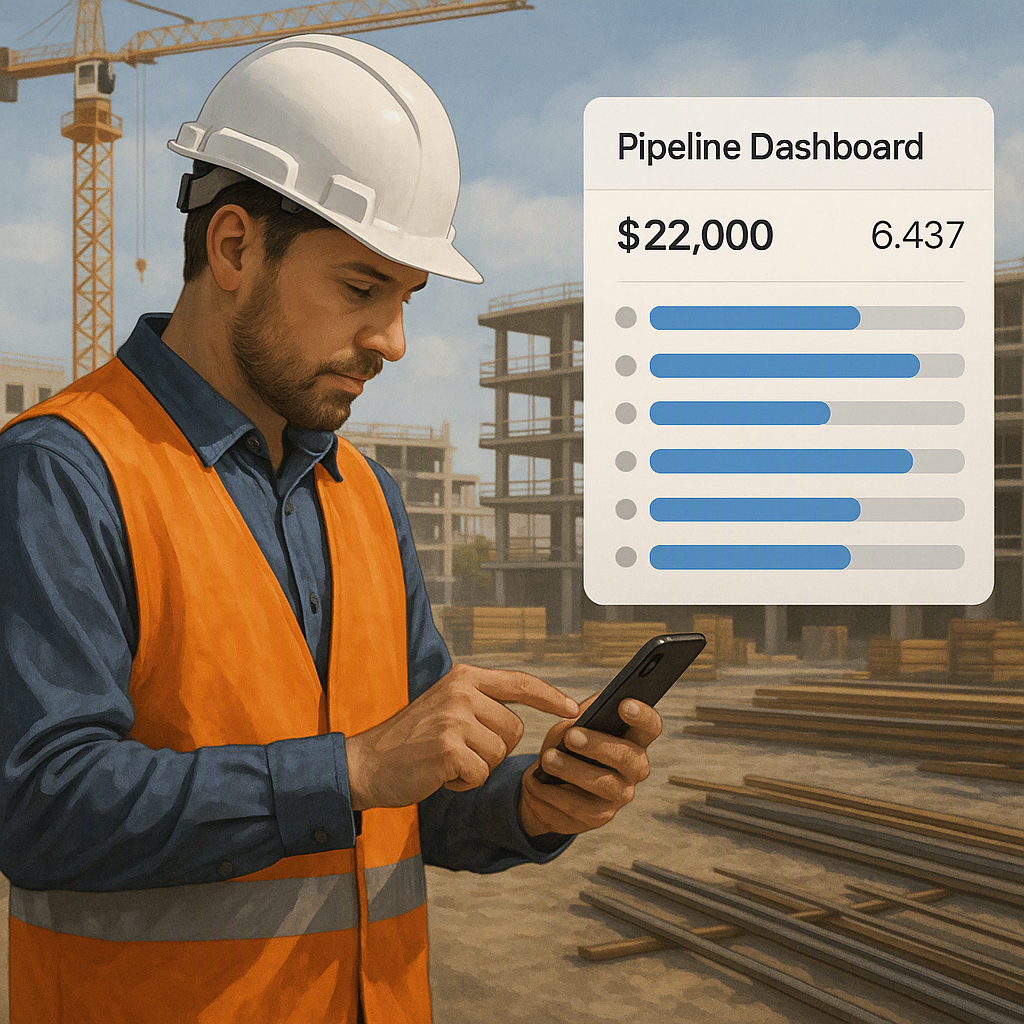
Why Construction Job Openings Are Rising in June
June often sees a rise in construction job openings — a trend influenced by seasonal demand and broader industry challenges. According to the Bureau of Labor Statistics, construction job openings have been increasing during summer months. But why is this happening? And how can contractors adapt?
The uptick in job openings isn’t solely due to more projects breaking ground. A chronic labor shortage in the industry plays a significant role. Baby boomers are retiring, while younger workers aren’t filling those gaps fast enough. Seasonal demand for labor, especially in regions where weather restricts construction in winter, further exacerbates the hiring crunch.
The Real Problem: Disconnected Field Teams
Contractors face another challenge: keeping their field and office teams connected. Disconnected workflows can lead to inefficiencies and missed opportunities. For example, when field sales reps collect data manually and delay entering it into the system, leads can go cold before the office team can act on them.
Field teams operating in silos aren’t just a management headache — they can directly impact a contractor’s ability to secure new projects.
How Contractors Can Adapt: Real-Time Prospect Management
Fixing these issues starts with implementing real-time prospect management systems. Tools that enable field teams to capture, sync, and share data instantly can bridge the gap between the field and the office.
Illustrative Example — Real-Time Workflow
Imagine a sales rep visits a potential site for a renovation project. They meet the client, discuss the scope, and complete a site survey. Instead of writing everything down and entering it later, they use a mobile app to log all details on-site:
- Create a new prospect entry, including contact information, project scope, and site photos.
- Schedule follow-ups during the initial meeting to ensure timely communication.
- Sync all data to a centralized system, enabling the office team to access and act on it immediately.
This kind of real-time awareness can significantly reduce quoting turnaround times and improve the chances of securing projects.
Why Speed Matters More Than Ever
In the construction industry, speed and accuracy are critical. A contractor who can provide a quote quickly and efficiently has a competitive edge over others who take longer. Clients value responsiveness and precision, and delays in workflows can result in lost opportunities.
During hiring surges like those in June, when projects are piling up and teams are stretched thin, optimizing workflows becomes even more essential. Quick, seamless processes can help contractors stay competitive and meet increased demand.
The Role of Real-Time Awareness
Real-time awareness is no longer optional for contractors. Knowing what’s happening across your team as it happens allows for faster, smarter decision-making. Features like centralized data access, instant updates, and automated follow-ups can help contractors stay organized and proactive.
Common Mistakes Contractors Make During Hiring Surges
-
Overpromising and Underdelivering: Taking on more projects than your team can handle leads to missed deadlines and unhappy clients. Use tools to track your pipeline and allocate resources effectively.
-
Ignoring Pre-Construction Bottlenecks: Slow pre-construction processes can result in lost opportunities. Streamline workflows, especially quoting and lead tracking.
-
Relying on Outdated Systems: Manual data entry and desktop-based CRMs are inefficient. Invest in mobile-first tools to keep your team connected.
-
Skipping Follow-Ups: Prospects won’t wait forever. Automate follow-ups to ensure no lead gets forgotten.
-
Failing to Upskill Staff: Hiring more workers isn’t enough. Training them on tools and processes ensures productivity from day one.
Final Thoughts
Construction job openings are on the rise, but so are the challenges that come with them. Contractors can adapt by addressing labor shortages and optimizing workflows. Real-time tools and proactive management strategies are essential for staying competitive in a fast-paced industry.
Learn more at JobNext.ai - Construction ERP