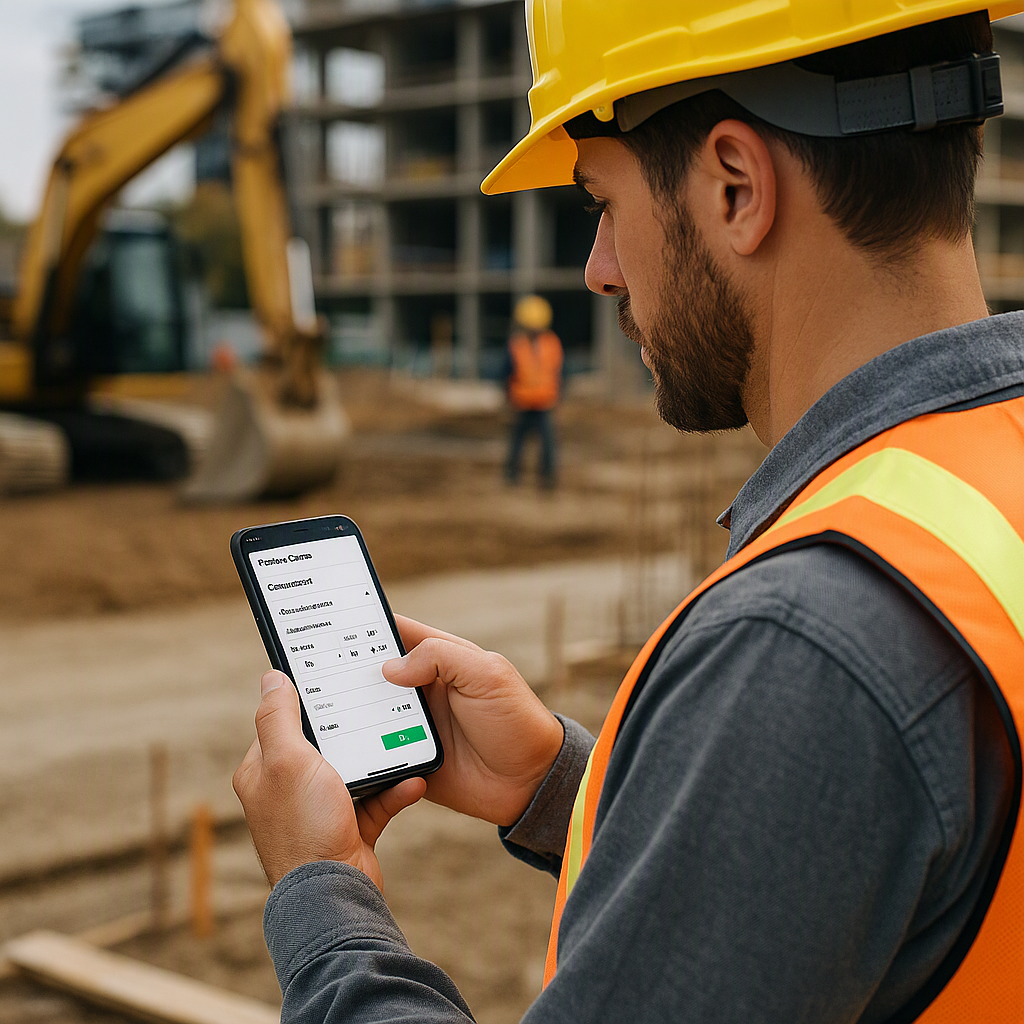
Field Teams: Where Deals Go to Die Without Mobile ERP
Picture this: your sales rep visits a job site, chats with the client, and gathers all the details for a potential project. But then what? They scribble notes on paper or snap a few photos, only to spend hours later re-entering everything into your ERP back at the office. By then, the prospect has gone cold. The worst part? We've seen this happen far too often.
Here’s the reality: field teams without mobile ERP tools are forced to rely on manual processes that slow them down. That’s where most deals get lost — in the lag between capturing site data and actually acting on it. Exploding Topics estimates that over 328.77 million terabytes of data are created daily, yet businesses routinely fail to leverage even a fraction of it when it matters most. Contractors are no exception.
The Hidden Costs of Paper and Photos
Let’s talk numbers. According to JobNext, quoting delays cost contractors up to 20% in lost opportunities annually. Why? Because manual data entry introduces errors, wastes time, and slows responses. If you’re still relying on paper forms or WhatsApp photos, your pipeline isn’t just inefficient—it’s broken.
One obvious problem is accuracy. Imagine your supervisor snaps photos of materials at the site but forgets to note quantities or measurements. By the time they upload those files to the ERP, critical context is missing. What happens next? You either chase the client for clarification or guess—and neither option inspires confidence.
Awareness Begins With Real-Time Tools
The solution isn’t rocket science. Awareness is about giving your team the tools to act in real-time. That’s exactly why we built BidNext. It’s a mobile app designed for contractors who can’t afford to let field data sit idle. With BidNext, your team can:
- Capture surveys on-site: Scope, materials, manpower, QHSE compliance—everything goes straight into the app.
- Attach documents and photos instantly: No more juggling WhatsApp or separate apps.
- Build BOQs in the field: Quantities, rates, classifications—done while the scope is fresh.
This isn’t just about convenience; it’s about speed. With BidNext syncing directly to JobNext ERP, quotes can be generated in hours—not days. That’s how you keep prospects warm.
The Obvious Objection: What About Connectivity?
You might be thinking, “What happens if the site has no internet?” Fair point. That’s why BidNext uses offline-ready architecture. Any data entered offline syncs automatically when connectivity is restored. You won’t miss a beat.
Why It Matters Now
Here’s the harsh truth: customers aren’t waiting for your quotes. The longer you take, the likelier it is they’ll move on. And as HubSpot highlights, speed matters more than ever in competitive markets. If you’re not responding fast, someone else will.
With BidNext, your team gains the awareness they need to act decisively—whether they’re on-site or on the road. No excuses. Just results.
Final Thoughts
We built BidNext because we’ve seen the damage slow quoting does to contractors. If your field teams aren’t equipped with mobile access to your ERP, you’re bleeding opportunities. And that’s just the tip of the iceberg.
Want to stop losing deals? Start by giving your team the tools they need to stay connected.
Recommended Read: Why Contractors Lose Margins Without Cloud ERP (And How to Fix It)
If you’re wondering how ERP integration can fix profit leaks, this article breaks it down step by step.
Ready to see BidNext in action?
Companion mobile app to JobNext giving contractors the ability to bid for jobs on the go.
Get Started Free →Learn more at JobNext.ai - Construction ERP