Builders Are Moving Beyond Data Centers — Here's What Changed My Mind
I’ll admit it: I used to think data centers were the future of construction. Every major builder seemed to have a massive data center project on their books, and reports from McKinsey and Exploding Topics showed exponential growth in data creation. It felt like the demand for these facilities would never slow down. Contractors were gearing up for this boom, chasing tech clients and pouring resources into specialized teams.
But here’s the thing: I was wrong. Dead wrong. While data centers are still important, they’re no longer the only game in town. Builders are diversifying, and contractors who focus solely on these projects risk missing out on bigger opportunities.
What Changed My Perspective?
It started with a conversation I had in early 2023 with a facilities management director who works with schools and public infrastructure. He mentioned that his company had shifted its focus from chasing data center contracts to bidding on education and healthcare projects instead. “The margins are better, and we’re not fighting over the same few clients,” he said.
Then came the numbers. According to the Financial Times, the healthcare construction market in India grew by 18% last year — outpacing even the tech sector. Similarly, a report from Reuters highlighted government spending increases in public works projects like schools, airports, and hospitals. It became clear that while data centers were booming, the real growth was happening elsewhere.
To break it down further:
- Healthcare: With aging populations in developed nations and rising healthcare demand in emerging markets, governments and private companies are investing heavily in hospitals, clinics, and specialized healthcare facilities. These investments are often tied to long-term demographic trends, such as increasing life expectancy and higher rates of chronic diseases.
- Education: Population growth and the push for education access have led to higher spending on schools and universities, particularly in rapidly urbanizing regions. For example, governments are prioritizing STEM education facilities, which require specific design considerations like lab spaces and secure infrastructure.
- Public Infrastructure: Transportation hubs, community centers, and public works projects are seeing a global resurgence as governments prioritize economic recovery, sustainability goals, and urban modernization. Infrastructure spending is often less volatile than tech-driven sectors, making it a safer bet for contractors.
These sectors offer not just growth but also diversification opportunities for contractors. By focusing too intently on data centers, I had failed to see this larger picture.
Why Did I Cling to the Old Belief?
Honestly, it made sense at the time. Data centers checked all the boxes for a “future-proof” investment: high demand, cutting-edge technology, and repeat work. Contractors poured resources into specialization — cooling systems, redundant power grids, modular construction. It felt safe.
But this safety was an illusion. Here’s why:
-
Market Saturation: The exponential growth in data creation led to a gold rush mentality. Everyone wanted a piece of the data center pie, and the resulting competition drove down profit margins. For many contractors, the race to specialize became a financial drain.
-
High Barriers to Entry: As data centers became more complex, specialized knowledge in areas like cooling systems, fire suppression, and cybersecurity infrastructure became essential. Smaller firms struggled to keep up, often losing bids to larger contractors with established expertise and resources.
-
Client Concentration: Data center projects are mostly commissioned by a few large tech giants — think AWS, Google, and Microsoft. This limited client pool meant contractors were often locked into bidding wars for the same projects, reducing the likelihood of long-term financial success.
Meanwhile, smaller, less glamorous projects were quietly becoming goldmines for those willing to pivot. Consider this comparison:
| Factor | Data Centers | Healthcare/Education |
|---|---|---|
| Margins | Thin | Moderate to high |
| Competition | High | Moderate |
| Technical Specialization | Very high | Moderate |
| Client Pool | Small (tech giants) | Large (governments, institutions) |
| Growth Rate | Steady | Rapid in emerging markets |
What I Do Differently Now
We’ve started advising contractors to diversify their pre-tender pipeline. Healthcare and education projects are a good example. Here’s how contractors can position themselves to win these types of tenders:
1. Audit Your Pre-Tender Process
Many contractors lose tenders not because they lack capability but because their workflows are inefficient. For example, preparing a Bill of Quantities (BOQ) can take several days, during which a competitor might already have submitted a winning bid. Streamlining this process is critical.
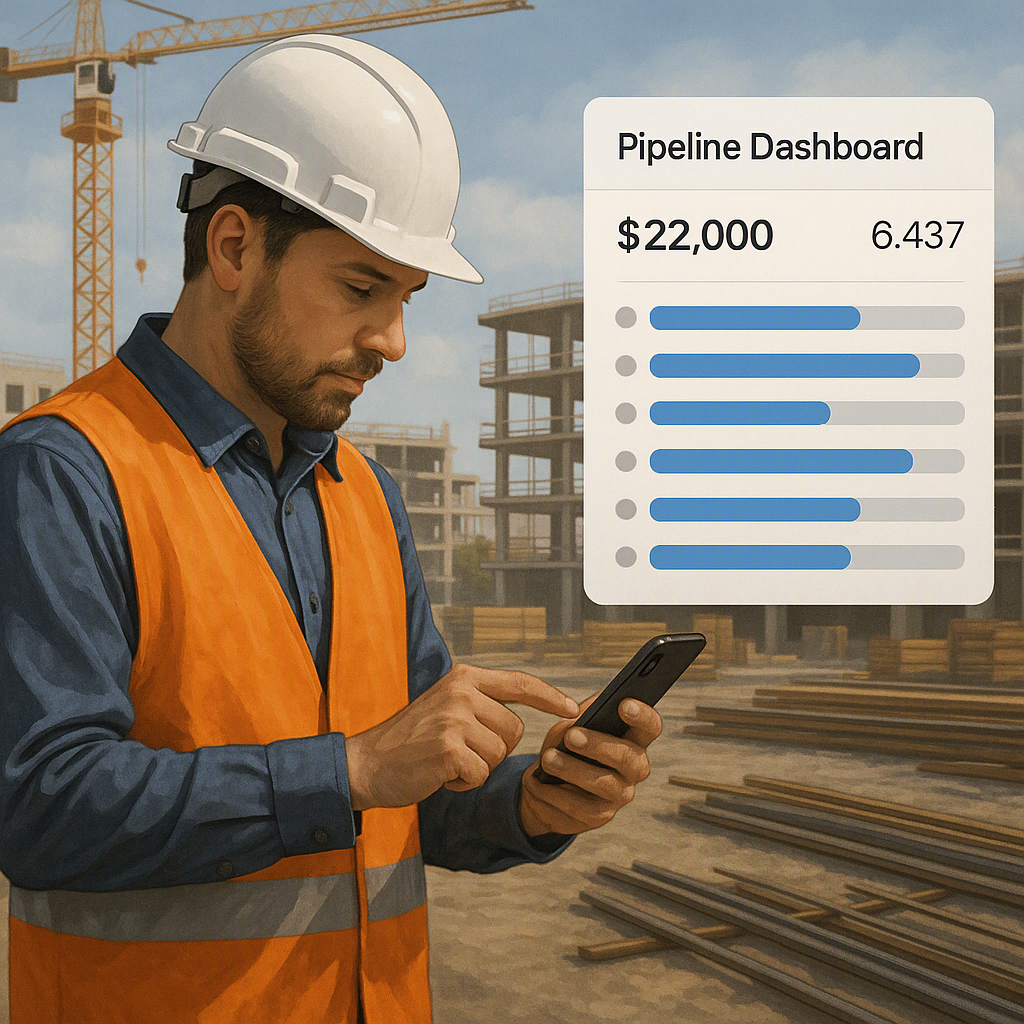
Actionable Step: Use tools like BidNext to enable field teams to build BOQs on-site. By capturing accurate data in real-time, you can reduce errors and speed up quoting significantly. A faster quoting process also allows you to respond to last-minute changes in project requirements.
2. Build Expertise in Niche Requirements
Healthcare and education projects come with unique demands, such as compliance with strict safety and accessibility standards, infection control protocols, and energy-efficient designs. Contractors who invest in understanding these requirements gain a competitive edge.
Actionable Step: Train your team on sector-specific codes and regulations, such as ADA compliance for schools or infection control for hospitals. Additionally, invest in certifications related to LEED (Leadership in Energy and Environmental Design) for energy-efficient projects.
3. Target Underserved Markets
Rather than competing in saturated urban areas, consider targeting smaller cities or rural regions where demand is growing but competition remains low. Underserved markets often offer higher margins and longer-term projects.
Actionable Step: Use market research tools like Statista or government data sources to identify regions with rising infrastructure budgets. Network with local government decision-makers to gain insights into upcoming projects.
4. Leverage Technology for Competitive Advantage
Technology can play a pivotal role in helping contractors manage complex projects efficiently. From 3D modeling to AI-driven project management software, the right tools can save time and reduce costs.
Actionable Step: Invest in Building Information Modeling (BIM) software to visualize project designs and address issues before construction begins. Tools like Procore and PlanGrid can streamline communication and collaboration.
What Being Wrong Cost Me
The biggest cost was time. I spent years advising contractors to double down on data centers, ignoring broader market trends. Some clients lost bids because they weren’t equipped to pivot quickly to public works or healthcare tenders. Others wasted resources chasing projects where they couldn’t compete effectively.
And I’m still not sure about the long-term impact. Data centers aren’t going away, but they’re becoming less lucrative for mid-size contractors. The question is: how do you balance specialization with diversification? It’s a tough call, and I don’t have all the answers yet.
Call to Action
If you’re struggling to pivot to new types of projects, BidNext can help. From real-time BOQ building to fast quoting, it’s designed for contractors who want to act quickly and stay competitive. Get started free →
Learn more at JobNext.ai - Construction ERP