Awareness Isn’t Just for Marketing — It’s a Field Problem Too
Let’s be real. If your field sales team can’t give you up-to-date information on prospects, quotes, or site surveys while they’re out in the field, you’re leaving money on the table. Why? Because prospects go cold fast. A customer who doesn’t get a quick follow-up is a customer who moves on to the next contractor. And if your team is relying on WhatsApp, Excel, and paper notes, good luck keeping track of who said what and when.
The Problem: Data Silos and Delays
Here’s a scenario we see all the time: A sales rep visits a site, jots down scope details on paper, maybe snaps a few photos on their phone. They’re in a rush, so they don’t email it back to the office until the next day. Back at HQ, someone has to manually enter all that data into your ERP system. By the time the quote is ready, three to five days have passed.
The result? You lose to competitors who can turn around quotes in hours, not days. Worse, because your ERP isn’t updated in real-time, management has no visibility into the pipeline. What’s hot? What’s stalled? No one knows until the weekly report. By then, it’s too late to fix the problem.
The Solution: Real-Time Prospect Management
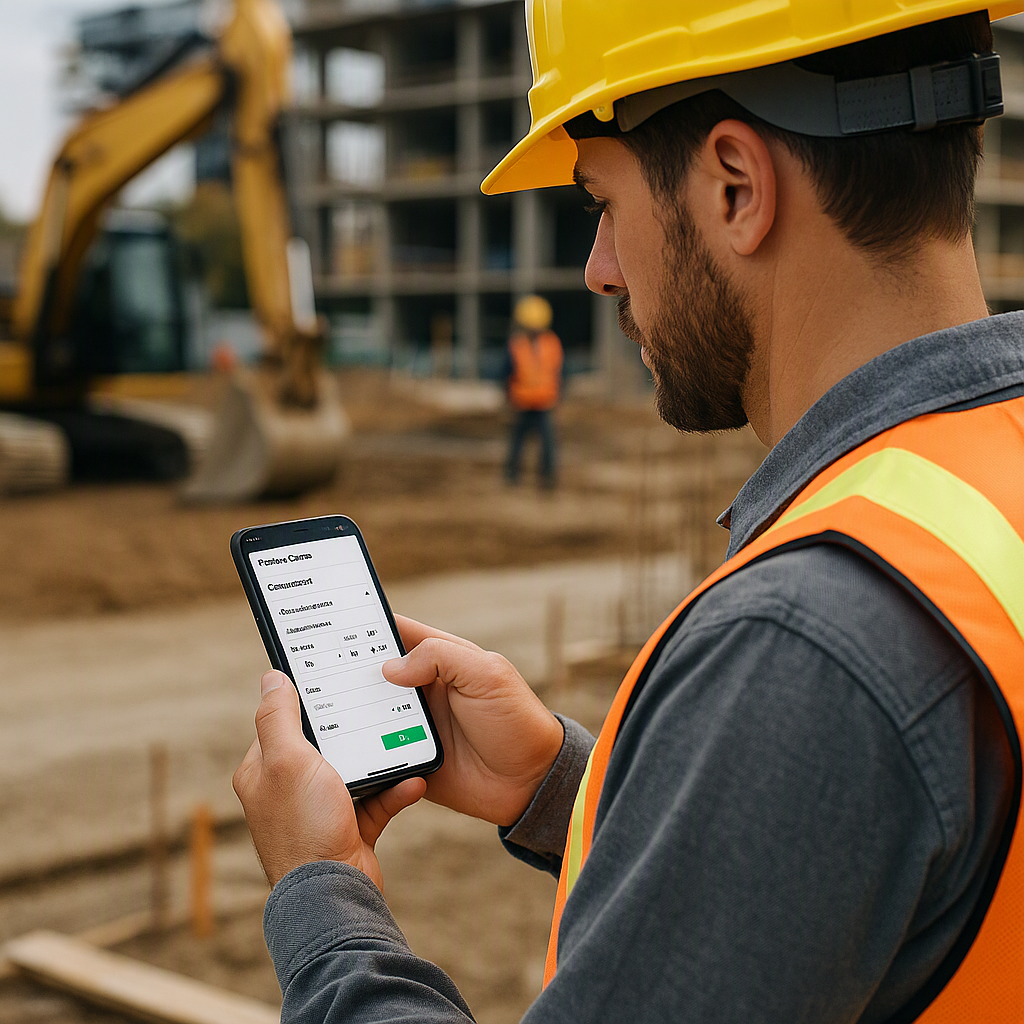
This is where a mobile app like BidNext makes a huge difference. With BidNext, your field team can update prospect details, log site surveys, and even build BOQs (Bill of Quantities) directly from their phone. Everything syncs back to the JobNext ERP in real time. No more paper, no more WhatsApp, no more gaps.
Here’s what that looks like in practice:
- Immediate Follow-Ups: When a lead shows interest, your team can log the prospect on-site, attach photos and documents, and schedule a follow-up — all before they leave the site.
- Accurate Data Entry: Instead of scribbling notes, they can enter scope details, materials, and manpower needs directly into the app. It’s more accurate because they’re doing it while the information is fresh.
- Faster Quotes: With BOQ data already in JobNext, generating a quote is just a few taps away. What used to take days now takes hours.
Why Real-Time Matters
You might be thinking, “Can’t we just train the team to send updates more regularly?” Sure, you could try. But let’s face it: people forget. They get busy. And manual processes are slow and error-prone. A mobile app like BidNext removes the friction. It makes data entry so seamless that reps are more likely to do it — not because you forced them, but because it’s easier than the old way.
And the benefits aren’t just for the field team. Management gets real-time visibility into what’s happening on the ground. No more waiting for weekly reports. You can spot issues early, prioritize hot leads, and make smarter decisions.
Backed by Data
A recent JobNext blog post highlighted how contractors lose up to 20% of their margins due to poor cost tracking. That’s the hidden cost of data silos and delays. When you can’t see what’s happening in real time, you’re not just losing leads — you’re bleeding money.
Final Thoughts
If your field team is still relying on outdated processes, it’s time to rethink your approach. A mobile app isn’t just a nice-to-have; it’s a necessity. With tools like BidNext, you can close the gap between the field and the office, improve your quoting speed, and win more projects. Isn’t it time you stopped losing out?
Start making your field team’s work count. Try BidNext today.
Ready to see BidNext in action?
Companion mobile app to JobNext giving contractors the ability to bid for jobs on the go.
Get Started Free →Learn more at JobNext.ai - Construction ERP