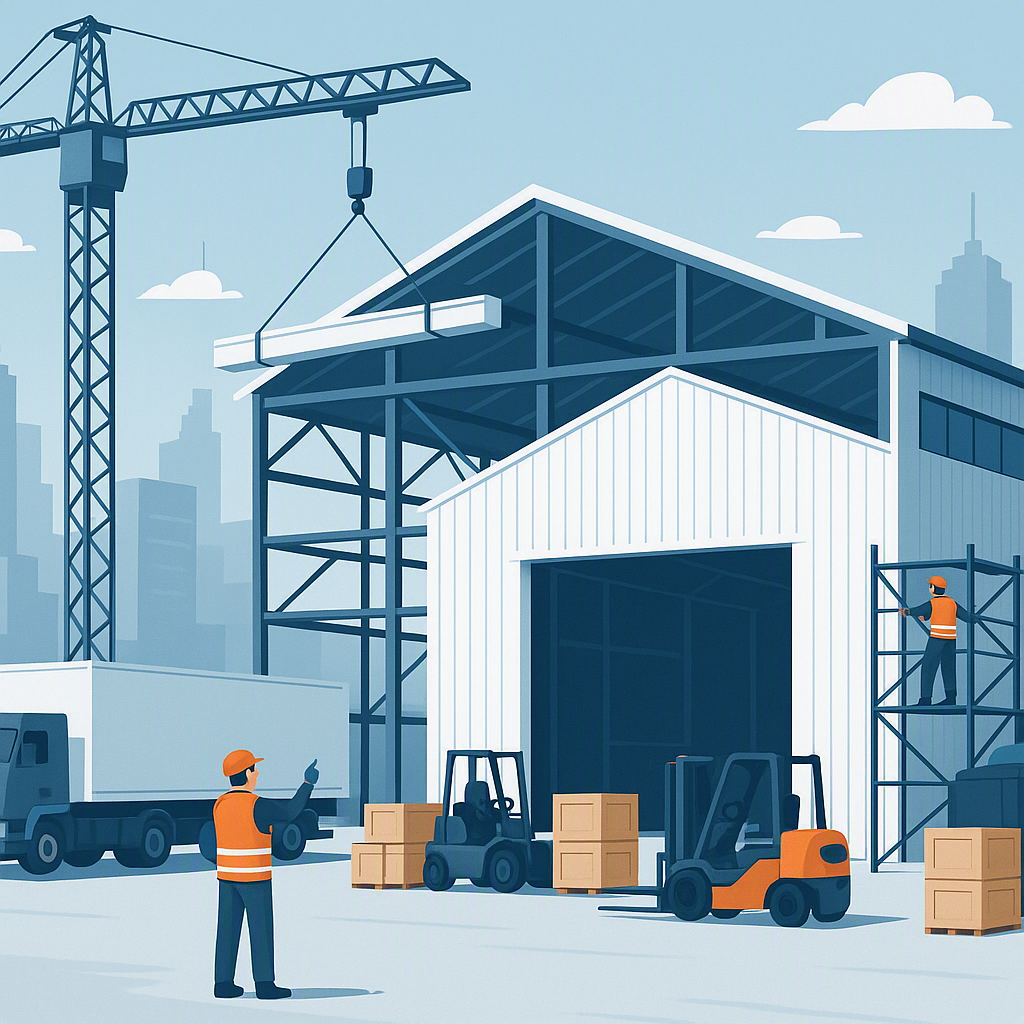
Amazon’s New Supply Chain Facilities: A Game-Changer for Construction
Amazon is making significant moves by adding major supply chain facilities in New York and Texas. For contractors, this isn’t just another news headline—it’s a massive shift in the regional construction landscape. But what does it really mean for you, and how can you strategically position yourself to take advantage of this opportunity? Let’s break it down.
Why This Matters
Amazon’s expansion is not limited to traditional warehouses. These facilities include logistics hubs, distribution centers, and high-tech automation sites. These projects demand a diverse skill set: general contracting, mechanical, electrical, and plumbing (MEP) installations, interior fit-outs, and even specialized IT infrastructure for automation systems. They are also characterized by aggressive project timelines and stringent requirements.
For contractors in New York and Texas, this creates an unprecedented opportunity to bid on high-value projects. However, it also heightens the risks. The bidding process for these facilities will be highly competitive, and delays in quoting, inaccuracies in Bills of Quantities (BOQs), or poor follow-up processes could cost you the job—without you even realizing it.
The Problem: Slow and Outdated Processes
Here’s the harsh reality: many contractors are ill-equipped to handle the speed and precision demanded by projects of this scale. It’s common for field teams to rely on disjointed systems like paper notes, WhatsApp messages, and Excel spreadsheets to manage site data. While these methods might work for smaller projects, they fall apart under the pressure of Amazon’s timelines.
This lack of efficiency leads to piled-up enquiries, error-filled BOQs, and quotes that take far too long to produce. In an environment where every day counts, this kind of inefficiency could be the deciding factor between winning or losing a bid.
The Solution: Real-Time BOQ Building
To succeed in this new landscape, you need tools that prioritize speed and accuracy. Platforms like BidNext offer features specifically designed for modern contractors:
- Capture Scope On-Site: Input units of measurement (UOMs), quantities, rates, and classifications directly from the field. This ensures data is recorded while the details are fresh and accurate.
- Instant ERP Syncing: Data flows seamlessly into JobNext ERP systems, eliminating the need for duplicate entries and minimizing errors.
- Generate Fast, Accurate Quotes: Submit proposals for approval and download them in PDF format—all from your mobile device.
Using tools like BidNext doesn’t just streamline your workflow—it gives you a competitive edge. Amazon’s projects demand quick turnaround times. If you can produce a polished proposal within hours of a site visit while competitors are still typing up notes, you’ve already outpaced them.
The Competitive Landscape: Regional Bidding Wars
Take Texas as an example. Already a hotspot for logistics and warehousing projects due to its central location, the addition of Amazon’s facilities will drive demand for contractors sky-high. However, it will also attract top-tier competitors from across the region.
Speed and accuracy will be critical. According to a 2023 McKinsey report, errors in BOQs are one of the top reasons contractors lose bids. If your process involves manually entering site data after leaving the field, you’re increasing your risk of errors—and jeopardizing your chances of success. Eliminating manual processes with real-time tools like BidNext could be the key to staying ahead.
Common Mistakes Contractors Make
- Underestimating Timelines: Amazon’s projects often operate on fast-track schedules. A quoting cycle that takes 3-5 days might disqualify you from the start.
- Ignoring Accuracy: Errors in BOQs can lead to cost overruns, potential legal disputes, or outright rejection during the bidding phase.
- Poor Communication: If your field team cannot sync data to your ERP system in real time, you’re operating blind—and wasting valuable time correcting miscommunications.
Practical Steps to Prepare
- Invest in Mobile Tools: Platforms like BidNext allow your team to manage prospects, record site surveys, and build BOQs directly from the field.
- Train Your Team: Speed and accuracy don’t happen by default—they require training. Ensure your field teams are proficient in using modern tools and workflows.
- Understand Amazon’s Needs: Research past Amazon projects to identify typical facility requirements and tailor your proposals accordingly. For example, automation systems often require specialized IT infrastructure.
- Optimize Follow-Up Processes: Timely follow-ups can make or break your chances of landing a bid. Use CRM features to track leads and set automated reminders.
FAQ
Q: What types of contractors will benefit most from Amazon’s expansion?
A: Contractors specializing in general construction, MEP installations, interior fit-outs, and IT infrastructure will see the greatest opportunities. Amazon’s high-tech facilities demand expertise in automation systems and logistics.
Q: Can smaller contractors compete for these jobs?
A: Absolutely. Smaller contractors can leverage technology like BidNext to deliver faster quotes and maintain accuracy, leveling the playing field against larger competitors.
Q: How do I stay informed about new Amazon projects?
A: Keep an eye on regional news outlets, industry publications, and logistics updates. Websites like Supply Chain Dive often cover major developments.
Q: How can I ensure my BOQs are accurate?
A: Use real-time tools that sync directly with ERP systems, reducing manual errors. Double-check quantities, rates, and classifications before submission.
Q: What’s the biggest risk of outdated processes?
A: The biggest risk is losing bids due to slow quoting or errors in your BOQs. These inefficiencies can cost you valuable opportunities in competitive markets.
Decision Framework: Should You Adopt Real-Time BOQ Tools?
| Factor | Traditional Process | Real-Time Tools (e.g., BidNext) |
|---|---|---|
| Speed | Quotes take days to generate | Quotes generated in hours |
| Accuracy | High risk of manual errors | Automated syncing ensures precision |
| Cost Efficiency | Time-intensive processes | Saves time via automation |
| Competitiveness | Slower than competitors | Positions you ahead of the curve |
| Scalability | Limited by manual workflows | Easily handles large-scale projects |
The Bottom Line
Amazon’s expansion into New York and Texas is both an opportunity and a challenge. Contractors who embrace faster quoting methods and prioritize precision in their BOQs will thrive in this competitive landscape. On the other hand, those who stick to outdated processes risk being left behind.
If you’re struggling with slow quoting or manual BOQ errors, tools like BidNext can help you modernize your workflow and stay competitive. Don’t wait—adapt now to meet the demands of this new era in construction. Get started free →
Learn more at JobNext.ai - Construction ERP