The Misunderstood Phase of Pre-Construction
For a long time, I viewed pre-construction as a tedious and temporary phase. It seemed like a bureaucratic hurdle before the 'real' work began on-site. This perception was upended when I encountered a FMI Corporation report that emphasized how pre-construction services could be the key differentiator for general contractors. The report underscored the importance of these services in establishing a superior operational framework, akin to discovering a roadmap to efficiency and success.
Why the Old Beliefs Persist
The construction industry has a reputation for being slow to adopt new technology and practices. Many contractors cling to outdated systems, partly because they are familiar and seem to work 'well enough.' However, this resistance often leads to inefficiencies that could be remedied through modernization. To address these inefficiencies, it's crucial to understand the limitations of traditional methods and how they can hinder project timelines and budgets.
Embracing Mobile Technology
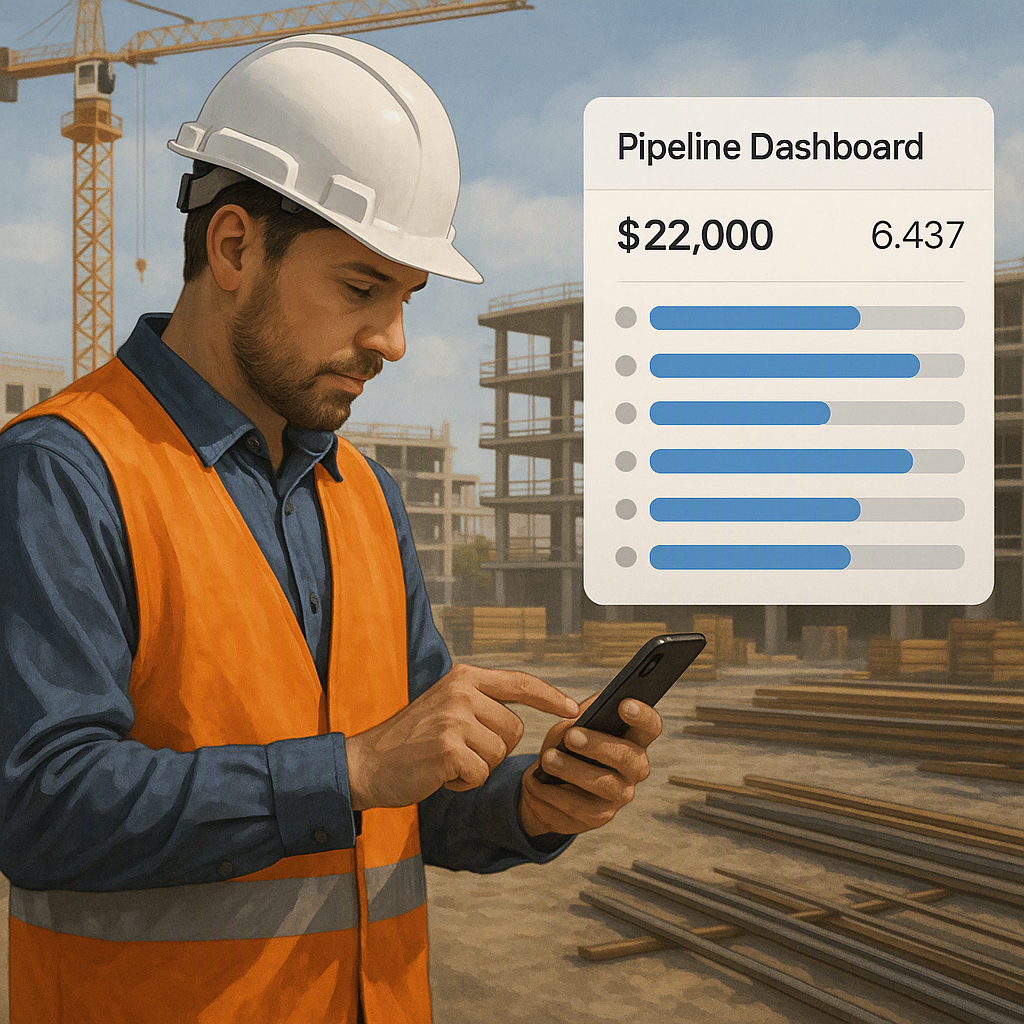
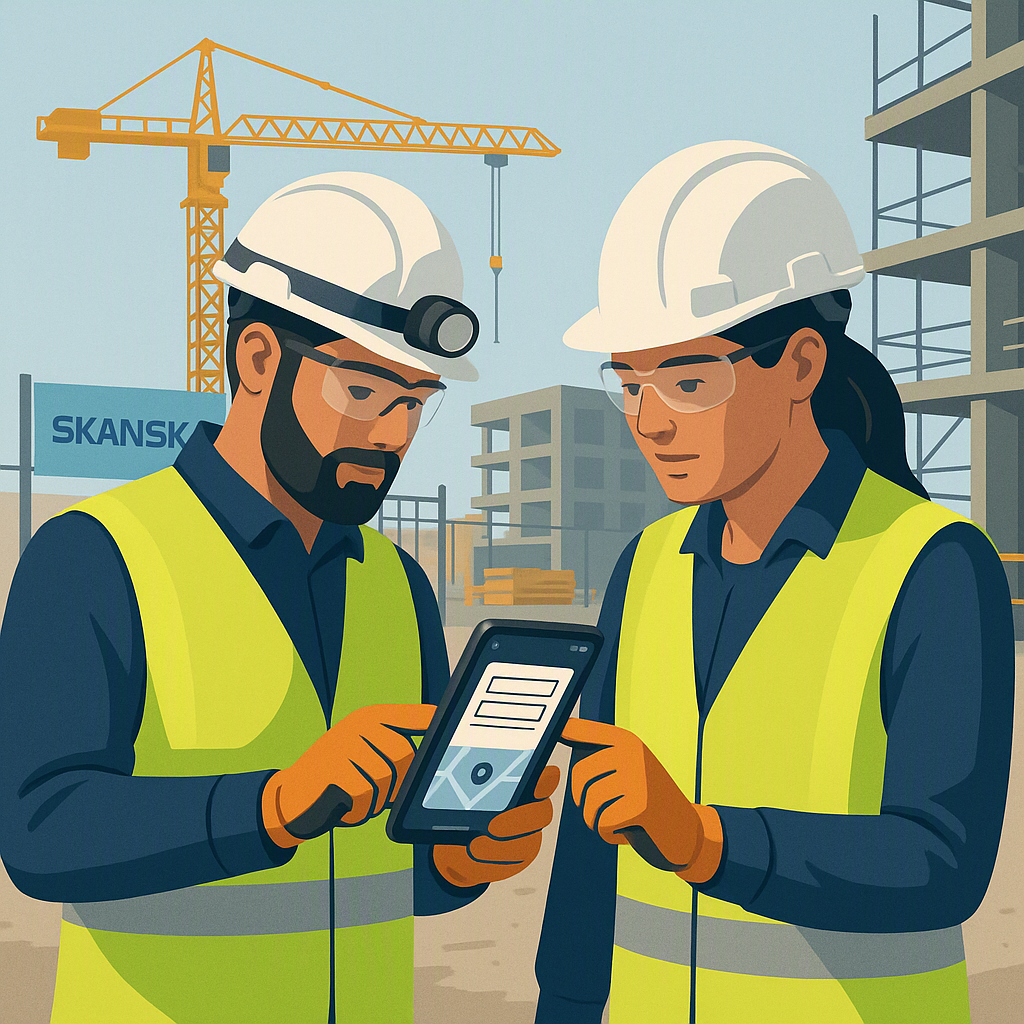
One major shift in my approach is the adoption of mobile technology. Tools that enable contractors to manage prospects and generate quotes from the field are transformative. Real-time data entry into integrated systems eliminates the need for redundant office work. This change isn't merely convenient; it's a fundamental shift that enhances productivity and reduces errors.
| Traditional Approach | Modern Approach with Mobile Technology |
|---|---|
| Manual data entry at office | Real-time data entry on-site |
| Delayed updates | Instant synchronization |
| Higher risk of errors | Reduced errors through immediate capture |
Actionable Steps:
- Evaluate Tools: Identify mobile tools that suit your specific needs. Look for features like real-time data capture, ease of use, and integration with existing systems.
- Pilot Programs: Start with a small pilot to test the effectiveness of mobile tools in your operations. Gather feedback from users to make informed decisions on a broader rollout.
The Power of Real-Time Data
Real-time data is crucial for minimizing errors and making timely, informed decisions. For example, creating a Bill of Quantities (BOQ) on-site with precise data ensures comprehensive oversight. A report from BidNext highlights that incomplete BOQs and missing approvals often lead to delays. By leveraging real-time updates, these issues are significantly reduced.
Actionable Steps:
- Implement Real-Time Data Systems: Use platforms that offer real-time data collection to keep all stakeholders updated. This transparency can significantly reduce miscommunications and errors.
Cost Control and Risk Management
Effective pre-construction services enhance cost control and risk management. Early detection of potential issues and accurate budget forecasting are essential. A Wells and West article points out that addressing these areas proactively can prevent expensive surprises later in the project.
Actionable Steps:
- Risk Assessment Framework: Develop a risk assessment framework to identify potential risks early. Regularly update this framework to adapt to new challenges.
- Budget Tracking Systems: Implement systems that allow for continuous budget tracking and adjustments based on real-time data.
Overcoming Field Challenges
Despite the advancements, challenges for field teams persist. Connectivity issues can disrupt workflows, but some tools offer offline capabilities, allowing work to continue seamlessly. Data syncs automatically once a connection is re-established, ensuring that no information is lost.
Actionable Steps:
- Choose Tools with Offline Capabilities: Ensure that the tools you select offer offline capabilities to maintain productivity in areas with poor connectivity.
- Regular Updates and Maintenance: Keep all mobile tools updated to the latest versions to avoid bugs and improve performance.
Improving BOQ Accuracy On-Site
On-site BOQ accuracy is a persistent challenge. Real-time data entry not only saves time but also enhances the reliability and trust in the information being used. This reliability is critical for making informed decisions and maintaining project momentum.
Actionable Steps:
- Training on Accurate Data Entry: Provide training to ensure that all team members understand the importance of accurate data entry and how to achieve it using new tools.
The Cost of Misunderstanding Pre-Construction
Realizing the value of pre-construction services has been a journey. The cost of my initial misunderstanding likely included missed opportunities to streamline operations and reduce errors earlier. Although integrating new technologies can be daunting, the long-term benefits make the learning curve worthwhile.
Steps to Enhance Pre-Construction Efficiency
If you're struggling with outdated processes, consider these steps to improve pre-construction efficiency:
- Adopt Mobile Solutions: Start with tools that allow on-site data entry and real-time updates to minimize delays.
- Invest in Training: Ensure your team is well-versed in using new technologies to maximize their effectiveness.
- Leverage Real-Time Data: Use real-time data for decision-making and reducing errors in BOQs.
- Focus on Risk Management: Implement systems that identify potential risks early in the pre-construction phase.
- Utilize Offline Capabilities: Choose tools that offer offline functionality to maintain productivity in low-signal areas.
In conclusion, embracing technology and innovative practices in pre-construction can transform potential roadblocks into pathways for success. While challenges remain, the benefits of a modernized approach are undeniable, paving the way for more efficient and successful construction projects.
Learn more at JobNext.ai - Construction ERP