How AI Helps Contractors Compare Drawing Packages Efficiently
Ever been stuck in the middle of a project, only to find out the drawing package you’ve been working from is outdated? Or worse, that a major oversight went unnoticed because no one had the time (or tools) to cross-check it? Welcome to the reality of construction, where even a tiny error can lead to rework, cost overruns, and delayed timelines.
Many contractors face this all-too-common headache. One solution gaining traction is leveraging AI to automate the process of comparing drawing packages. This approach can help streamline workflows and reduce the risk of errors.
The Problem: Drawing Discrepancies Waste Time and Money
In the world of construction, design changes happen frequently. A new revision comes in, and suddenly, your team is scrambling to figure out what's changed in the drawings. Manually comparing these drawing packages is tedious and prone to human error. Missing a single revision can mean installing the wrong material, misallocating resources, or even breaching compliance.
When juggling multiple projects and tight schedules, it’s challenging to dedicate the time needed for thorough manual reviews. This is where AI tools come into play.
The Solution: AI-Powered Drawing Comparison
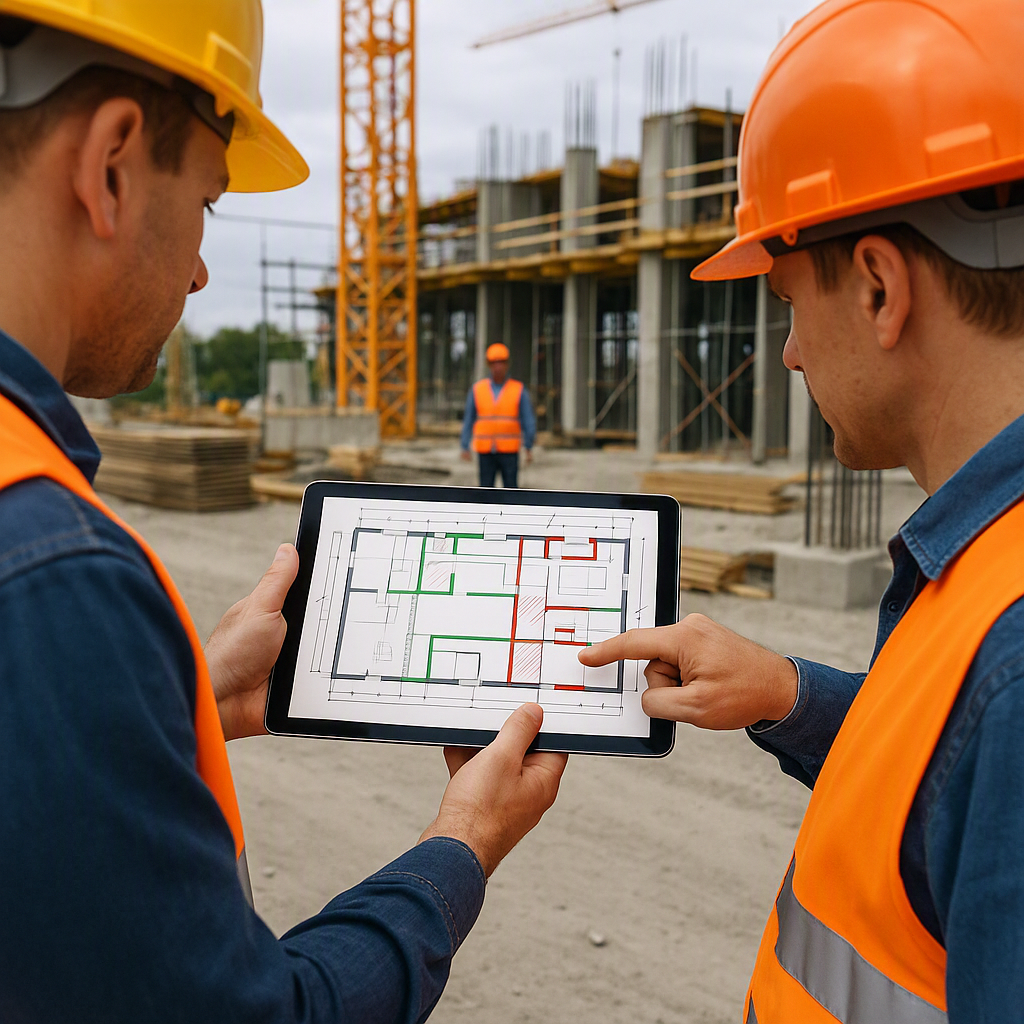
AI tools can automate the process of comparing drawing packages, making it faster and more reliable. These tools scan through two or more drawing sets and identify discrepancies. Think of it as a superpowered version of "spot the difference"—but instead of a fun puzzle, it’s helping prevent costly mistakes.
Here’s how it works:
- Upload Drawings: The AI tool allows you to upload the old and new versions of your drawing packages.
- Automated Analysis: The system highlights changes—no matter how subtle—using color coding or overlays.
- Actionable Insights: Some tools can flag areas of potential conflict, like mismatched dimensions or missing annotations.
Integrating such workflows into existing systems can help ensure that every approved revision is synced automatically, reducing the chance of someone working off outdated files.
Where BidNext Fits In
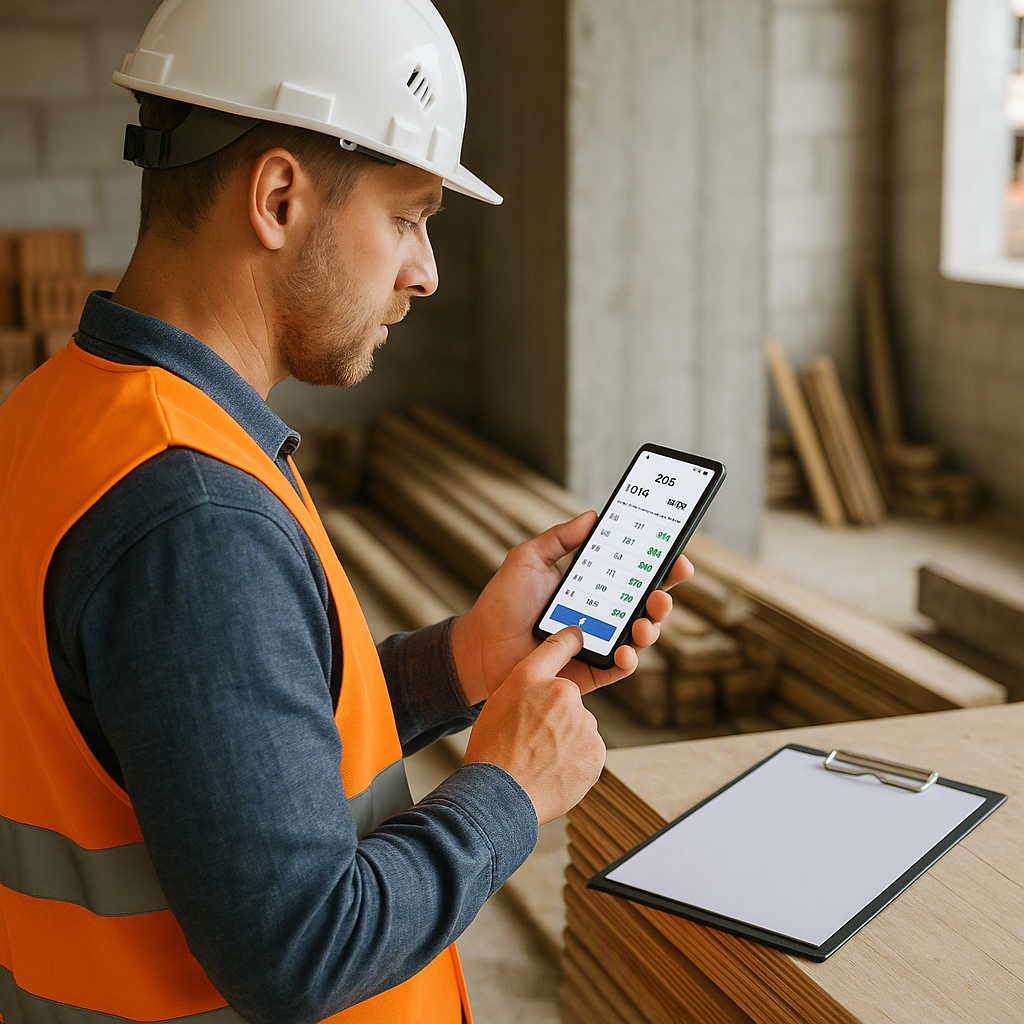
If you're looking for tools to streamline related processes, platforms like BidNext offer solutions for real-time BOQ creation and on-site scope documentation. For example, you can update the Bill of Quantities (BOQ) in real time, flagging affected scopes and attaching photos or notes directly to line items. This ensures that your team has all the necessary information to address discrepancies efficiently.
Better tools can help contractors improve accuracy and responsiveness, which are critical in competitive tendering environments.
Why ‘Trust but Verify’ Matters
The phrase “trust but verify” isn’t just a catchy mantra; it’s essential in construction. Trust your team and processes—but always double-check. AI tools act as an extra set of eyes, ones that never get tired or overlook details.
This approach not only reduces errors but also builds confidence with clients. When you can say, “Yes, we’ve reviewed every version of this drawing and here’s what’s changed,” you demonstrate reliability and professionalism.
Common Misconceptions About AI in Construction
You might be thinking, “AI? Sounds expensive and overkill for my midsize contracting business.” Let’s clear that up:
- AI Isn’t Just for Big Players: Many AI tools are now offered as SaaS (Software as a Service). You pay for what you use, avoiding massive upfront costs.
- It’s Not a Job Killer: AI doesn’t replace human judgment. It complements it by handling repetitive, time-consuming tasks so your team can focus on higher-value work.
- You Don’t Need a Tech Degree: Modern AI tools are designed for real-world contractors. If you can use a smartphone, you can use these tools.
FAQs
1. How accurate are AI-powered drawing comparison tools?
AI tools are designed to catch changes that might take a human hours to spot. However, human oversight remains crucial for interpreting results correctly.
2. Do I need to replace my current systems to use these tools?
Not necessarily. Many AI solutions integrate with existing software like ERP systems, so you don’t have to start from scratch.
3. Can AI help with other pre-construction tasks?
Absolutely. Tools like BidNext simplify BOQ creation, site surveys, and quote generation, making your entire pre-construction process more seamless.
Final Thoughts
AI isn’t some futuristic tech that’s out of reach for contractors. It’s here, it’s practical, and it’s solving real problems—right now. Leveraging AI to compare drawing packages can help contractors streamline workflows, reduce errors, and improve project outcomes. If you’re tired of wasting time on manual reviews or inefficiencies, it’s time to rethink your workflows.
Want to explore tools that can enhance your processes? BidNext offers solutions to help contractors work smarter.
Learn more at JobNext.ai - Construction ERP