I Used to Think Construction Wasn’t a Place for Women Leaders
Let me be honest: I used to think construction leadership would always be a man’s world. The industry has long been dominated by men, and the image of steel-toe boots and hard hats doesn’t typically scream “female-friendly.” I figured that the narrow pathways into leadership were simply the nature of the business, and breaking through those barriers would take generations. I was wrong.
The Moment That Changed My Mind
Last year, I attended a panel discussion featuring women in construction leadership. One speaker, a project manager for a major infrastructure company, talked about how she was able to move up because her team started using digital tools that streamlined their operations. She said something that stuck with me: “The tools we use shape the roles we can take on.”
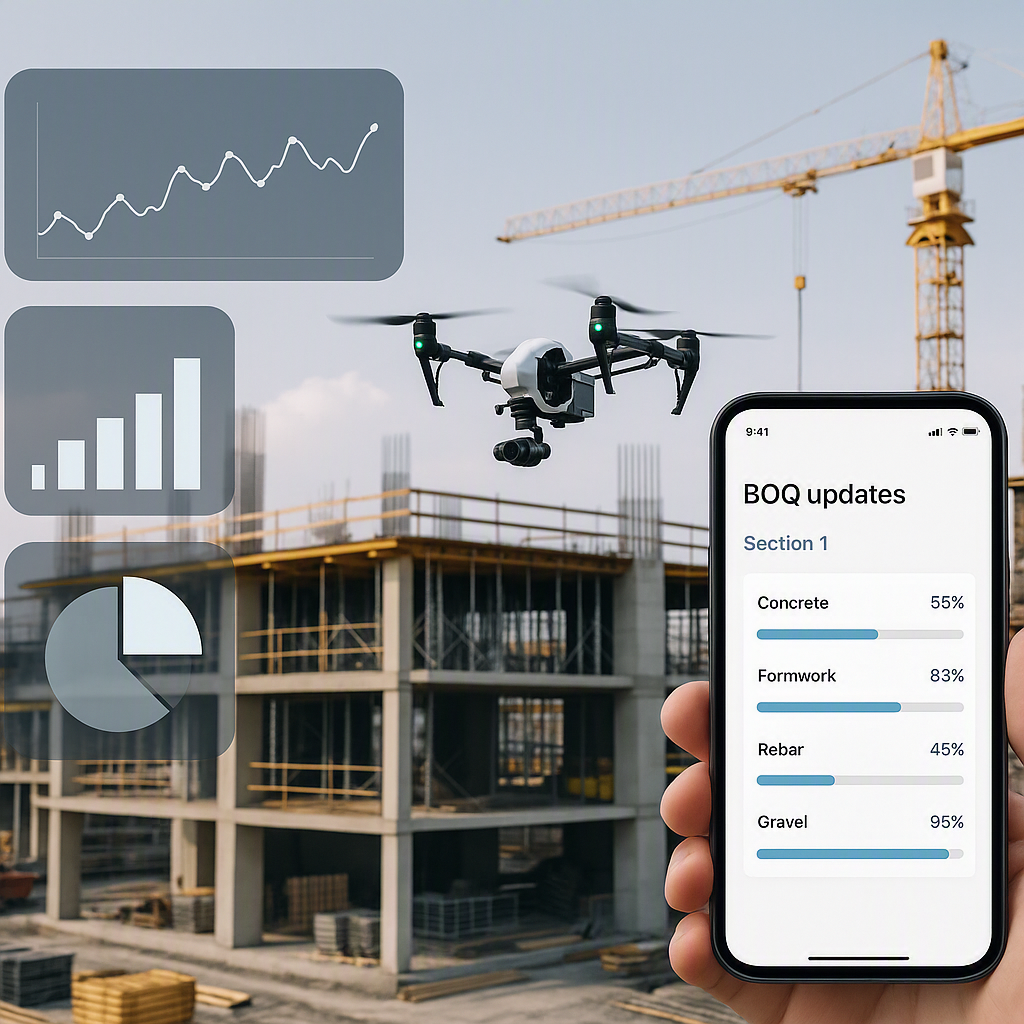
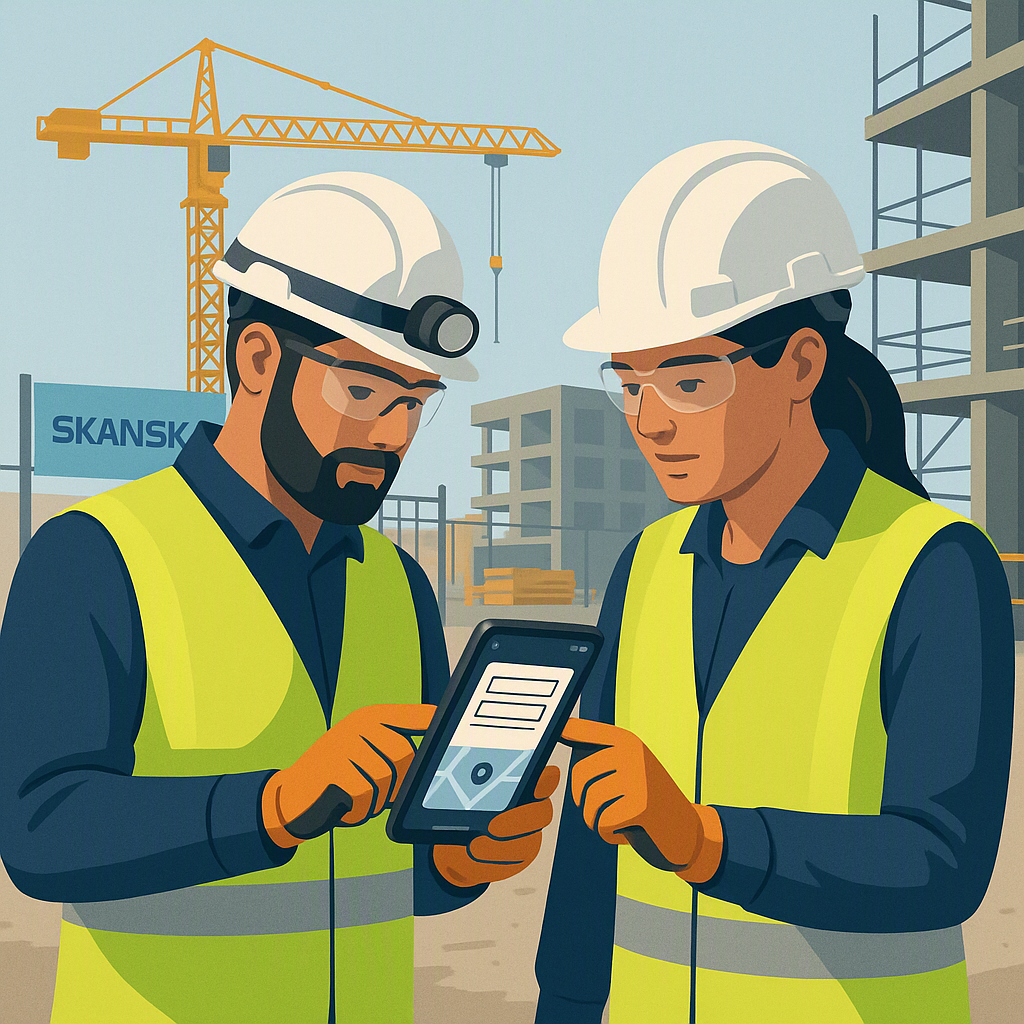
It wasn’t just an offhand comment—it was a revelation. She explained how mobile tools like BidNext allowed her to manage bids, track prospects, and provide real-time updates to her team, all while working on-site or remotely. The tech didn’t just make her job easier; it made her visible. It gave her a seat at the table where decisions were made.
Why My Old Belief Stuck Around for So Long
Looking back, my assumptions were based on what I saw around me. The construction industry, especially in regions like India and the GCC, is known for its deeply entrenched hierarchies. Leadership roles are often reserved for those with decades of experience, and unfortunately, women have historically been underrepresented in the field. According to a 2025 McKinsey report, women make up just 10% of the construction workforce globally, and an even smaller percentage in leadership roles.
The "Invisible" Barrier: Workplace Presence
Then there’s the culture. For years, leadership in construction has been about who you know and how often you’re seen. If you’re not in the office or on-site, you’re invisible. And that’s where women, especially those balancing family responsibilities, often got left behind.
For instance, in traditional setups, project management often required long hours on-site, frequent in-person check-ins, and impromptu meetings. These working conditions can be particularly challenging for women who may have caregiving responsibilities or need flexible hours. This disparity in visibility has long contributed to the underrepresentation of women in construction leadership roles.
What Changed? Real-Time Tools Are Leveling the Playing Field
Here’s the shift: mobile tools like BidNext are making it possible for anyone—regardless of gender—to stay connected and lead effectively, even from the field. Let’s take one specific example: Prospect Management.
How Prospect Management Used to Work
In the old days, managing leads often meant juggling spreadsheets, WhatsApp messages, and handwritten notes. Not only was this inefficient, but it also created information silos. If you weren’t in the office when updates came through, you missed out.
- Spreadsheets: These were static, requiring manual updates and cross-referencing.
- WhatsApp Messages: Informal communication often led to lost information or miscommunication.
- Handwritten Notes: These were prone to errors, damage, or misplacement.
The Modern Way: Real-Time Prospect Management
Now, tools like BidNext let you manage prospects in real time. You can:
- Add Contacts: Instantly add and update client details from your phone.
- Schedule Follow-ups: Set reminders and deadlines to keep deals on track.
- Attach Documents: Upload and share blueprints, contracts, or other files directly from the app.
- Sync Across Teams: Ensure office and field teams have access to the same data, eliminating silos.
Why does this matter for women in leadership? Because visibility is power. When you’re able to demonstrate your value in real-time—responding to client queries, updating the pipeline, and providing insights—you’re not just part of the conversation; you’re leading it.
What I Do Differently Now
I’ve stopped assuming that leadership in construction has to fit the old mold. Today, I actively encourage women in the field to embrace technology as a tool for empowerment. Here’s what that looks like:
1. Stay Curious
Don’t just accept the status quo. If a process feels outdated or inefficient, question it. Chances are, there’s a digital tool that can help. For instance:
- Bid Management: Look for platforms that integrate with ERP systems to centralize data.
- Communication Tools: Explore options like Slack or Microsoft Teams for better collaboration.
2. Learn the Tools
Whether it’s BidNext or another platform, take the time to understand how these tools work. The more proficient you are, the more indispensable you become. Here’s a starting point:
- Online Tutorials: Many platforms, like BidNext, offer free training resources.
- Workshops and Conferences: Attend industry events to stay updated on emerging technologies.
3. Share Your Wins
One of the biggest barriers for women in leadership is visibility. Use real-time updates and reports to showcase your contributions. For example:
- Submit detailed project summaries during weekly meetings.
- Share dashboards showing key metrics like project timelines and budget adherence.
What Being Wrong Cost Me
Believing that construction leadership was out of reach for women meant I didn’t do enough to challenge the status quo earlier. I didn’t push for better tools or processes that could have opened doors sooner. And I didn’t advocate for the women around me as strongly as I should have.
The Cultural Hurdles
While technology is helping, it’s not a cure-all. Issues like unconscious bias, lack of mentorship opportunities, and deeply rooted workplace cultures still persist. Addressing these requires:
- Unconscious Bias Training: Educate teams to recognize and address biases.
- Mentorship Programs: Encourage senior leaders (both men and women) to mentor emerging female talent.
The Road Ahead: Building a More Inclusive Construction Industry
The path to leadership in construction is changing, and women have a critical role to play in shaping the future of the industry. Tools like BidNext are breaking down barriers by enabling real-time communication, improving efficiency, and making it easier for everyone to contribute meaningfully—no matter where they are.
Actionable Steps for Women in Construction Leadership
- Adopt Technology: Familiarize yourself with tools like BidNext to stay competitive.
- Build a Network: Join associations like NAWIC (National Association of Women in Construction) to connect with peers.
- Advocate for Change: Push for policies that support work-life balance and inclusivity, such as flexible hours or on-site childcare.
Comparison Table: Traditional vs. Modern Leadership Tools
| Feature | Traditional Methods | Modern Tools (e.g., BidNext) |
|---|---|---|
| Data Management | Spreadsheets, Paper Notes | Centralized Digital Platforms |
| Communication | Phone Calls, Emails | Real-Time Messaging |
| Accessibility | Office-Centric | Mobile-First |
| Collaboration | Siloed | Synchronized Teams |
If you're looking to break down barriers in construction leadership, BidNext can help you stay connected and competitive. Get started free →
Learn more at JobNext.ai - Construction ERP