Understanding Value Engineering: Beyond Cost-Cutting
Initially, I thought value engineering was just a buzzword for cutting corners. It seemed like an excuse to slash budgets and compromise quality. However, after digging deeper, I realized it’s about optimizing both cost and function, ensuring every penny spent adds real value to the project.
The Real Purpose of Value Engineering
Value engineering isn't about sacrificing quality to save money. Instead, it's a systematic approach to improving the value of a project through analysis and creative problem-solving. The goal is to achieve the desired function at the lowest total cost. This involves thoroughly understanding project requirements and identifying areas where cost savings can be achieved without affecting the core objectives.
Actionable Steps:
-
Function Analysis: Begin by understanding the functions of each element in the project. Determine which functions are essential and which can be modified or eliminated without compromising the project.
-
Cost Evaluation: Analyze the cost of each function and explore alternatives. Consider using less expensive materials or methods that provide the same performance.
-
Creative Solutions: Encourage brainstorming sessions to generate innovative solutions that improve functionality or reduce costs.
Overcoming Misconceptions
The misconception that value engineering equals quality reduction persists due to a lack of understanding. It's crucial to communicate that this approach is about making informed decisions early on to optimize resources without compromising the project's integrity.
Actionable Steps:
-
Stakeholder Education: Educate all stakeholders about the true purpose and benefits of value engineering. Highlight successful case studies and examples where value engineering led to enhanced project outcomes.
-
Collaborative Planning: Involve all project stakeholders from the beginning to ensure everyone understands the project's goals and the role value engineering plays in achieving them.
The Role of Technology
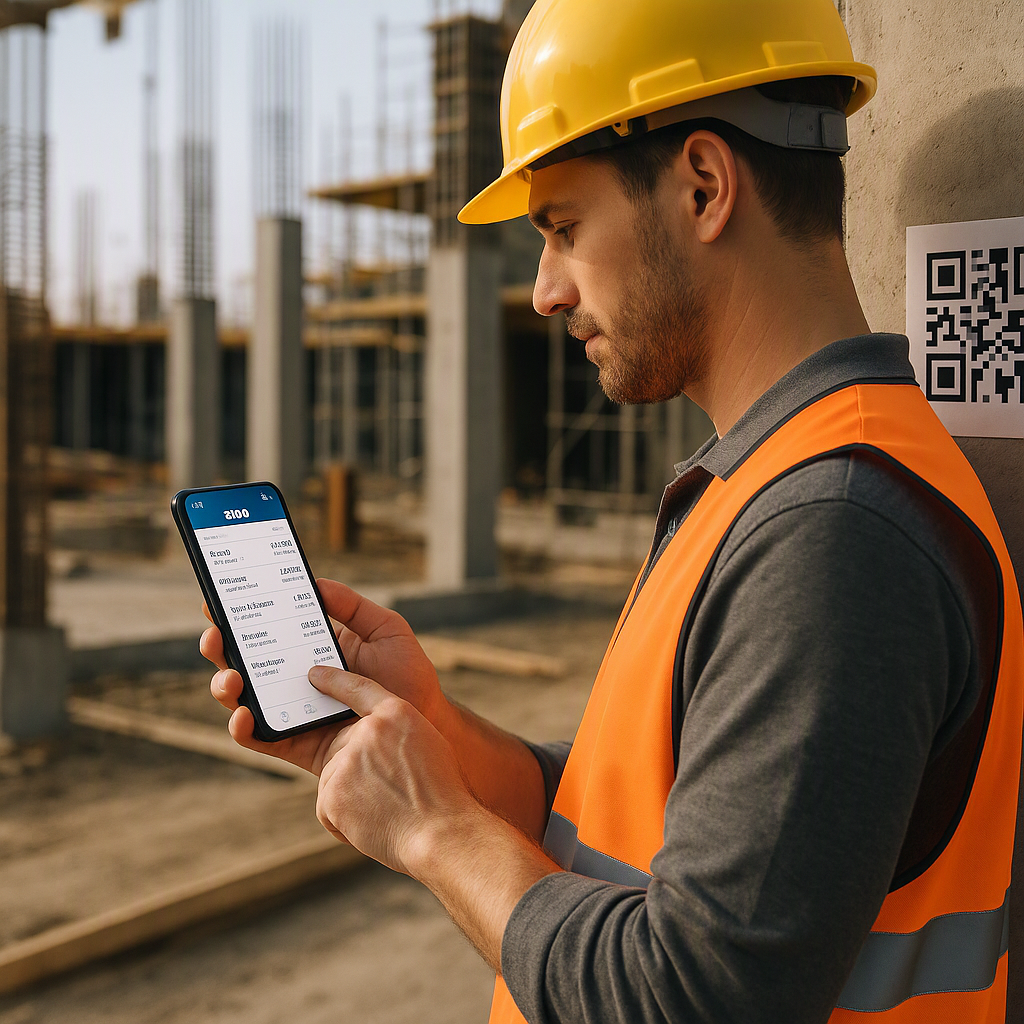
Mobile technology has revolutionized value engineering by providing real-time data. Contractors can now capture data on-site, reducing the lag between data collection and decision-making. This integration ensures decisions are based on the latest information, preventing costly reworks and delays.
Actionable Steps:
-
Adopt Mobile Tools: Implement mobile technology to streamline data collection and analysis. Use apps that integrate with project management systems for seamless updates.
-
Train Staff: Ensure team members are trained to use these tools effectively, maximizing their potential to improve project outcomes.
Sustainability and Value Engineering
Sustainability is another area where value engineering can make a significant impact. By evaluating materials and methods early, projects can minimize environmental impact while keeping costs in line.
Actionable Steps:
-
Material Assessment: Evaluate materials for sustainability as well as cost. Consider life-cycle costs and environmental impact when making decisions.
-
Adaptive Methods: Adopt construction methods that align with sustainable practices, such as using renewable resources or reducing waste.
Challenges and Regional Adaptations
Implementing value engineering requires buy-in from all stakeholders. Resistance to change can be a hurdle, but the benefits far outweigh these challenges.
Actionable Steps:
-
Clear Communication: Clearly communicate the value and benefits of value engineering to all stakeholders to gain support.
-
Local Regulations: Adapt value engineering practices to comply with regional regulations and standards, whether focusing on energy efficiency, safety, or other local priorities.
Decision Framework
| Factor | Traditional Approach | Value Engineering Approach |
|---|---|---|
| Goal | Cost reduction | Value optimization |
| Method | Budget cuts | Function analysis and creativity |
| Quality Impact | Often compromised | Maintained or improved |
| Stakeholder Involvement | Limited | Integral |
| Sustainability | Often overlooked | Integrated |
Conclusion
Being wrong about value engineering cost me time and potential savings. But by embracing mobile technology and real-time data integration, we've turned value engineering into a proactive strategy rather than a reactive one. If you're facing project inefficiencies and cost overruns, consider exploring tools that facilitate value engineering and real-time data integration. This approach can significantly enhance project value without compromising quality.
Learn more at JobNext.ai - Construction ERP