I Used to Think Tariffs Would Shake Up the Construction Drone Market
Back when the US imposed tariffs on Chinese imports, I figured it was only a matter of time before American manufacturers stepped up and took over. I mean, we’re talking about construction drones—tools that are increasingly important for site surveys, material tracking, and project monitoring. Surely, with the added cost of importing drones from companies like DJI, US firms like Skydio or others would finally grab the spotlight, right?
Wrong.
What Changed My Mind
Fast forward to today, and Chinese drones—specifically DJI drones—still dominate US construction sites. Despite tariffs increasing costs, DJI hasn’t budged from its top spot. According to Drone Industry Insights, DJI controls a significant share of the global drone market, and its presence in the US remains strong.
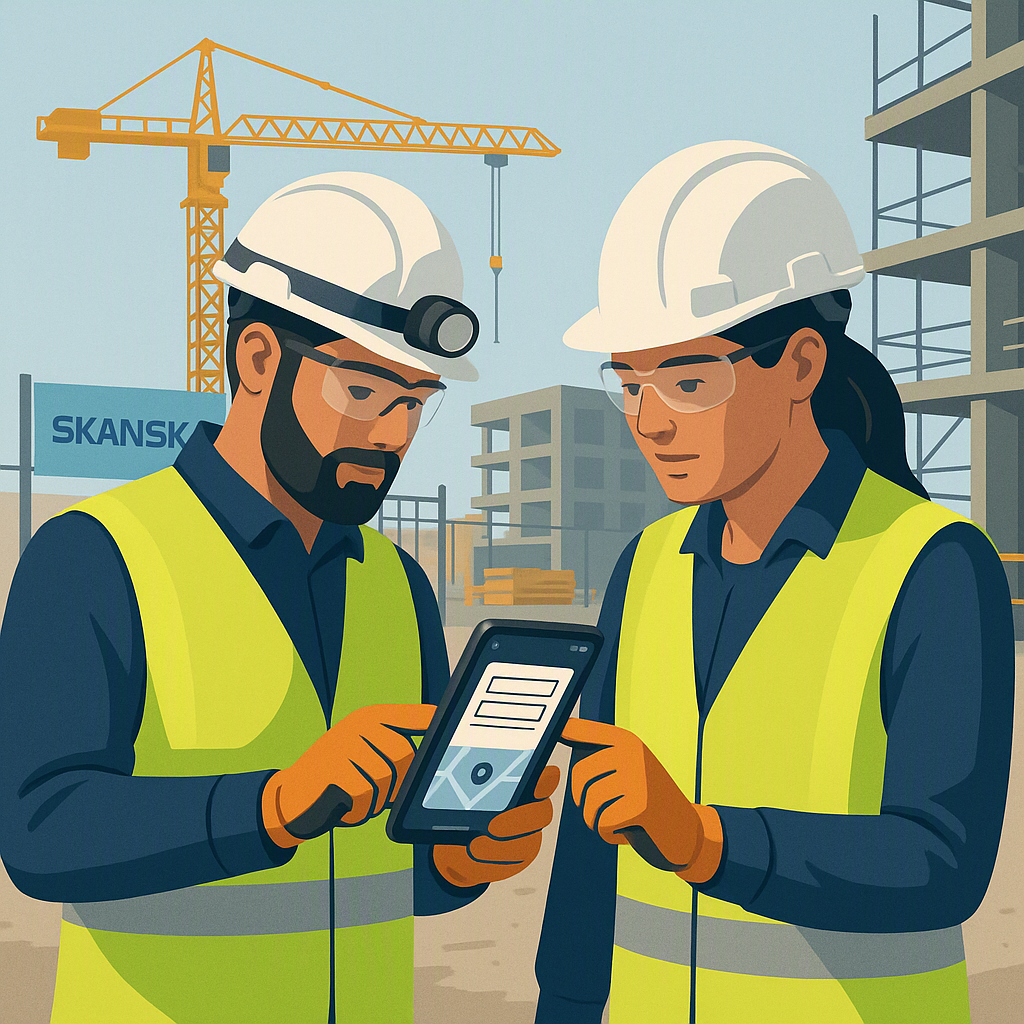
The real wake-up call for me wasn’t just the market data. It was hearing from actual contractors on job sites. They kept saying the same thing: “Sure, DJI drones cost more now, but they still give us the best bang for our buck.” It wasn’t just the hardware. It was the usability, range, and reliability. No one else is building drones that tick all the boxes for construction work—at least not at a competitive price.
Let’s break this down further. Why are contractors sticking with DJI despite increased costs? The answer comes down to three primary factors:
- Hardware Capabilities: DJI has spent years refining its drones with features like high-resolution cameras, extended flight ranges, and robust obstacle avoidance.
- Integrated Ecosystem: Their drones work seamlessly with apps like DJI Pilot and third-party construction software solutions.
- Cost-Effectiveness: Even with tariffs, DJI remains affordable compared to competitors, particularly when weighing cost against performance.
Why My Old Belief Held Up for So Long
Looking back, I think I underestimated the gap between Chinese drone tech and the competition. DJI has been refining their systems for years. Their drones, like the Phantom series and Matrice models, come equipped with advanced cameras, 3D mapping, and seamless app integration. They’ve built a comprehensive ecosystem that’s hard to beat.
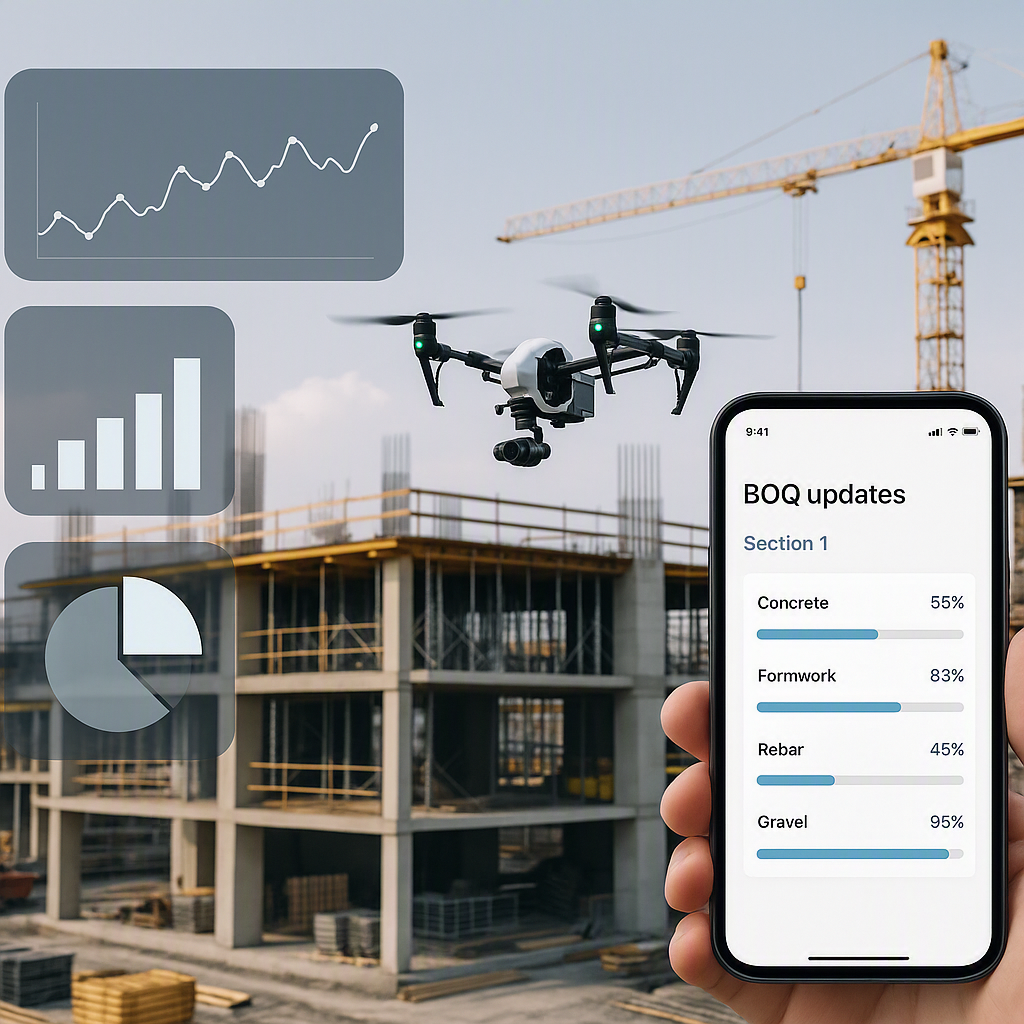
On the other hand, US-based companies like Skydio have tried to compete but seem focused on niche markets—like autonomous consumer drones or military applications. While their technology is impressive, it’s not tailored for the heavy-duty, data-driven needs of construction professionals. A Skydio drone might be fantastic for capturing action shots, but it’s not as versatile for tasks like creating accurate BOQs (Bill of Quantities) during site surveys.
Actionable Comparison: DJI vs. Other Brands for Construction Drones
Here’s a simple comparison of DJI and competitors like Skydio and Autel Robotics to highlight why DJI continues to be the preferred choice:
| Feature | DJI Drones | Skydio Drones | Autel Robotics |
|---|---|---|---|
| Camera Quality | High-resolution cameras with advanced zoom and thermal imaging options | Good, but fewer thermal imaging and zoom options | Comparable to DJI in some models |
| Flight Time | ~30-55 minutes | ~20-30 minutes | ~30 minutes |
| Mapping Capabilities | Advanced (3D mapping, RTK modules) | Limited for construction | Moderate |
| Software Integration | Seamless with DJI Pilot, third-party apps like DroneDeploy | Limited integrations | Decent integrations |
| Price-to-Performance | Excellent value even with tariffs | High cost for niche use cases | Competitive pricing |
Another factor is cost. Yes, tariffs have made DJI drones pricier, but even with that added expense, they’re still often more affordable than many alternatives. And when you’re working with tight margins—something the construction industry is notorious for—you pick the tool that delivers the most value for the least money. The combination of affordability and functionality keeps DJI ahead of the pack.
What We’re Doing Differently Now
So, what’s the takeaway? As a contractor, you have to work with what’s available and what works. For us, that means integrating the tools we already depend on—like drones—into a system that maximizes their utility.
Step-by-Step Guide to Optimizing Drone Use in Construction
- Choose the Right Drone for Your Needs: Assess your specific project requirements (e.g., thermal imaging, mapping, or standard photography) and pick a model that aligns with those goals. DJI’s Matrice series is great for large-scale industrial projects, while the Phantom series works well for smaller sites.
- Invest in Software Integration: Many companies fail to capitalize on the full potential of drone data. Look into platforms like DroneDeploy, PIX4D, or Propeller Aero to process drone-captured data and integrate it into your project management system.
- Train Your Team: Drones are only as good as the operators flying them. Invest in training your team to ensure safe and effective drone use. The FAA’s Part 107 certification is a good place to start.
- Streamline Data Flow: Set up workflows that allow drone data to be directly uploaded to your ERP system or shared with stakeholders via cloud-based platforms. This saves time and reduces errors compared to manual data handling.
- Conduct Regular Maintenance: Drones are highly technical devices that benefit from regular checks. Replace propellers and batteries as needed to avoid downtime on-site.
This kind of real-time integration makes a difference. Delays in pre-construction activities like surveys and BOQ creation can cost contractors valuable time and opportunities. Combining drones with integrated software ensures you’re not one of those contractors stuck in the past. By the time you’ve packed up your drone, your survey data is already synced and accessible to the rest of your team.
What Being Wrong Has Cost Me—and What I’m Still Unsure About
Believing tariffs would level the playing field for US drone manufacturers made me less open to the reality of the market. I wasted time researching alternatives that couldn’t deliver, and I overlooked ways to optimize the tools already available.
That said, I’m still not sold on the long-term viability of relying on Chinese drones. What happens if the US imposes stricter import bans or DJI faces regulatory issues? The construction industry could find itself scrambling for replacements—replacements that, as of now, don’t fully exist.
Preparing for the Future: Mitigating Risk
- Evaluate Backup Options: Identify alternative drones that could step in for your current fleet if needed. While none match DJI’s capabilities, brands like Autel Robotics may fill the gap temporarily.
- Diversify Your Toolset: Don’t rely solely on drones for all your surveying needs. Investigate other technologies such as ground-based LIDAR or photogrammetry solutions.
- Stay Informed About Policy Changes: Keep an eye on US trade policies and FAA regulations that may affect your procurement decisions.
- Advocate for Domestic Innovation: Support US-based drone manufacturers by engaging in feedback programs or pilot testing their products.
Learn more at JobNext.ai - Construction ERP