By 2026, contractors who stick to outdated processes—paper surveys, manual BOQ entry, or scattered WhatsApp threads—are going to fall behind. Why? Because speed and accuracy will win jobs, not just low prices. And the gap between those who adopt mobile bidding apps and those who don’t is only getting wider.
The Real Problem: Site Data is Stuck in the Field
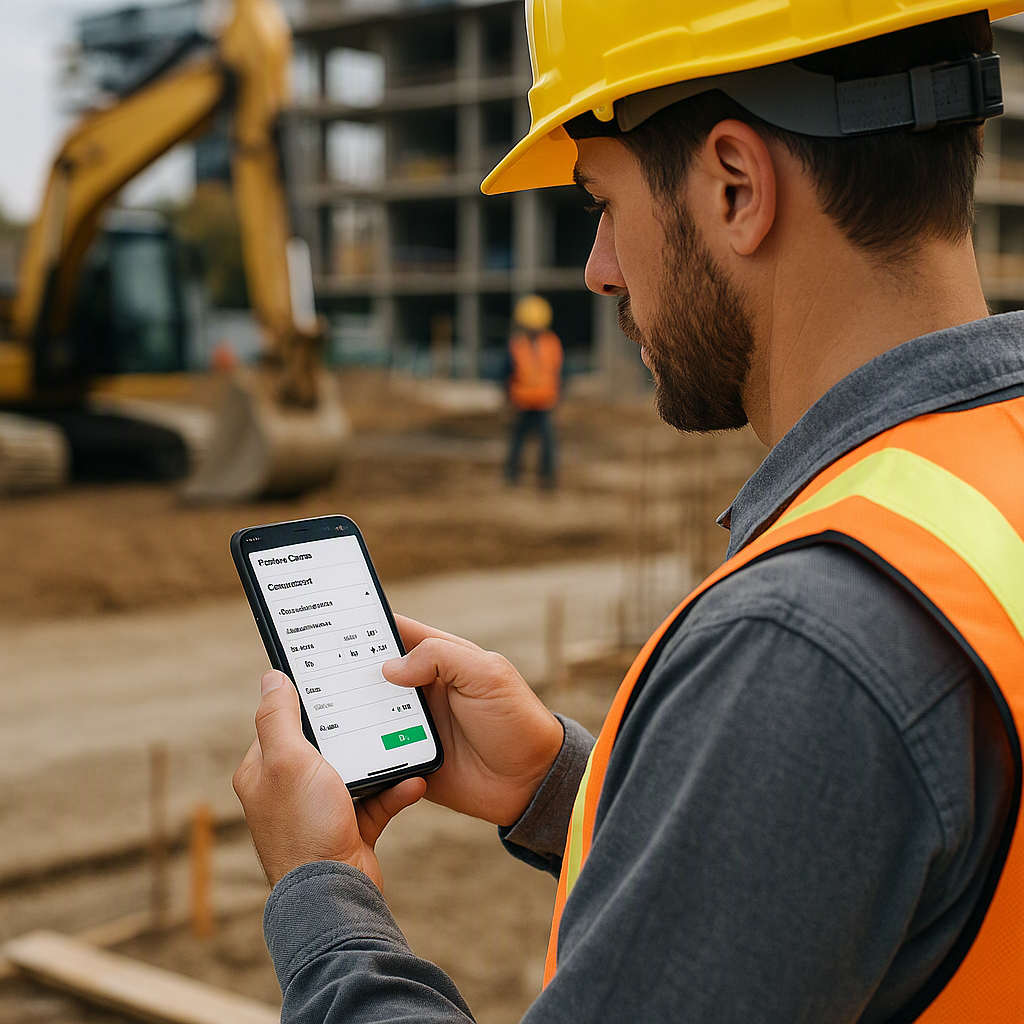
Let’s be honest: most contractors still rely on old-school ways to collect site data. The supervisor scribbles notes or takes random photos on-site. Then, hours (or days) later, they try to piece it all together back at the office. By the time that data finally makes it into the ERP, you've lost precious time. Worst-case scenario? The delay costs you the bid.
Sound familiar?
According to JobNext's blog, 54% of contractors face project delays because of poor real-time connectivity between the field and the office. And that stat isn't surprising. If your ERP doesn't talk to your site teams in real-time, you’re not managing the process—you’re just reacting to chaos.
A Better Way: BOQ Entry On-Site
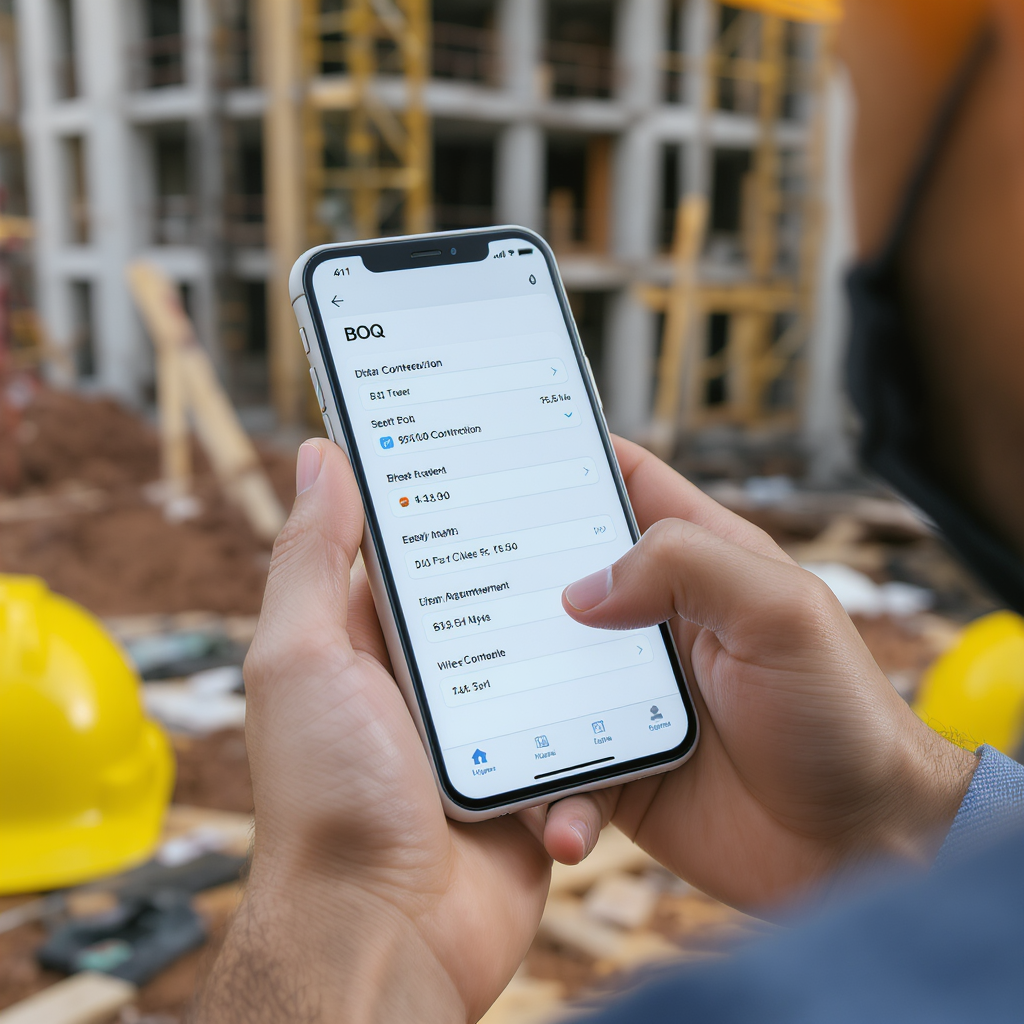
Here’s where mobile bidding apps change the game. Take BidNext, for example. It lets your field team build a Bill of Quantities (BOQ) right there on-site. No more waiting to get back to the office, no more guessing quantities days later, and no more entering the same data twice.
Picture this: You’re at a job site, walking through with the client. You’re discussing scope, materials, and timelines. Instead of jotting notes on paper, you open an app on your phone. Line by line, you build the BOQ: quantities, units, rates—it’s all there. Need to attach site photos? Snap and upload directly. The app syncs everything instantly with your ERP (in this case, JobNext). One step, no errors, no delays.
The result? Quotes go out in hours, not days. And in a competitive market, that difference is huge.
Why This Matters More in 2026
The construction world isn’t slowing down. In fact, the GCC market alone is expected to hit $175 billion by 2025, driven by mega-projects like NEOM and Dubai’s Urban Master Plan. With this level of demand, clients won’t tolerate slow or sloppy bids. They’ll expect speed, precision, and transparency.
Mobile apps like BidNext aren’t just a nice-to-have anymore—they’re becoming the standard. If your competitor can deliver a quote in 24 hours while you’re still piecing together site notes, guess who wins the job?
The Skeptic’s Take
You might be thinking, "This sounds great, but I don’t want to force my team to use yet another app." Fair enough. Adoption is always a challenge. But here’s the thing: the best apps don’t add work—they reduce it. BidNext, for instance, eliminates duplicate data entry, which your team already hates doing. Plus, its offline mode ensures it works even in remote locations.
Still worried? Start small. Pick one feature—like BOQ entry on-site—and test it with a few supervisors. Once they see how much faster and easier their day gets, they’ll be the ones pushing for full adoption.
Don’t Wait Until It’s Too Late
Here’s the bottom line: By 2026, the contractors who embrace mobile bidding apps will have a clear advantage. Faster quotes. Fewer errors. Happier clients. And yes, more jobs won.
The tech is already here. The only question is when—not if—you’ll start using it.
Ready to see BidNext in action?
Companion mobile app to JobNext giving contractors the ability to bid for jobs on the go.
Get Started Free →Learn more at JobNext.ai - Construction ERP