I Used to Think AI Data Centers Had Nothing to Do with Contractors
When I first heard about AI data center spending driving growth in the semiconductor market, my reaction was simple: "That's a tech issue, not a construction one." Sure, semiconductors are the backbone of AI systems, and data centers need cooling, power, and design to house them. But that seemed like something for specialized contractors, not the general construction industry.
I figured the ripple effect of AI infrastructure spending would be limited to chip manufacturers and tech giants like Google, Amazon, and Microsoft—not your average contractor or tradesperson working on a hospital, office building, or mall. The connection felt abstract.
The Thing That Changed My Mind
In early 2026, I read an article on JobNext’s blog about the challenges of building data centers. It outlined how compressed timelines, supply chain disruptions, and labor shortages were creating opportunities for contractors who could adapt quickly. Then it hit me: the ripple effects of this AI boom weren’t limited to tech companies.
Here’s the raw data: According to a 2026 report by Gartner, global AI-related data center spending is expected to hit $140 billion by the end of the year, up 18% from 2025. In India and the GCC alone, data center projects are projected to grow by 22% annually through 2028.
This isn’t just about semiconductors anymore. It’s about how contractors—especially those in MEP (Mechanical, Electrical, Plumbing), interior fit-outs, and facilities management—are increasingly pulled into these projects to handle complex cooling systems, power distribution, and even AI-driven building designs.
Why My Old Belief Survived So Long
It felt safe to assume that AI infrastructure and construction were separate worlds. After all, contractors deal with bricks and mortar, not silicon chips. And honestly, for years, there wasn’t much to challenge that view. AI was growing, yes, but it wasn’t fundamentally reshaping construction workflows—at least not in any way that seemed urgent.
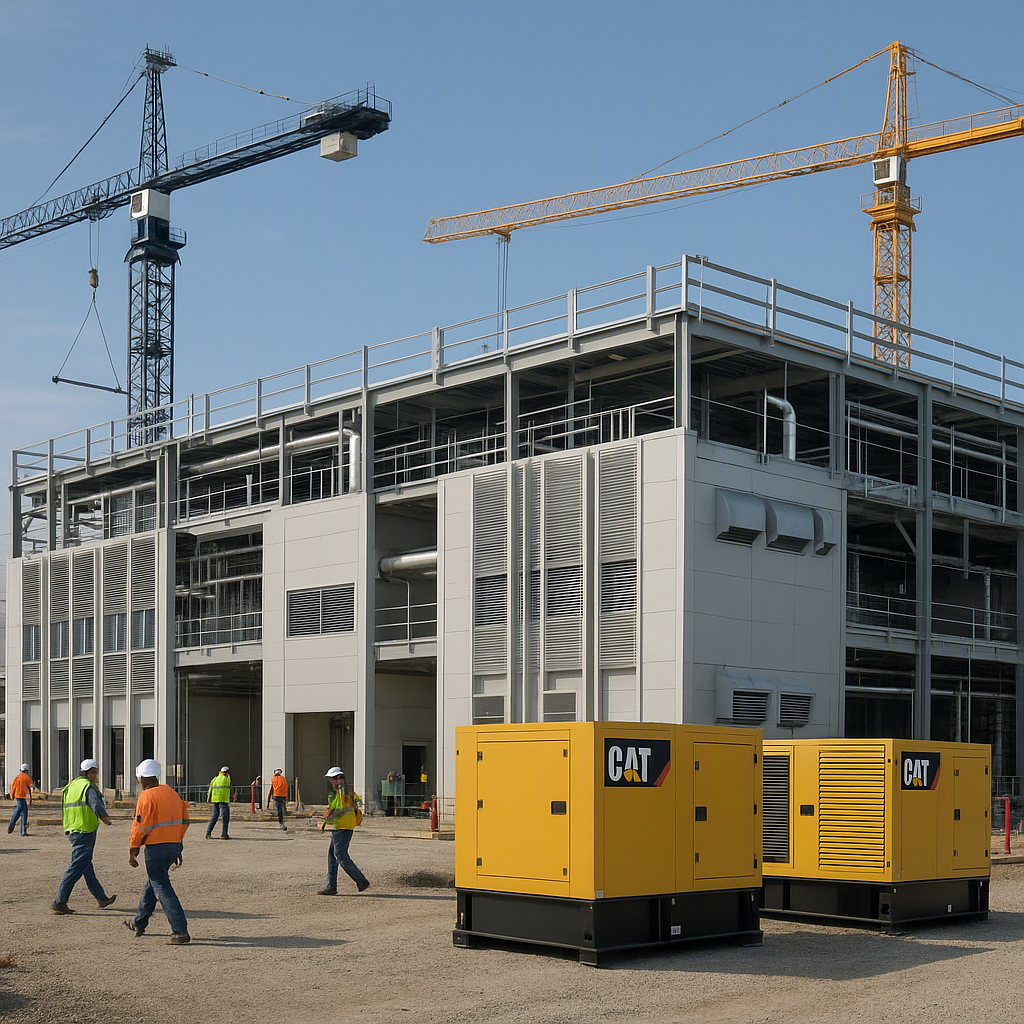
But the numbers don’t lie. AI-driven data center spending isn’t just about semiconductors or servers; it’s about the buildings that house them. And those buildings aren’t your typical warehouses. They need specialized cooling systems, energy-efficient designs, and cutting-edge security features. Contractors who can adapt their workflows to these needs—quickly and accurately—are already ahead of the curve.
Let’s break this down in more detail:
Cooling Systems
AI data centers generate immense heat due to high-density servers. It’s not enough to install standard HVAC (Heating, Ventilation, Air Conditioning) systems. Contractors in this space must understand advanced solutions like liquid cooling systems, which circulate fluids to absorb heat directly from hardware, and aisle containment systems, which isolate hot and cold air to improve efficiency. These systems require precision installation and ongoing maintenance to avoid costly downtime.
Action Steps for Contractors:
- Research liquid cooling technologies and their installation requirements.
- Partner with HVAC manufacturers to gain hands-on training in advanced cooling setups.
- Build relationships with data center operators to understand current and future cooling trends.
Energy Efficiency
AI workloads demand massive amounts of power. It’s not just about how much electricity is supplied to a data center, but how it’s distributed and managed. Contractors must integrate renewable energy solutions like solar panels or battery storage, install energy-efficient transformers, and design systems to minimize energy loss. These tasks are critical to meeting the sustainability goals increasingly required by governments and organizations.
Action Steps for Contractors:
- Become familiar with energy management systems and how they can be integrated into data center builds.
- Upskill electricians in renewable energy installations.
- Learn about compliance with energy efficiency standards like LEED and ISO 50001.
Security Features
Data centers housing sensitive AI systems are prime targets for both physical and cyber threats. Beyond traditional security measures, these buildings require advanced systems such as biometric access controls, multi-factor authentication, and fireproofing measures to protect server rooms. Contractors must work with cybersecurity experts to ensure physical security complements digital protections.
Action Steps for Contractors:
- Understand the requirements for physical security systems like biometric access and surveillance cameras.
- Stay updated on fireproofing materials and techniques.
- Collaborate with cybersecurity firms to design secure facilities.
What I Do Differently Now
The first change was to stop treating AI projects as "someone else’s problem." In our team, we’ve started identifying how tools like BidNext can help contractors align their workflows with the demands of data center construction. But that’s not all—we’ve also shifted how we approach knowledge, collaboration, and training.
Actionable Steps for Contractors
-
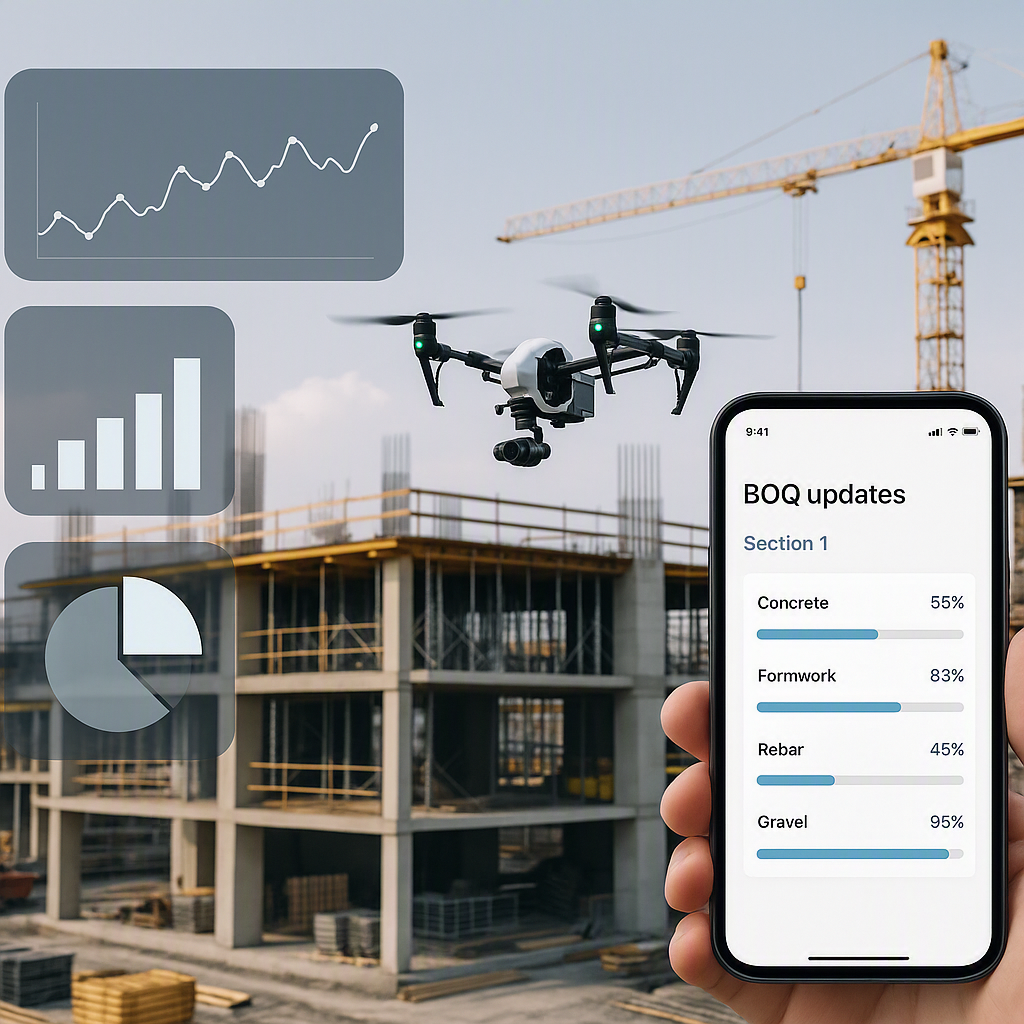
Adopt Smart Workflow Tools Use platforms like BidNext to streamline processes. For example, the Site Survey Module enables contractors to capture detailed BOQs (Bill of Quantities) for specialized installations, such as power distribution networks, cooling systems, and server racks. This ensures accuracy and eliminates delays caused by back-and-forth communication.
-
Understand AI Infrastructure Requirements Contractors need to familiarize themselves with the unique technical specifications of AI data centers. This includes high-density server layouts, cooling demands, and energy efficiency standards. Understanding these requirements will help you bid more competitively and execute projects more effectively.
-
Collaborate Early Work closely with tech companies during the design phase to ensure construction plans align with the operational needs of AI systems. Early collaboration can help preempt design flaws and streamline the building process.
-
Upskill Teams Training is essential. HVAC specialists should learn about liquid cooling systems, electricians should understand the power requirements for AI chips, and project managers should master software platforms that increase efficiency.
Leveraging BidNext
For instance, BidNext’s integration with JobNext ERP is a game-changer for these projects. Here's how:
- Site Survey Module: Field teams can capture specs, photos, and compliance data in real time, creating a seamless handoff between the field and the office.
- BOQ Builder: Accurate material estimation and scope definition prevent costly errors and rework.
- Instant Syncing: Data flows seamlessly across teams, avoiding delays caused by miscommunication or missing information.
What Being Wrong Cost—and What I’m Still Unsure About
Admitting I was wrong isn’t easy, but here’s the cost: missed opportunities. By assuming AI-driven projects were irrelevant, I likely overlooked potential clients who needed contractors ready to handle the unique challenges of data center builds. That’s jobs lost, margins missed, and relationships not made.
What I’m Still Grappling With
- Pace of Change: How quickly will AI infrastructure spending continue to grow? Will the demand for specialized contractors outstrip supply?
- Regional Readiness: Construction markets in India and the GCC are booming, but are contractors equipped with the training and tools to meet these demands?
- Evolving Standards: As technology evolves, will AI data centers require entirely new approaches to construction? How can contractors stay ahead of the curve?
Comparison Table: Traditional Construction vs. AI Data Center Construction
| Aspect | Traditional Construction | AI Data Center Construction |
|---|---|---|
| Cooling Systems | Standard HVAC setups | Liquid cooling, advanced airflow |
| Energy Needs | Moderate | High-density power systems |
| Design Requirements | Conventional layouts | High-tech server optimization |
| Security Features | Basic access control | Biometric systems, fireproofing |
| Project Deadlines | Flexible timelines | Compressed schedules |
Call to Action
If you’re struggling to keep up with the fast-paced demands of today’s construction projects, BidNext can help. Get started free →
Learn more at JobNext.ai - Construction ERP