I Used to Think HR Software Was Overkill for Small Construction Businesses
If you’d asked me five years ago whether a small construction firm needed HR software, I’d have said no. Back then, HR systems were mostly marketed to big corporations with sprawling HR departments. For the typical UK contractor with 20 employees and a few supervisors, it felt unnecessary. Payroll could be managed in Excel. Holiday requests? A shared calendar worked fine. Compliance? Well, that was just a matter of staying on top of the paperwork.
Honestly, I thought investing in HR software was money better spent elsewhere—tools for bidding, project management, or even equipment upgrades. But I was wrong. And here’s why.
The Thing That Changed My Mind
A conversation with a small contractor in Manchester flipped my perspective. They’d been fined nearly £10,000 for failing to comply with auto-enrolment pension rules. It wasn’t intentional—they simply forgot to enroll a few employees in time. The kicker? They were already using payroll software, but it didn’t have built-in reminders or compliance checks for UK-specific regulations like auto-enrolment.
This wasn’t a one-off case, either. According to the Pensions Regulator, small businesses accounted for over 90% of the 38,000 penalty notices issued for auto-enrolment non-compliance in 2022. When you’re juggling project deadlines, client calls, and site visits, it’s easy for admin tasks like these to slip through the cracks. That’s why having an HR system designed for small businesses—and tailored to UK regulations—is critical.
Why Auto-Enrolment Is a Big Deal
Auto-enrolment requires employers to automatically enroll eligible employees in a workplace pension scheme and make contributions. The deadlines are strict, and penalties for non-compliance can escalate quickly. Even small errors—like failing to enroll one employee or miscalculating contributions—can result in steep fines and damage your reputation. An HR system that automates this process removes the guesswork and ensures you stay on track.
The Bigger Compliance Picture
Beyond pensions, UK construction businesses must navigate other regulations like GDPR, holiday pay rules, and health and safety requirements. Without a system to centralize and automate compliance tracking, it’s easy to miss something critical. HR software can act as a safety net, providing reminders, pre-built templates, and audit trails to keep you in line with the law. For example, platforms like Sage HR and BrightHR offer specific compliance features tailored to the UK market.
Why I Was Stuck in My Old Belief
Looking back, I understand why I was resistant. Let’s be honest: the construction industry is notorious for being slow to adopt technology. We’re used to finding workarounds, whether it’s scribbling notes on the back of a clipboard or tracking hours in a spreadsheet. When you’re running a small business, every pound counts, and software subscriptions feel like an unnecessary luxury.
Common Misconceptions About HR Software
- “It’s too expensive.” Many contractors assume HR software is designed for big firms with deep pockets. While high-end systems exist, there are affordable options tailored for small businesses, starting at just £10 per user per month, according to People HR.
- “It’s too complicated.” Early HR systems were clunky and hard to use. Modern platforms like Breathe HR and BrightHR prioritize simplicity, making them accessible to even the least tech-savvy users.
- “It’s not relevant to construction.” While some systems focus on office-based industries, others cater specifically to contractors with mobile teams and fieldworkers. For example, Sage HR includes tools for tracking certifications and managing compliance, directly addressing construction-specific challenges.
What I Do Differently Now
After seeing what a compliance slip-up can cost—and learning about the benefits of modern HR software—I’ve changed my stance. Today, I recommend that every small construction business, even those with just 10 employees, invests in an HR system. But not just any system. It needs to tick a few key boxes:
1. Mobile Accessibility
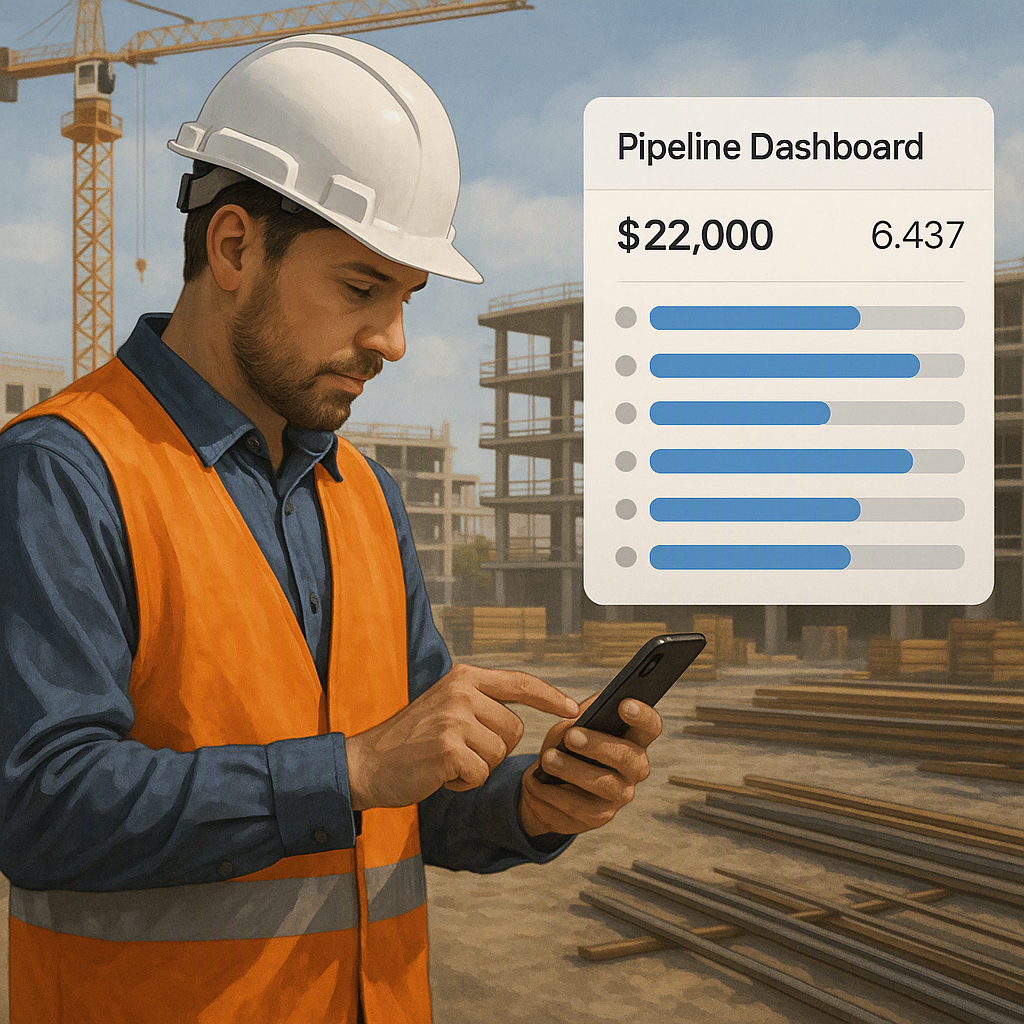
For a construction business, mobility is non-negotiable. Field teams aren’t sitting at desks—they’re on-site, often in areas with patchy internet. That means your HR software needs to work seamlessly offline and sync data later, just like BidNext does for ERP systems. Whether your foreman needs to update timesheets on-site or a supervisor wants to approve holiday requests while traveling, mobile functionality is a must.
Actionable Tip:
Before choosing an HR system, ask vendors whether their mobile app works offline and how often it syncs. Test this feature in real-world conditions, like a construction site with weak connectivity.
2. Compliance Features
UK regulations like GDPR, auto-enrolment pensions, and holiday pay calculations can be a minefield for small businesses. Look for HR software that offers built-in checks and reminders to keep you compliant. For example, Sage HR integrates auto-enrolment features directly into its platform. It’s not just convenient—it’s a safeguard against costly fines.
Actionable Tip:
Choose software that lets you set custom alerts for deadlines and compliance tasks. This ensures you won’t miss critical dates, even during busy project cycles.
3. Integration with Other Tools
This is where many HR systems fall short, especially for contractors. You don’t just need an HR system; you need one that plays well with your existing tools. For example, if you’re using JobNext ERP for project management and bidding, your HR software should integrate with it to streamline processes like payroll, timesheets, and certifications. A disconnected system creates more admin work, not less.
Actionable Tip:
Ask vendors for a list of integrations and test how easily their system links with your current tools. Look for platforms with open APIs for future adaptability.
4. Ease of Use
Let’s face it: most small contractors don’t have a dedicated HR manager. The person handling HR tasks is likely a business owner, office manager, or even a supervisor. They don’t have time to learn complex software. Solutions like Breathe HR and BrightHR stand out for their simplicity, offering user-friendly dashboards and intuitive workflows.
Actionable Tip:
Before buying, request a free trial or demo. Focus on how quickly you can complete basic tasks like approving leave or updating payroll.
What Being Wrong About This Cost Me
I wonder how many contractors I’ve misled over the years by dismissing HR software as unnecessary for small businesses. How many fines could they have avoided? How many hours of admin work could they have saved? Worse still, how many employees felt frustrated by clunky processes and poor communication?
The truth is, I was stuck in outdated thinking. I’d underestimated the impact modern HR systems could have—not just on compliance, but on team morale, efficiency, and even recruitment. After all, as JobNext’s blog points out, inaccurate records don’t just hurt your bottom line—they damage trust. And trust is everything in a small business.
What to Look for in HR Software for Small Construction Firms
Here’s a checklist to guide your decision:
| Feature | Why It Matters | Examples |
|---|---|---|
| Mobile Accessibility | Keep HR processes running smoothly on-site or in transit. | Breathe HR, BambooHR |
| Compliance Checks | Avoid fines for missing auto-enrolment, GDPR, or holiday pay deadlines. | Sage HR, BrightHR |
| Integration with ERP | Sync HR data with tools like JobNext for seamless operations. | BidNext, BambooHR |
| User-Friendly Design | Make it easy for non-HR staff to manage admin tasks. | Breathe HR, Eddy |
| Affordable Pricing | Get scalable solutions without breaking the bank. | Zoho People, Homebase |
The Bottom Line
I was wrong to dismiss HR software for small construction businesses. It’s not just about ticking boxes for compliance—it’s about saving time, improving efficiency, and building a stronger team. If you’re a contractor dealing with mobile teams, compliance headaches, or endless admin, it’s time to reconsider your stance.
And if you’re looking for a way to keep your team connected and productive, BidNext can help. From field surveys to real-time BOQ creation, it’s the mobile tool designed to make contractors' lives easier. Get started today.
Learn more at JobNext.ai - Construction ERP