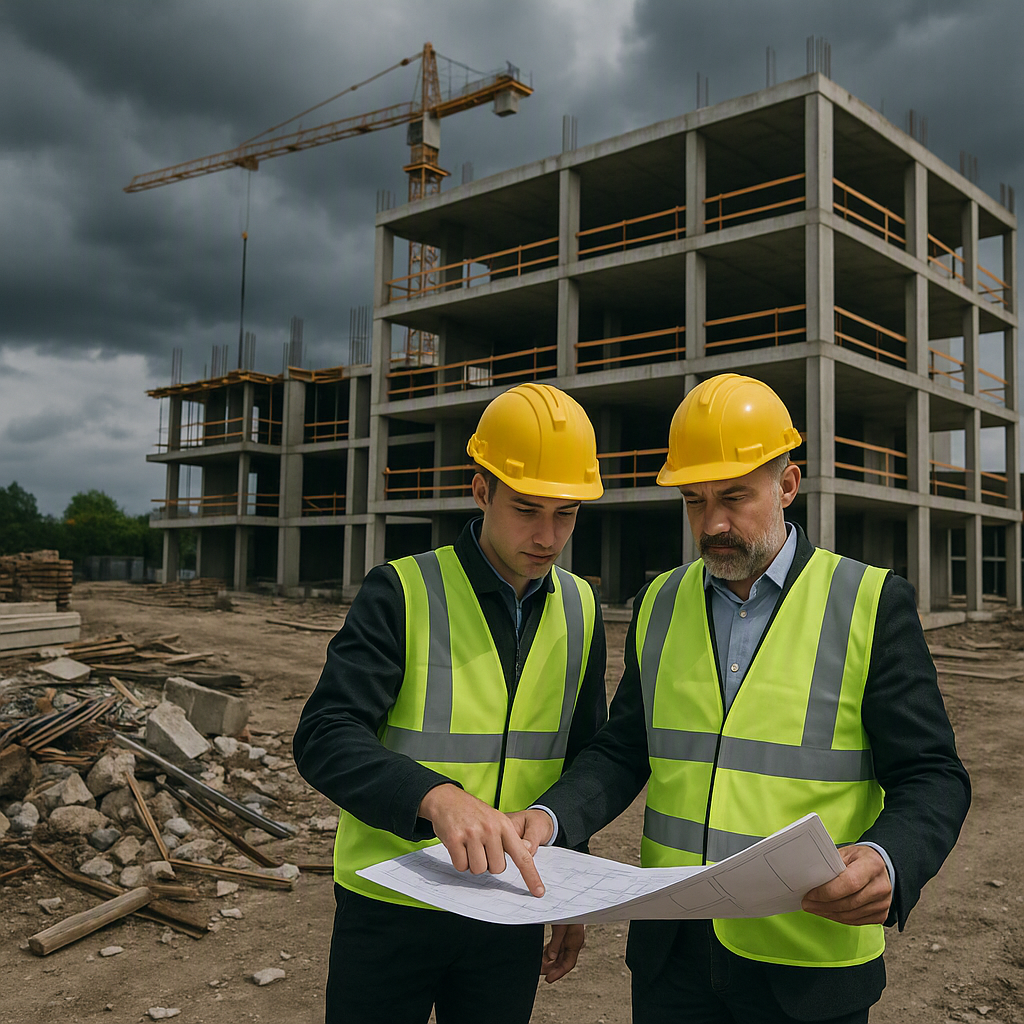
Hurricanes Aren’t Just a Coastal Problem: Why Contractors Everywhere Should Pay Attention
I used to think hurricane season was mostly a coastal problem. Sure, it’s devastating for people who live and work on the Gulf Coast or along the Atlantic. But for contractors in places like the Midwest or interior states, hurricanes were just news stories. They weren’t our problem.
Then FEMA got its budget slashed in 2023, and NOAA started warning that its forecasting capabilities were under threat. That was when I realized the ripple effects aren’t just local—they're national. And they hit contractors everywhere, not just those handling storm cleanup.
NOAA: The Backbone of Disaster Forecasting
Let’s start with NOAA. They’re the ones who provide the data on storm paths and intensities. Their forecasts help everyone prepare, from emergency responders to cities planning evacuations. Contractors rely on NOAA data too, whether they know it or not. It feeds into timelines, materials logistics, and even insurance decisions.
But NOAA’s budget has been shrinking. In 2024, for example, a Reuters report highlighted how NOAA faced cutbacks that could reduce the accuracy and frequency of its satellite forecasts. These satellites are critical for tracking hurricanes and other severe weather patterns. Fewer resources mean less precise storm tracking. Less precision means more uncertainty in planning.
According to NOAA’s own reports, their geostationary satellites like GOES-16 are responsible for high-resolution imagery and rapid updates—tools vital for forecasting. Reducing funding for such tools not only hampers the ability to predict storms but can also lead to significant delays in issuing timely warnings. When you’re managing construction projects that rely heavily on weather forecasts to plan logistics, this is bad news.
Actionable Steps:
- Incorporate NOAA Data into Project Planning: Subscribe to NOAA’s alerts and bulletins. Even if your project isn’t in a hurricane zone, understanding broader storm patterns can help anticipate supply chain issues and adjust schedules accordingly. NOAA offers free tools like the National Hurricane Center that provide real-time updates and projections.
- Use Backup Forecasting Tools: Platforms like Windy, AccuWeather, or Weather Underground can serve as supplementary forecasting tools. While they don’t have the same level of satellite-grade accuracy as NOAA, they provide user-friendly interfaces and short-term forecasts that can validate NOAA data.
- Plan for Uncertainty: Build extra buffer time into project schedules during hurricane season. A one- or two-day delay could save weeks of disruptions if storms impact material deliveries or labor availability. For larger projects, consider creating “contingency workflows” that allow for temporary halts without derailing the entire timeline.
Comparison: NOAA vs. Private Forecasting
| Feature | NOAA | Private Forecasting Tools |
|---|---|---|
| Data Accuracy | High (government-grade satellite data) | Medium to High |
| Costs | Free | Subscription-Based |
| Coverage | Global | Varies |
| Real-Time Alerts | Yes | Yes |
| Historical Data Access | Extensive | Limited or Paywalled |
Additional Tip:
For contractors working remotely or on large-scale projects, consider investing in a weather API integration with your existing project management software. This allows for automated notifications and adjustments based on changing NOAA forecasts.
FEMA: More Than Just Disaster Response
FEMA’s role, as most people understand it, is disaster response. But they also fund mitigation projects—things like strengthening levees, floodproofing buildings, or constructing stormwater management systems. When FEMA faces cuts, those projects slow down or disappear altogether. According to a Financial Times article, FEMA’s 2023 budget reductions meant fewer grants for these mitigation efforts. Contractors who relied on these projects were left scrambling for other work. And the ripple effects didn’t stop there.
In 2022, FEMA’s Hazard Mitigation Grant Program (HMGP) allocated approximately $1.16 billion to hazard mitigation projects across the country. Budget cuts in 2023, however, led to a sharp decline in funding availability for proactive measures, leaving contractors in a precarious position. For instance, projects such as retrofitting buildings to withstand heavy winds or constructing flood barriers faced cancellation or delays. These projects not only create jobs for contractors but also provide long-term cost savings by reducing the economic impact of disasters.
How FEMA Cuts Affect Contractors:
- Reduced Mitigation Projects: Fewer grants for infrastructure upgrades mean less work for contractors specializing in floodproofing or storm-resilient construction. For example, a proposed levee fortification project in Louisiana was recently postponed due to insufficient FEMA funding.
- Delayed Rebuilding Efforts: FEMA cuts can slow disaster funding, creating delays for contractors involved in post-disaster recovery. This creates a backlog of projects, driving up labor and material costs in the process.
- Ripple Effects on Materials Costs: FEMA’s reduced role in disaster response can lead to prolonged recovery timelines, pushing up demand—and prices—for materials like lumber, concrete, and steel.
Actionable Steps:
- Monitor FEMA Funding Priorities: FEMA publishes annual budget reports and grant announcements on their website. These can signal which areas of construction—such as flood prevention or emergency housing—might experience slowdowns or spikes in funding.
- Diversify Expertise: Contractors should consider expanding into emergency repairs, rebuilding, or other disaster-related services to adapt to shifts in FEMA funding. For example, offering services like wind-resistant roofing or flood-resilient flooring can open up new opportunities.
- Build Relationships with Local Government: Many mitigation projects begin with local or state government initiatives. Partnering with local municipalities or attending community planning meetings can help identify opportunities even when FEMA funding slows.
- Leverage FEMA Training Resources: FEMA offers free training programs for contractors through their Emergency Management Institute. These certifications can make contractors more competitive for disaster-related projects.
Supply Chain Disruptions: A Nationwide Issue
Here’s where I was wrong: I thought this was someone else’s problem. But when hurricanes disrupt supply chains, it doesn’t matter if you’re working on a coastal repair project or a high-rise in Kansas City. Materials don’t care about geography—if ports are closed, shipments are delayed. If factories are flooded, production halts. And if your supply chain is disrupted, your project timeline takes a hit. That’s everyone’s problem.
Hurricane Ida, which struck Louisiana in August 2021, caused significant disruptions to the region’s petrochemical industry, which supplies critical construction materials like PVC piping and adhesives. According to NPR, the storm led to weeks-long shutdowns of major plants, pushing construction material prices up by as much as 30% in some sectors. When similar events occur and FEMA resources are stretched thin, the ripple effects extend across industries and geographies.
Actionable Steps to Mitigate Supply Chain Risks:
- Source Materials Locally: When possible, prioritize materials from suppliers within your region. While local sourcing may cost slightly more upfront, it reduces reliance on hurricane-affected ports or factories and ensures faster delivery times.
- Maintain Backup Suppliers: Build relationships with multiple suppliers across different regions so you have alternatives if your primary supplier is impacted by a hurricane.
- Stockpile Critical Materials: For high-risk seasons like hurricanes, stockpile essential materials like lumber, concrete, and fasteners. This is especially important for projects with tight deadlines or limited flexibility.
- Collaborate with Logistics Experts: Work with freight and shipping professionals to anticipate delays and reroute shipments when necessary. Tools like Flexport or Freightos can provide real-time updates on shipping logistics.
- Consider Shipping Insurance: For materials coming from hurricane-prone areas, ensure shipping insurance is in place to cover potential losses or damage.
Long-Term Strategy:
Conduct a supply chain audit at least once a year to identify vulnerabilities and dependencies on hurricane-affected regions. Use this information to diversify your supplier base and reduce risks.
Tools to Stay Ahead: BidNext
One of the practical changes I’ve made is incorporating mobile tools like BidNext into my workflow. When hurricanes strike, the aftermath can lead to a surge in emergency repair bids. If you’re not prepared to respond in real-time, you’re going to lose out. With BidNext’s real-time BOQ builder, I can scope out repairs on-site, capture photos, and generate quotes in hours, not days. That’s a game-changer when speed is everything in post-disaster environments.
Their seamless integration with JobNext ERP also ensures my data is where it needs to be without double entry—something I used to waste hours on.
Why Tools Like BidNext Matter:
| Feature | Traditional Workflow | BidNext Workflow |
|---|---|---|
| Quote Generation Time | Days to Weeks | Hours |
| Real-Time Adjustments | Limited | Seamless |
| Integration with ERP Systems | Manual Entry | Automatic Sync |
| On-Site Scoping | Paper-Based | Mobile App-Enabled |
Additional Recommendation:
If you’re not ready for a full ERP integration, start with standalone bidding tools that can export PDFs or spreadsheets. These can still save hours in post-disaster scenarios.
Conclusion
Ignoring hurricanes and their ripple effects is a mistake—even if your projects are far from the coast. Contractors can’t operate in a vacuum. NOAA and FEMA cuts expose the fragility of our systems, from forecasting to disaster response, and those gaps affect everyone. Staying informed and adapting with tools like BidNext can help mitigate risks and keep your projects on track.
Don’t wait until “someone else’s problem” becomes yours. Get started free →
Learn more at JobNext.ai - Construction ERP