I Used to Think Inflation Was Just About Prices
For years, I believed construction inflation was a straightforward issue. Material costs go up, labor rates climb, and contractors just have to adjust their pricing to stay profitable. It sounded logical: keep tabs on market trends, update your rates, and pass the increases on to your client. If you're proactive, inflation shouldn't hurt your bottom line too much, right?
Wrong.
What Changed My Mind
July’s report from the Bureau of Labor Statistics hit me like a brick. Construction costs had risen 7.4% year over year, and it wasn’t just raw materials driving the spike. Labor shortages and supply chain delays were compounding the problem. But the kicker wasn’t the rising costs—it was how much contractors were losing because of timing. The lag between site visits and quote submissions meant bids were outdated before they even reached the client.
Here’s one example: a contractor I spoke with lost a ₹40 lakh interior fitout project because their quote, submitted five days after the site survey, didn’t reflect a supplier price hike that had kicked in mid-week. The client went with a competitor whose quote was submitted same-day and accounted for the new rates. That’s when it hit me: inflation isn’t just about numbers; it’s about speed.
Let’s break this down:
- Material Costs: Inflation influences raw materials like steel, concrete, and lumber. Price fluctuations can happen quickly, especially in volatile markets. For instance, steel prices surged by nearly 15% in the first half of 2022, according to commodity tracking data from Trading Economics.
- Labor Costs: Labor shortages force contractors to pay higher wages to secure skilled workers. These costs don’t just creep up—they spike. In July 2023, the Associated General Contractors of America reported that hourly wages for construction labor jumped more than 5% compared to the previous year.
- Supply Chain Delays: Global supply chain disruptions mean materials arrive later, adding storage costs and delaying project timelines. According to a McKinsey report, lead times for construction materials like lumber stretched by an average of 8 weeks during the pandemic—and those delays are still lingering in some markets.
- Quote Timing: Inflation magnifies the impact of timing because outdated quotes immediately lose competitiveness.
The Role of Timing in Inflation
Timing exacerbates the effects of inflation in ways many contractors overlook. For example, even a 2-3% increase in steel prices over a single week can wipe out your profit margin if your quote doesn’t reflect the updated cost. This isn’t just about being fast for the sake of being fast—it’s about aligning your pricing with real-time market conditions.
The Compounding Effect of Delays
Inflation doesn’t act in silos. Material costs, labor shortages, and supply chain issues don’t just add up—they multiply. For example, delayed materials can lead to project downtime, during which you’re still paying higher labor costs for workers who are waiting around. Meanwhile, a delayed quote can make a client lose confidence in your ability to deliver on time.
Why I Held Onto My Old Belief
Looking back, it’s easy to see why I underestimated the timing issue. Most contractors I knew relied on traditional workflows. You visit the site, jot down survey notes, return to the office, and spend hours entering everything into the ERP to generate a quote. It’s a slow, manual process, but it’s what we all did.
And let’s be honest—there’s comfort in sticking to what you know. Changing processes feels risky, especially in an industry where margins are already razor-thin. I assumed that focusing on accurate pricing alone was enough to offset inflation. I didn’t account for how the delay in submitting quotes could erode trust or make competitors look more responsive.
Here’s how traditional workflows fail in today’s market:
- Time Lag: Taking days to compile and submit quotes creates a disadvantage when prices change weekly. For example, the 7.4% construction cost increase reported in July 2023 could mean daily shifts in supplier pricing.
- Manual Errors: Transferring data between survey notes, spreadsheets, and ERP systems can lead to costly mistakes.
- Reputation Damage: Slow responses make clients feel undervalued, pushing them toward competitors who seem more agile.
Why Traditional Methods Persist
Many contractors stick to these outdated workflows because of habit, fear of the unknown, or the upfront costs of adopting new tools. There’s also a perception that investing in technology is risky and unnecessary when margins are tight. But as inflation continues to affect material and labor costs unpredictably, these methods are becoming increasingly impractical.
The reality is that the cost of inaction—missed projects, eroded profit margins, and lost client trust—is far higher than the cost of upgrading to faster, more reliable systems.
What I Do Differently Now
I’ve completely changed my perspective on pre-tender workflows. The key isn’t just pricing accuracy; it’s real-time responsiveness. If you can’t deliver quotes the same day—or at least within 24 hours—you’re handing your competitors an advantage.
Actionable Steps to Improve Responsiveness
-
Invest in Mobile Tools
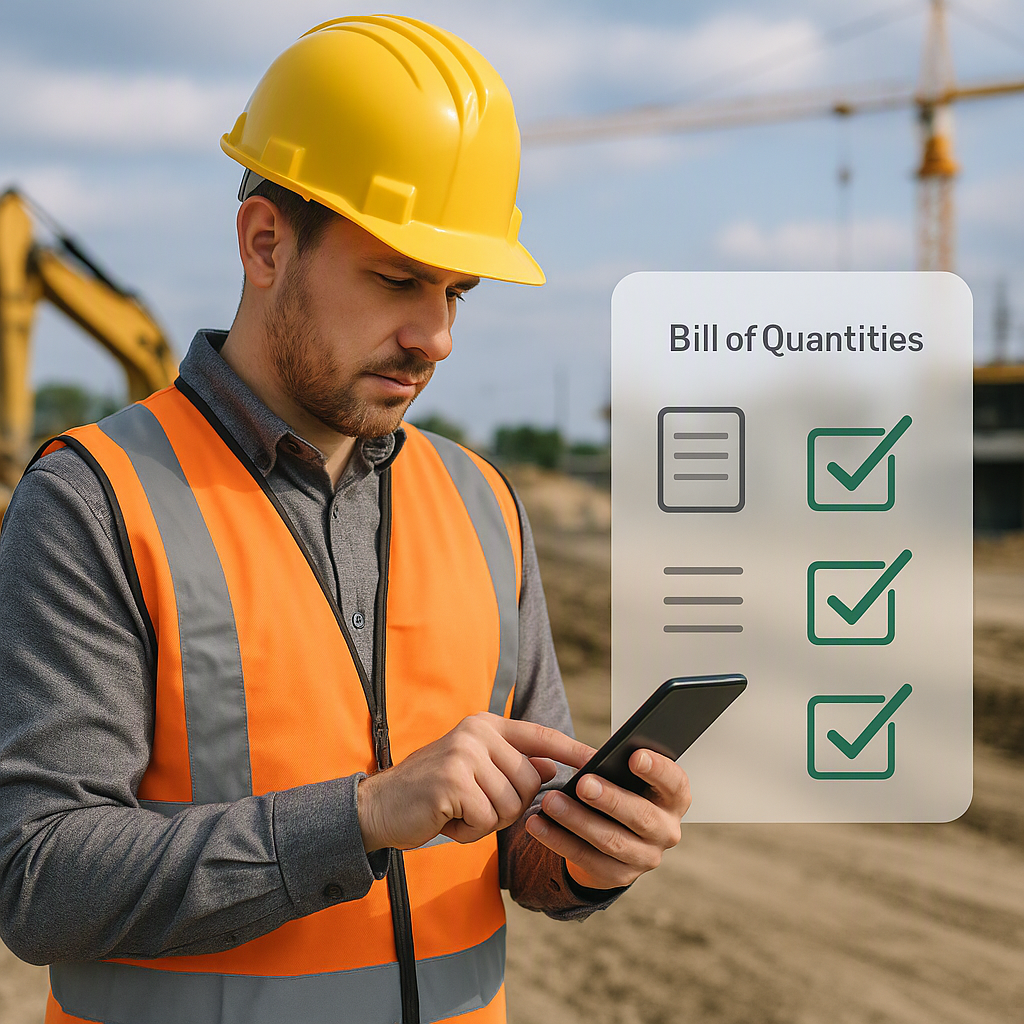
- Use platforms like BidNext that allow field teams to generate quotes on-site.
- Benefits: Eliminates the need to re-enter data, reduces errors, and speeds up submission.
- Example Workflow: After completing a site survey, input measurements and materials directly into the app, which syncs with updated supplier rates in real-time.
-
Streamline Data Collection
- Replace paper-based survey notes with digital forms.
- Benefits: Ensures accuracy and saves time on manual data entry.
- Tools: Look for apps with built-in BOQ (Bill of Quantities) builders that integrate with your ERP.
-
Communicate with Suppliers Regularly
- Build strong relationships to stay informed about price changes.
- Benefits: Allows you to adjust quotes proactively.
- Example: Set up weekly calls or subscribe to supplier price notifications.
-
Set Internal Deadlines
- Aim to submit quotes within 24 hours of the site visit.
- Benefits: Creates consistency and improves client trust.
- Tip: Use automated task management tools to track deadlines.
-
Monitor Inflation Trends
- Use resources like the Bureau of Labor Statistics or commodity price indexes to track trends.
- Benefits: Keeps you informed about upcoming price hikes so you can adjust future quotes accordingly.
Advanced Methods for Balancing Speed and Accuracy
Speeding up the quoting process doesn’t have to mean sacrificing accuracy. Here are some strategies to ensure both:
- Automate Calculations: Use software that automatically updates pricing based on supplier data.
- Standardize Templates: Create templates for common project types to reduce manual input errors.
- Build Review Checkpoints: Implement a second layer of checks before submitting quotes to catch potential inaccuracies.
Comparison Table: Traditional vs. Real-Time Quoting
| Feature | Traditional Workflow | Real-Time Workflow |
|---|---|---|
| Quote Submission Time | 3-5 days | Same day or 24 hours |
| Accuracy | Prone to manual errors | Automated calculations |
| Adaptability to Inflation | No real-time updates | Supplier rates synced instantly |
| Client Trust | Often erodes due to delays | Builds trust via responsiveness |
| Competitiveness | Lower due to outdated quotes | High due to faster turnaround |
If you're tired of losing jobs because your quotes take too long, BidNext can help. Its real-time tools ensure faster, more accurate quotes, keeping you competitive in a challenging market. Get started free →
Learn more at JobNext.ai - Construction ERP