I Used to Think Nuclear Construction Was About Big Budgets and Long Timelines
For years, I believed nuclear construction projects were defined by their sheer scale. You’re talking multi-billion-dollar budgets, decades-long timelines, and a mountain of red tape. Big firms like Kiewit and Bechtel dominate the space because they have the resources to deal with all that complexity. Smaller contractors? Forget it. They can’t compete on projects of this magnitude—or so I thought.
What Changed My Mind
In October 2026, Kiewit announced its $1 billion investment into nuclear construction, specifically targeting small modular reactors (SMRs). These aren’t the sprawling nuclear plants we’re used to seeing. SMRs are compact, efficient, and increasingly in demand as governments push for greener energy alternatives. Reuters reported that the International Atomic Energy Agency (IAEA) expects SMRs to account for 25% of new nuclear builds by 2035.
Kiewit’s pivot to SMRs isn’t just about adopting a new technology—it’s a shift in how pre-construction is handled across the entire industry. SMRs require faster, more accurate pre-construction workflows. Why? Because these projects prioritize speed and scalability. The old way of building nuclear plants—spending years on feasibility studies and approvals—won’t cut it anymore. The industry is moving toward a leaner, more agile approach to nuclear construction, and it’s forcing everyone to adapt or risk getting left behind.
Let’s break down why this shift is so significant:
1. Modular Design Reduces Complexity SMRs rely on a modular approach, meaning components are prefabricated in factories and shipped to the site for assembly. This eliminates many of the logistical headaches of traditional nuclear construction, which often involves custom-built components and requires more time for on-site work.
2. Simplified Permitting Processes Traditional nuclear plants face immense regulatory scrutiny due to their size and environmental impact. SMRs, being smaller and less resource-intensive, are designed to meet strict safety standards more efficiently, which can streamline the permitting process.
3. Scalability Meets Demand Unlike traditional plants that are designed to power entire regions, SMRs can be scaled up or down to meet localized energy needs. This flexibility makes them especially attractive for remote areas or developing nations looking to expand their energy infrastructure without committing to massive, long-term projects.
Why My Old Belief Held Up for So Long
It’s easy to see why I thought nuclear construction was all about big budgets and long schedules. Historically, these projects were notorious for delays and cost overruns. Take the Vogtle plant in Georgia, USA, as an example. Initially expected to be operational by 2016, it’s still not fully complete as of 2023, with costs ballooning to $30 billion—double the original estimate.
These kinds of projects have historically been dominated by a few major players who have the financial and operational capacity to weather delays, cost overruns, and regulatory challenges. Smaller contractors had no chance of competing in this space, as the risks were simply too high.
Common Pre-Construction Challenges in Traditional Nuclear Projects
- Lengthy Feasibility Studies: These can take years to complete, delaying the entire project timeline.
- Complex Permitting Processes: Securing regulatory approval for a traditional nuclear plant is an arduous process, often requiring years of back-and-forth negotiations.
- Disjointed Workflows: Teams working on separate systems, such as spreadsheets and paper-based BOQs, lead to inefficiencies and errors.
- Budget Overruns: The longer the project takes, the more likely it is to exceed budget due to inflation, labor costs, and unforeseen issues.
These challenges made it seem inevitable that only the largest contractors could survive in this industry. But SMRs are changing the rules by streamlining many of these processes, making it possible for smaller firms to participate.
What I Do Differently Now
When I saw Kiewit doubling down on SMRs, I realized the game had changed. Today, speed and accuracy in pre-construction workflows are non-negotiable. Real-time BOQ (Bill of Quantities) creation isn’t just a nice-to-have—it’s essential for winning bids in the nuclear sector.
Steps to Streamline Pre-Construction Workflows for SMRs:
-
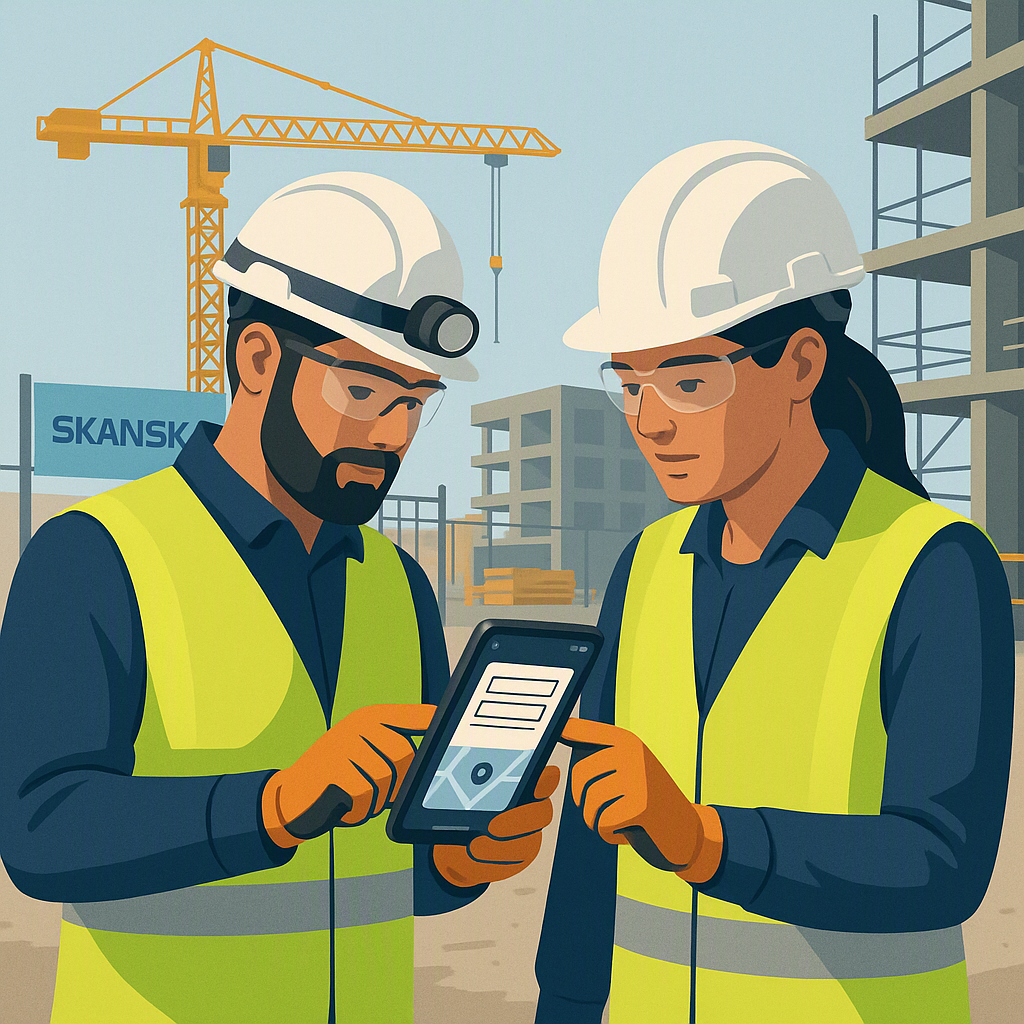
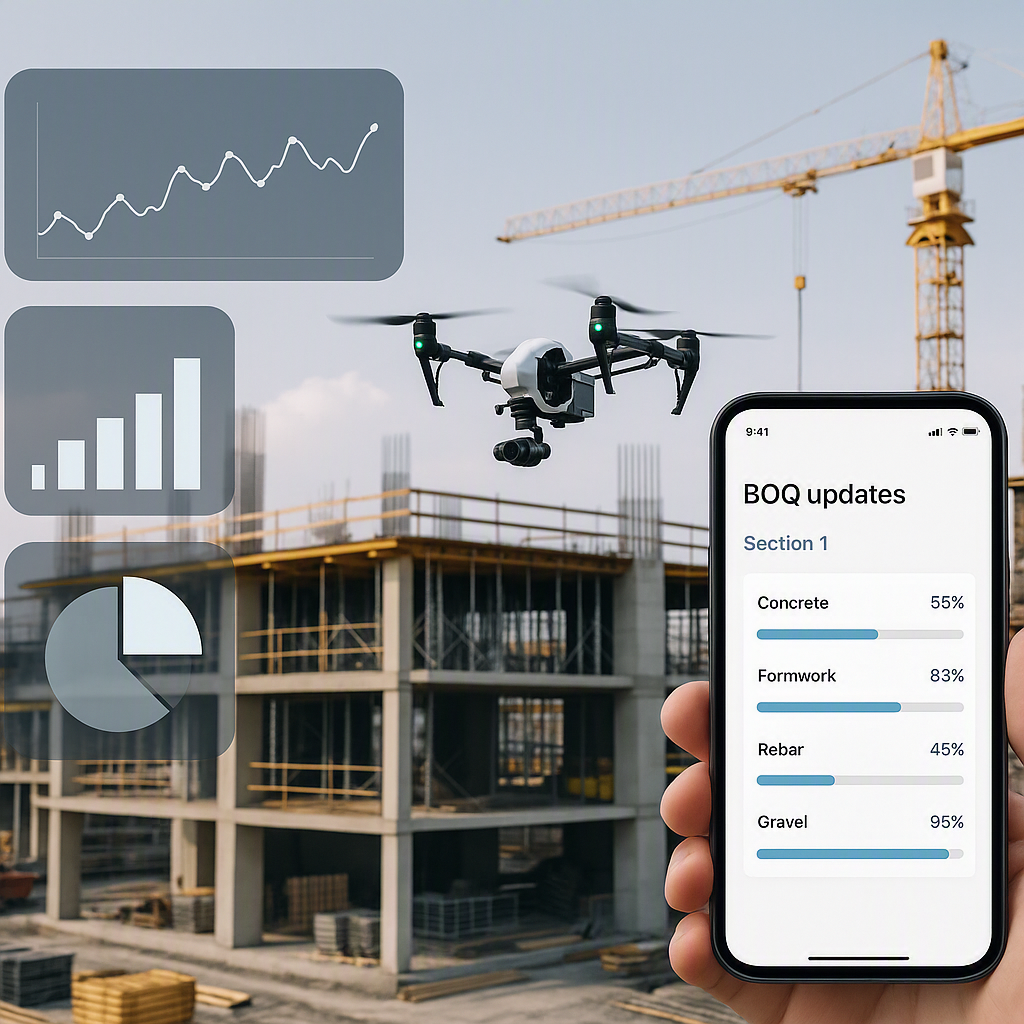
Leverage Real-Time Tools: Tools like BidNext allow contractors to build BOQs directly on-site using mobile devices. This eliminates delays caused by manual data entry back at the office.
-
Enable Seamless Collaboration: Ensure that your field team and office staff are on the same page. Use cloud-based platforms to sync data in real time.
-
Standardize Processes: SMRs benefit from modular designs, and so should your workflows. Develop standardized templates for common tasks to reduce redundancy and errors.
-
Invest in Training: New tools are only as effective as the people using them. Provide training for your team to ensure they can use real-time systems efficiently.
How Real-Time BOQ Creation Works
Let’s imagine your field team is surveying a site for an SMR project. With a real-time tool like BidNext:
- Step 1: The field team inputs data directly into the app, specifying materials, quantities, and labor requirements.
- Step 2: The data syncs instantly with your ERP system, so your office team can review and make adjustments in real-time.
- Step 3: The finalized BOQ is ready to be sent to the client in hours, not days.
This kind of efficiency isn’t just about saving time—it’s about creating a competitive edge. Faster, more accurate BOQs demonstrate professionalism and reliability, which can make or break your chances of winning a tender.
Common Mistakes in Pre-Construction for Nuclear Projects
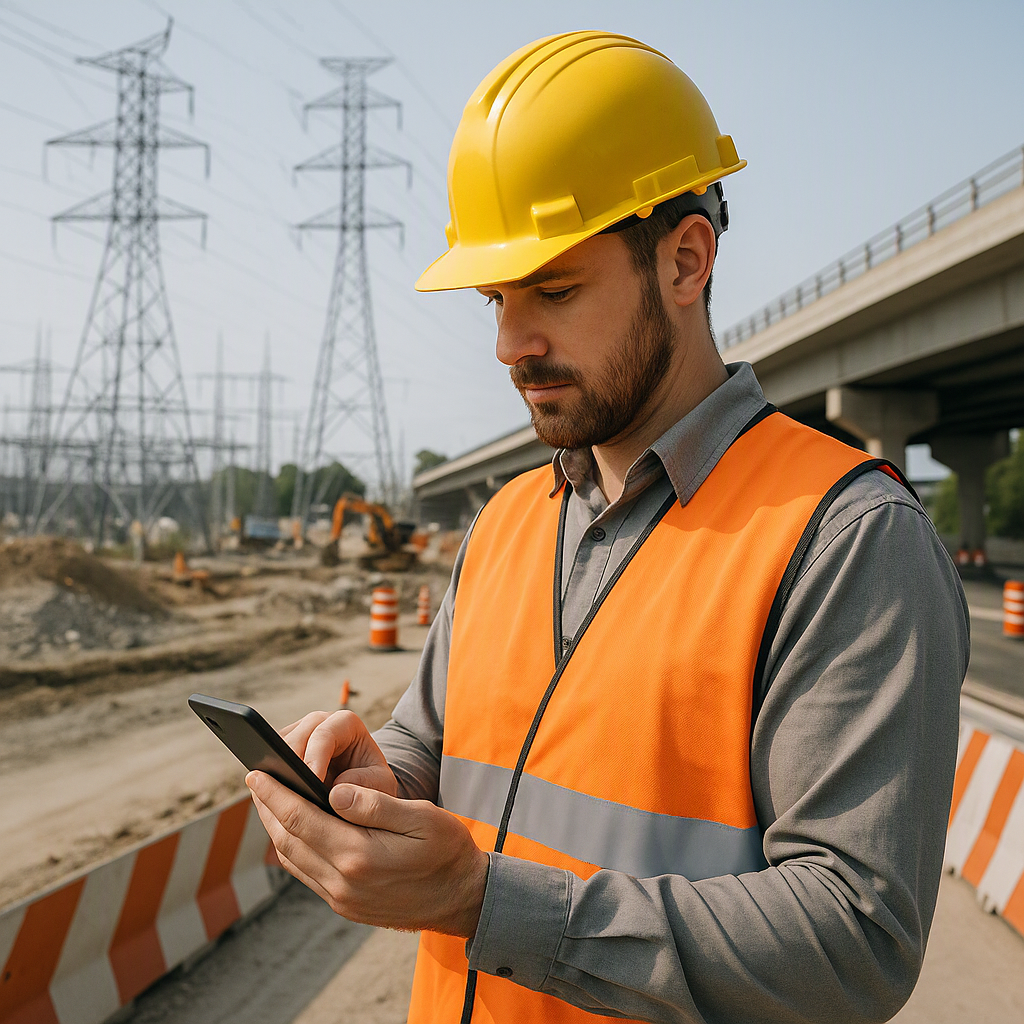
- Over-relying on desktop workflows: Field teams need mobile tools to capture data on-site. If your BOQs are built in the office, you’re already behind.
- Ignoring scalability: SMRs demand faster pre-construction workflows. If your team isn’t equipped for real-time updates, you’ll struggle to compete.
- Lack of integration: Disconnected systems create data silos. Every action in the field should sync instantly to your ERP.
- Delays in quoting: Nuclear projects move fast, especially SMRs. Quotes that take days to finalize could cost you the bid.
Decision Framework: Should You Invest in Real-Time Pre-Construction Tools?
| Factor | Traditional Nuclear Projects | SMR Projects |
|---|---|---|
| Timeline | Decades | Few years |
| Budget | Multi-billion | Hundreds of millions |
| Pre-construction speed | Low | High |
| Modularity | Low | High |
| Tech investment needed | Moderate | Essential |
If you’re targeting SMRs, investing in real-time tools like BidNext isn’t optional—it’s mandatory. The speed and accuracy demands of this market require a modern approach to pre-construction workflows.
Final Thoughts
If you’re stuck in outdated pre-construction workflows, you’re not just wasting time—you’re losing bids. The shift to small modular reactors is reshaping the nuclear construction industry, and adapting to faster, more efficient workflows is critical. Tools like BidNext can help you meet these demands and position your business for future success. Get started free →
Learn more at JobNext.ai - Construction ERP