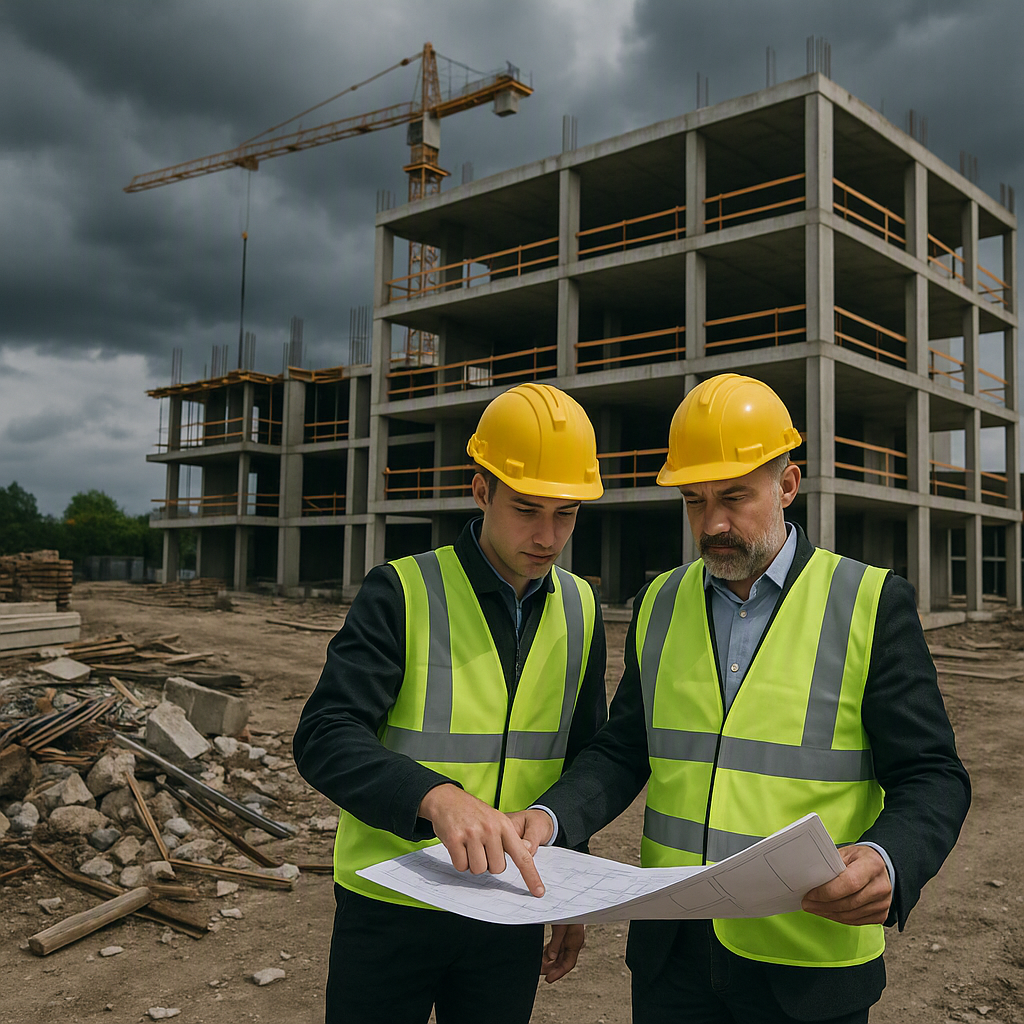
I Thought Pre-Construction Meetings Were Just Checkboxes
For years, I treated pre-construction meetings as a formality. A checklist, some introductions, and we’re off to the races, right? I figured the real work started on-site. If something came up later, we’d handle it. After all, isn’t that what site teams are for?
But I was wrong. Dead wrong. And it cost me.
The Day It Clicked
It was a ₹5 crore interior fit-out project in Mumbai in 2020. A tight timeline, premium client, and no room for mistakes. We walked into the pre-construction meeting thinking we had everything ready: the BOQ, scope documents, and a bunch of approvals. But by the end of the meeting, three things became painfully clear:
- The BOQ was outdated. The client had made last-minute changes during their final walkthrough, and no one had updated the quantities.
- Half the approvals we thought we had were still sitting in someone’s email.
- The scope assumptions weren’t aligned between the field team and the client’s rep.
We left the room with action items instead of clarity. By the time we sorted everything out, we’d lost two weeks. In construction, two weeks can mean lakhs in delays. According to reports from the Construction Industry Development Council (CIDC), delays cost India’s construction sector ₹2.4 lakh crore annually, much of which stems from mismanagement and poor planning.
I couldn’t ignore it anymore — our pre-construction process was broken.
Why the Old Belief Lasted
Looking back, it’s easy to see why I clung to the idea that pre-construction meetings were no big deal. For one, they don’t feel as urgent as hitting a project milestone or fixing a site issue. And let’s face it, many contractors — including me at the time — rely on reactive problem-solving. If something’s missing, we trust we can “figure it out later.”
The Role of Assumptions
Another reason this mentality persists is that we tend to assume foundational documents like BOQs, scope definitions, and approvals are flawless. It’s easier to trust that someone else has done their part than to double-check every detail. But this blind trust is a ticking time bomb.
Paperwork Fatigue
And then there’s the sheer monotony of paperwork. BOQs, scope documents, and approvals aren’t exactly thrilling reads. Chasing down errors feels like micromanaging, so we skip it. Unfortunately, skipping it doesn’t eliminate the errors — it just delays their discovery.
What Changed: Real-Time Tools
The real breakthrough came when we started using tools like BidNext. Specifically, the Enquiry & BOQ Builder. Instead of relying on static spreadsheets or scattered email threads, we began building BOQs directly on-site. Quantities, rates, and classifications were updated in real time. If the client made a change during a walkthrough, it was reflected immediately and synced to our ERP. No more surprises at the meeting table.
Why Real-Time Matters
Real-time tools eliminate the lag between identifying a change and implementing it. In traditional systems, this lag can stretch for days or even weeks, during which errors compound. With tools like BidNext, everyone — from the site team to the project manager — is working off the same, current data.
A case study published by BidNext in 2022 found that implementing real-time BOQ updates reduced project delays by an average of 18%, saving ₹30 lakh per project when used consistently.
Approval Workflows
Another game-changer was the Approval Workflows. Approvals were no longer buried in inboxes or delayed by travel. The team could request and track approvals directly from the app, and managers could approve them even while on-site. It eliminated the “I thought you had it” problem entirely.
The Customer 360° Advantage
And let’s not forget the Customer 360° View. Walking into a meeting with full context — past invoices, contract history, even meeting notes — meant we could anticipate questions instead of reacting to them. This proactive approach saved time and built client confidence.
How I Approach Pre-Construction Meetings Now
These days, we treat pre-construction meetings like mission-critical checkpoints. They’re no longer a formality but a foundation for project success. Here’s what we do differently:
1. BOQ Finalization Happens First
We don’t even schedule the meeting until the BOQ is updated and approved. BidNext’s real-time syncing ensures there’s no lag between site changes and office updates. If the BOQ isn’t accurate, the meeting is a waste of time.
Actionable Step: Assign one team member to own BOQ updates. They should verify every quantity and rate before the meeting, using tools like BidNext to prevent version mismatches.
2. Scope Alignment Is Non-Negotiable
We now use the Site Survey Module to capture detailed scope data. By the time the meeting happens, everyone — from the client to the field team — is working off the same playbook. No more vague assumptions.
Actionable Step: Conduct a pre-meeting scope alignment call with key stakeholders. Use this call to address any ambiguities before they escalate.
3. Approvals Are Pre-Checked
Before the meeting, we verify that all required approvals are in place. BidNext’s notification system makes this easy to track. If something’s missing, we fix it before the meeting, not during.
Actionable Step: Create a shared approval tracker accessible to all stakeholders. This ensures transparency and accountability.
4. The Agenda Is Tight
We keep the agenda focused on alignment, not firefighting. Instead of rehashing old issues, we spend the time making proactive decisions. A typical agenda now includes:
- BOQ and scope confirmation
- Timeline review
- Risk identification and mitigation planning
- Team alignment on deliverables
Actionable Step: Circulate the agenda at least 48 hours in advance and ask for feedback. Incorporate only critical items to maintain focus.
What Being Wrong Cost Me
Those two lost weeks in Mumbai weren’t an isolated incident. I can’t count how many times we’d walked into pre-construction meetings unprepared, only to lose days or weeks fixing preventable issues. It cost us money, credibility, and — most painfully — repeat business. Clients notice when you’re scrambling. They don’t trust you with their next big project.
Even now, I’m not entirely sure we’ve perfected the process. There are always variables you can’t control: client indecision, unexpected site conditions, or even tech glitches. But what I do know is this — the old way doesn’t work. Skipping pre-construction prep is a gamble, and I’m done gambling.
Comparison Table: Old vs. New Pre-Construction Processes
| Aspect | Old Process | New Process with Tools |
|---|---|---|
| BOQ Updates | Static spreadsheets | Real-time, synced updates |
| Approvals | Email delays | Built-in workflows |
| Scope Alignment | Assumptions and miscommunication | Detailed survey data |
| Meeting Agenda | Reactive firefighting | Proactive alignment |
| Risk Management | Informal | Structured, agenda-based discussions |
If you’re tired of delays derailing your projects, BidNext can help. Get started today and turn pre-construction meetings into a strength, not a liability.
Learn more at JobNext.ai - Construction ERP