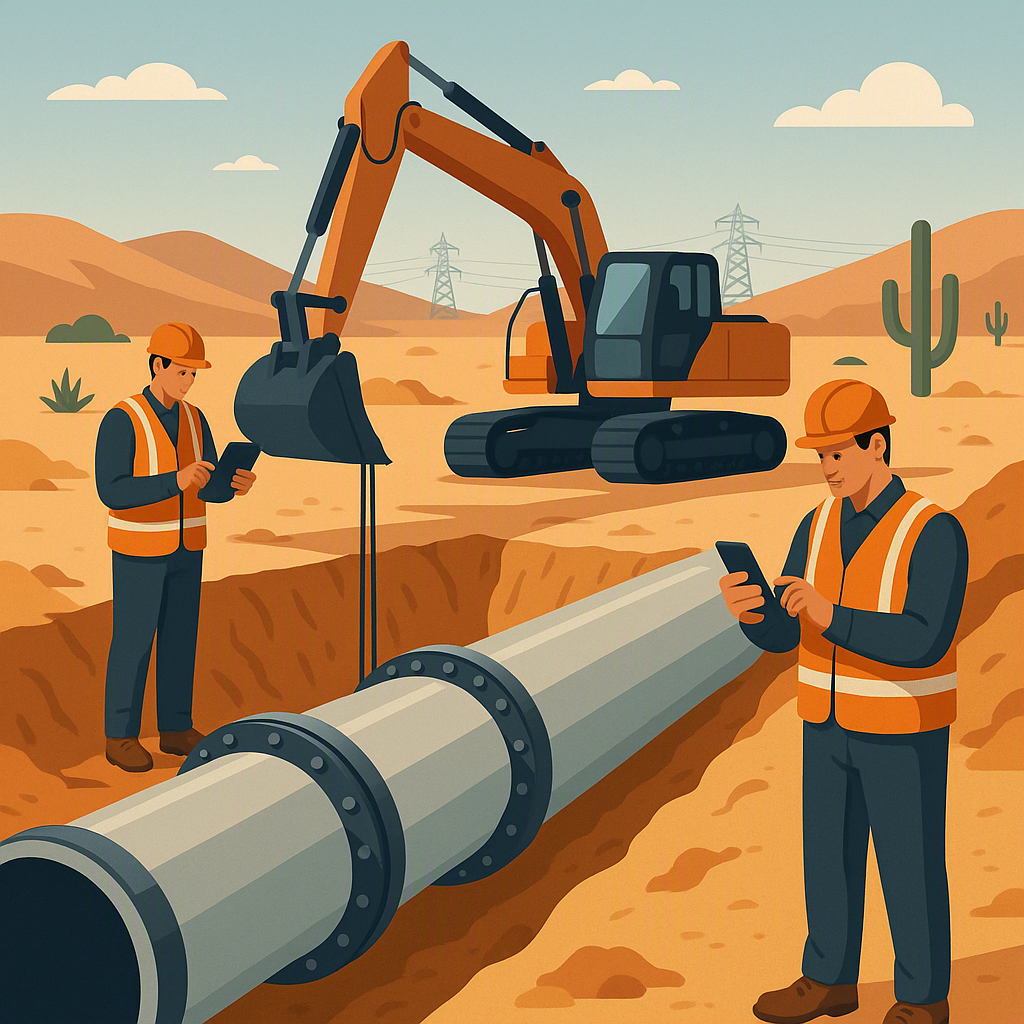
Water infrastructure projects, such as large-scale pipeline installations, demand precise pre-construction workflows. These projects are inherently complex, and inefficiencies during the pre-construction phase can lead to missed deadlines, budget overruns, and lost bids.
The Challenge: Pre-Construction Complexity
Many contractors face challenges during pre-construction. Delays in site surveys, errors in Bills of Quantities (BOQs), and slow approval processes can derail project timelines. Often, disconnection between field teams and office staff exacerbates these issues, with outdated methods like paper tracking or fragmented communication tools leading to inefficiencies. In high-stakes infrastructure projects, speed and accuracy are critical.
Unique Challenges in Water Pipeline Projects
Water pipeline projects differ from standard construction in two significant ways:
- Scope Complexity: These projects often span multiple jurisdictions, each with unique compliance requirements. Missing even one regulation can cause significant delays.
- Data Accuracy: Pipeline BOQs require detailed scopes, including trenching, pipe laying, environmental restoration, and compliance with quality, health, safety, and environmental (QHSE) standards.
If teams fail to capture and synchronize this data in real time, they risk falling behind competitors who have streamlined their workflows.
The Role of Real-Time BOQ Building
Real-time tools can significantly improve the pre-construction process. For example, during a site visit, teams can:
- Add unique scope items directly into the BOQ.
- Attach photos and other context to specific BOQ items.
- Input units of measurement, quantities, and rates on-site, syncing this data instantly to centralized systems.
These capabilities help contractors reduce errors, save time, and improve the accuracy of their bids.
Key Takeaways for Large-Scale Projects
Water pipeline projects highlight the importance of scalable and efficient workflows. Here are some key lessons:
- Anticipate Scope Changes: Large infrastructure projects often evolve as new challenges arise. Real-time tools allow for flexible and adaptive BOQs.
- Streamline Approvals: Multi-agency oversight requires fast and clear approval processes. Mobile workflows can help keep projects on track.
- Break Down Data Silos: Delayed updates and missed follow-ups can create opportunities for competitors. Real-time data management tools can mitigate these risks.
Common Mistakes to Avoid
- Delaying Digital Transformation: Relying on outdated methods like paper surveys can put contractors at a disadvantage.
- Neglecting Approval Processes: Slow sign-offs can hinder tender responses and project timelines.
- Underestimating Complexity: Infrastructure projects require detailed and accurate BOQs to account for specialized scopes.
Final Thoughts
Water pipeline projects are driving changes in how contractors approach pre-construction. The complexity and high stakes of these projects demand modern, efficient workflows. Contractors who embrace real-time tools and strategies can improve their competitiveness and project outcomes.
Learn more at JobNext.ai - Construction ERP