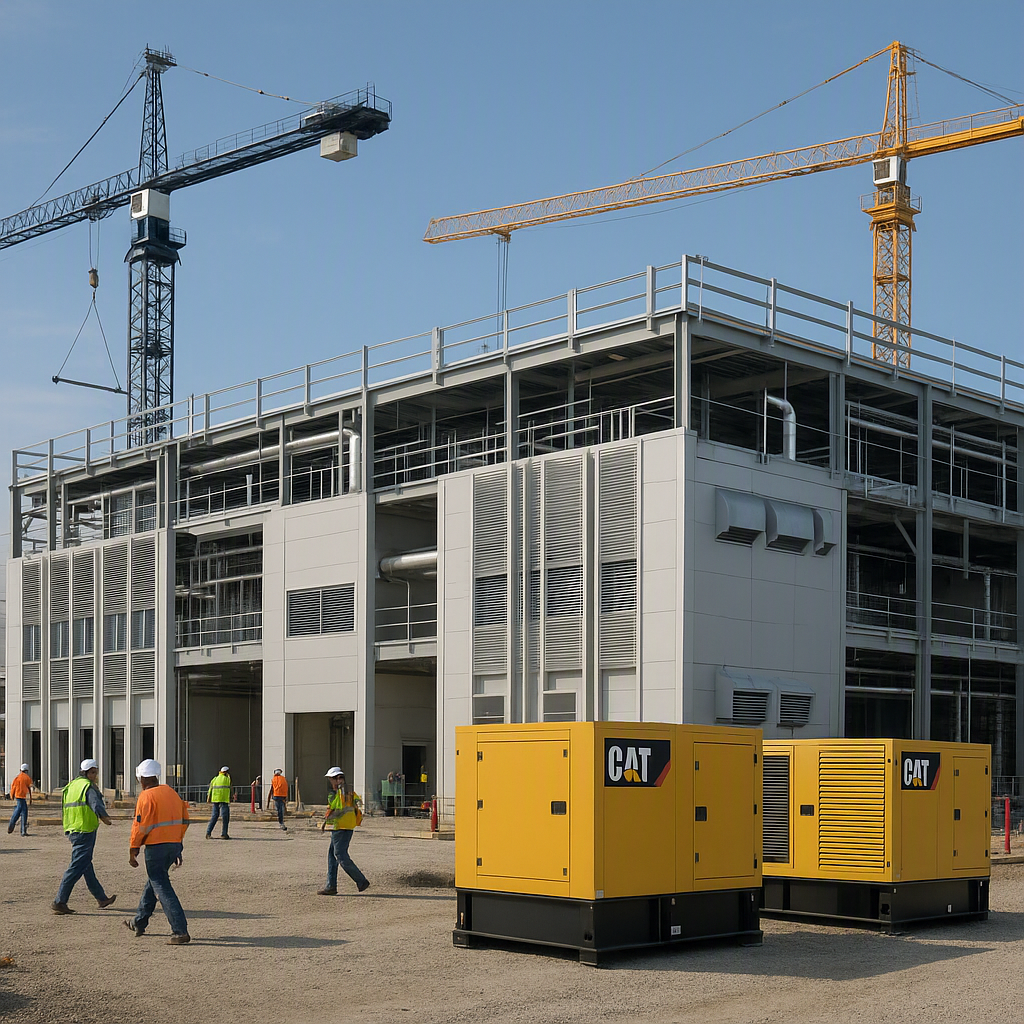
Why the Data Center Boom Matters to Contractors
The demand for data centers is rapidly increasing as businesses rely more on cloud computing and AI. This growth is reshaping the construction industry, with power equipment and infrastructure playing a significant role in supporting these facilities. Contractors have a major opportunity to capitalize on this trend, but it comes with challenges such as fast-paced timelines, technical complexity, and intense competition.
The Problem with Slow Tender Responses
One of the biggest hurdles contractors face is slow tender turnaround. Many still rely on outdated workflows, which can delay the process significantly. A typical scenario might involve:
- Receiving an enquiry from a prospect.
- Conducting a site visit to gather data.
- Recording information manually or taking photos.
- Transferring data back to the office for processing.
- Generating and sending the final quote.
By the time the quote is delivered, competitors who operate more efficiently may have already secured the job. This delay often stems from gaps in communication and the lack of real-time tools to streamline the process.
The Data Center Challenge: Speed and Accuracy
Data center projects demand high levels of precision. The Bill of Quantities (BOQ) must be detailed, timely, and error-free. Errors in scope or pricing can lead to losing the bid or financial losses during project execution.
For example, when quoting for a data center’s backup power systems, contractors need to account for generators, UPS systems, switchgear, and cooling solutions. Additional requirements, such as specialized ventilation ducts or noise-reducing enclosures, may be identified during site surveys. If these details are not accurately recorded and integrated into the BOQ in real time, it increases the risk of errors and delays.
How Real-Time BOQ Tools Solve This
Real-time BOQ tools can address these challenges by enabling field teams to create and update BOQs directly on-site. These tools allow for the addition of quantities, rates, and classifications like UOM, all synced instantly to an ERP system. This eliminates the need for double data entry and reduces delays.
Illustrative example — Imagine a team surveying a data center site. Using a real-time BOQ tool, they can document the scope of work, itemize materials, and attach photos directly to the enquiry. If additional equipment like specialized generators or cooling systems is needed, they can update the BOQ immediately. By the time the site survey is complete, the BOQ is ready for review and approval.
This approach not only saves time but also improves accuracy, helping contractors respond faster and more effectively to tenders.
Lessons from Industry Trends
The growth of the data center market offers several key takeaways for contractors:
-
Specialized Equipment Matters: Data centers have unique requirements, such as high-capacity generators and advanced cooling systems. Contractors who understand these needs and can source the right equipment quickly will have a competitive edge.
-
Agility Wins Bids: Success in the data center sector requires the ability to adapt quickly to project demands. Real-time bidding tools can provide the agility needed to stay competitive.
-
Efficient Supply Chains Are Critical: Data center projects often involve tight timelines and complex logistics. Streamlined procurement workflows can help contractors manage these challenges effectively.
FAQ
Q: How can contractors speed up their tender responses for data center projects?
A: Real-time tools allow field teams to create BOQs on-site, reducing turnaround times and improving accuracy.
Q: Why are data center projects so competitive?
A: The global demand for data centers is growing rapidly due to the rise of cloud computing and AI, attracting more contractors to the sector.
Q: What’s the biggest risk in data center construction tenders?
A: The biggest risk is submitting inaccurate or delayed quotes, which can result in lost bids or financial losses during project execution.
Q: How can real-time tools assist with site surveys?
A: Real-time tools can capture scope details, material requirements, and photos on-site, syncing them directly to an ERP system for immediate use.
Q: Are real-time tools suitable for small contractors?
A: Yes, small-to-mid-size businesses can benefit significantly from tools that streamline pre-tender activities and reduce manual processes.
Final Thoughts
The data center boom presents a significant opportunity for contractors, but it also brings challenges such as tight deadlines and fierce competition. To succeed, contractors need to prioritize speed and accuracy in their tender responses. Real-time tools can help streamline processes, improve efficiency, and increase the chances of winning bids in this competitive market.
Learn more at JobNext.ai - Construction ERP