What I Used to Think
For years, I thought AI in construction was a buzzword. Sure, it sounded fancy, but I couldn’t see how algorithms would help contractors win more bids or manage their workflows. Construction is hands-on, after all, and I figured no software could replace the practical experience of a seasoned contractor standing on a job site. It felt like a solution searching for a problem.
Even when articles and software companies started hyping AI’s potential, I tuned them out. Industry veterans are often skeptical of new tech, and for good reason: plenty of fads come and go, offering big promises but little value. I’ve seen too many tools fail because they don’t address the realities of construction work — the unpredictability, the need for on-the-spot judgment, and the reliance on relationships.
The Thing That Changed It
Then came the labor market crunch — and it wasn’t subtle. According to recent data from the U.S. Bureau of Labor Statistics, job openings in construction hit a record high in 2023, but hiring rates didn’t keep pace. A study by the Associated General Contractors of America revealed that 91% of construction firms struggled to find skilled labor last year. This wasn’t a problem you could just “wait out.” It was structural, systemic, and demanded new solutions.
Suddenly, the idea of AI stepping in to fill gaps didn’t seem so far-fetched. What really shifted my perspective was a conversation with a mid-sized MEP contractor. He told me about how his team was spending days chasing down survey data and building Bills of Quantities (BOQs) back at the office. By the time they submitted a quote, they’d already lost the job to a competitor who sent theirs in hours. For them, every lost bid meant thousands of dollars left on the table.
This wasn’t just inefficiency; it was a competitive disadvantage. That’s when I realized AI wasn’t about replacing skilled workers — it was about enabling them to do more with less.
Why My Old Belief Survived
I’ll admit, I wasn’t completely off-base. Construction is a unique industry, and software hasn’t always kept up. There’s a reason some contractors still rely on spreadsheets, paper forms, and even WhatsApp to manage their pre-tender workflows. These tools are familiar, and they work — sort of. Plus, who wants to deal with a complicated ERP system that’s a headache to access from a job site?
Even when AI-powered tools began making waves, I was skeptical. Most of the promises seemed overblown. “Automated bidding,” “predictive analytics,” “AI-driven insights” — it sounded good on paper but felt disconnected from the daily grind of construction. The nuances of site surveys, BOQs, and quoting aren’t something you can just plug into an algorithm and expect perfect results.
But here’s the thing: AI doesn’t have to replace those nuanced human judgments. It can operate in the background to make the work easier, faster, and more accurate. It’s not about reinventing the wheel — it’s about making the wheel spin smoother.
What I Do Differently Now
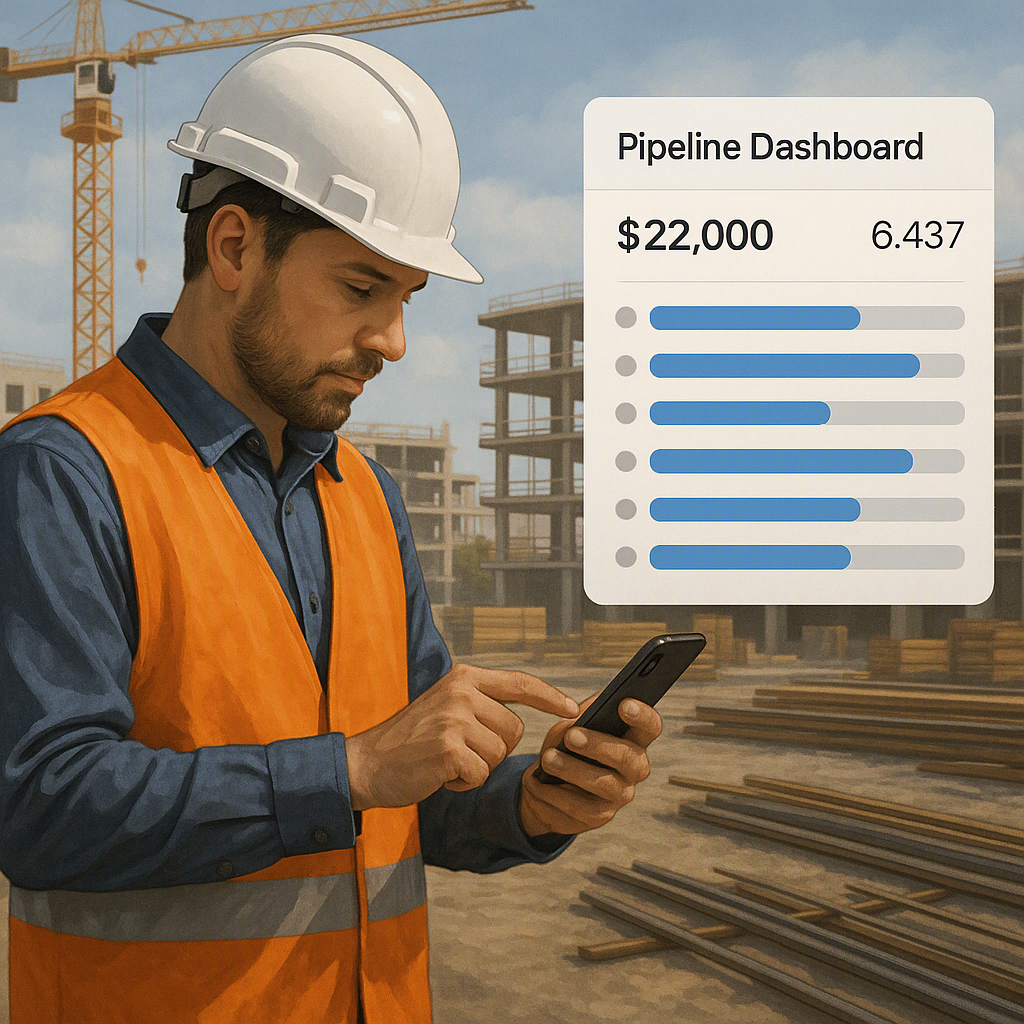
I’ve started to think about AI differently, not as a replacement for human expertise but as a way to amplify it. Take BidNext’s real-time BOQ builder as an example. It lets contractors build BOQs directly on-site, line by line, while the scope is fresh in their minds. You can add quantities, rates, units of measurement (UOMs), and even classify items by BOQ type — all from your phone. No more scribbling on paper or taking photos and hoping you remember the details later. Everything syncs instantly to JobNext ERP, so there’s no double entry and no delays.
Here’s why this matters:
-
Time Savings: Shaving two or three days off your quoting process means you’re already ahead of half your competitors. In an industry where timing matters, this can be the difference between winning or losing a job.
-
Error Reduction: Building BOQs on-site ensures you capture details while they’re fresh in your mind, reducing mistakes that can lead to costly reworks.
-
Seamless Integration: Tools like BidNext sync directly to ERP systems, eliminating redundant data entry and ensuring everyone works from the same information.
For example, if you’re walking through a site and need to record quantities for plumbing fixtures, you can do it on the spot. The data flows automatically into your ERP, ready for immediate use in your quotes.
This isn’t about some futuristic AI making decisions for you. It’s about eliminating the busywork that’s clogging up your pipeline.
What Being Wrong Cost
Looking back, my skepticism cost me time. I spent years dismissing tools that could’ve made my workflows faster and my bids more competitive. I think about the projects I lost — not because my team wasn’t skilled enough, but because we didn’t get the numbers in on time. That’s a tough pill to swallow.
If I had embraced AI earlier, I could’ve avoided the inefficiencies that held me back. It’s not just about the financial losses; it’s about the opportunities missed to grow and scale my business.
I’m still not sure AI is the answer to everything. It won’t replace the gut instincts and relationships that drive this industry. But when it comes to speeding up processes like BOQ creation and quoting, I’m convinced it’s not just a nice-to-have — it’s non-negotiable.
Comparison Table: Traditional BOQ Workflow vs. AI-Powered Workflow
| Feature | Traditional Workflow | AI-Powered Workflow |
|---|---|---|
| BOQ Creation Time | 2-3 days | Few hours |
| Error Rate | Higher due to manual entry | Lower due to automated processes |
| Data Integration | Manual input across platforms | Automatic sync to ERP |
| Accessibility | Paper-based, prone to loss | Mobile-friendly, cloud-based |
| Competitiveness | Slower bid submissions | Faster, more precise bids |
Call to Action
If the labor shortage is slowing down your pre-tender workflows, BidNext can help. With real-time BOQ tools and seamless ERP integration, it’s built for contractors who need to bid smarter, not harder. Get started free →
Learn more at JobNext.ai - Construction ERP