AI Can Spot Red Flags, But It Won’t Solve Your Pre-Tender Bottlenecks
There’s something frustrating about AI in construction. It can analyze your pre-tender pipeline, flag delays, and even identify inefficiencies that are costing you money. But here’s the thing: AI can’t fix the actual problems. It’s like having someone point out where the leak is in your roof, then handing you a bucket instead of a patch.
Let’s talk about one of the biggest pain points contractors face—pre-tender bottlenecks—and why AI alone isn’t enough to solve them.
The Problem: Field Teams Operate Blind
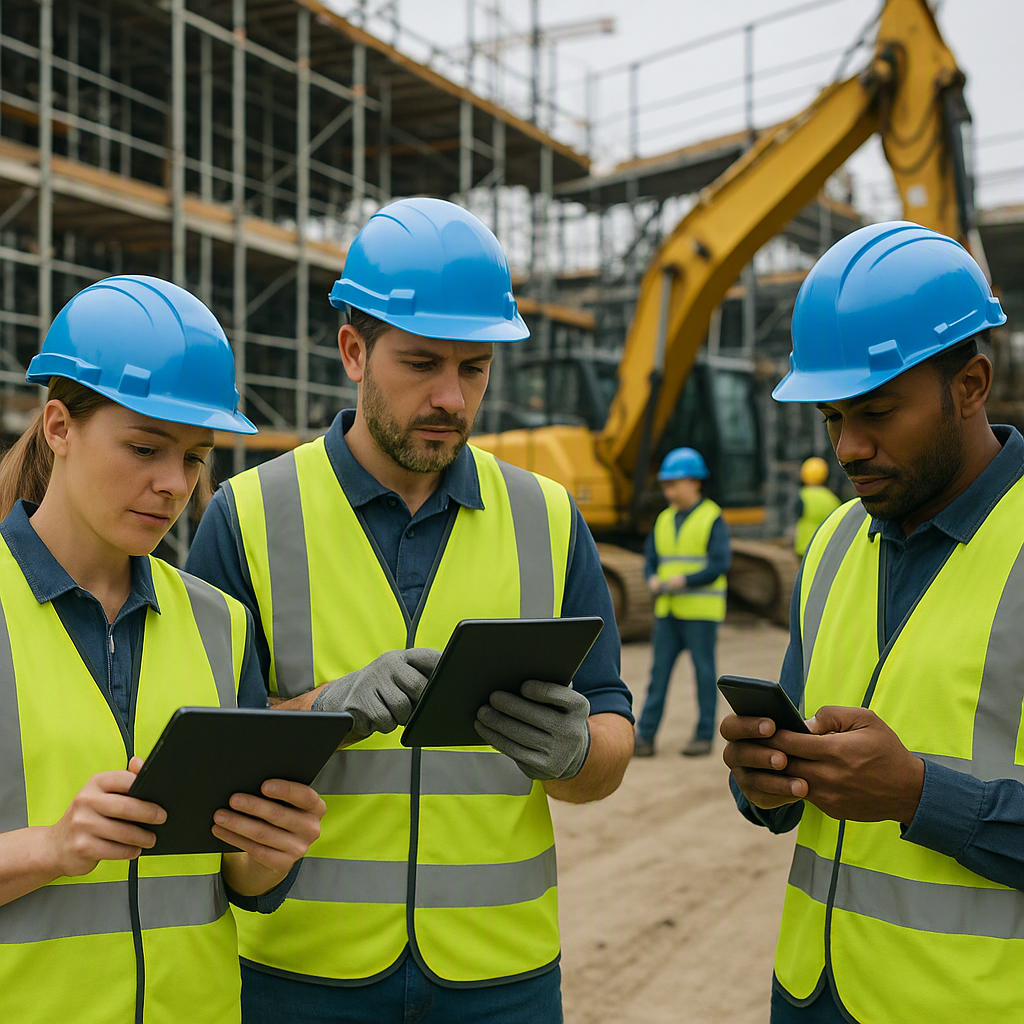
Picture this: A sales rep visits a site and meets a potential client who needs a quote fast. The rep scribbles some notes, takes a few photos, and promises to email the office later. But by the time they’re back at their desk and ready to enter the data into the ERP, it’s already too late. The client’s signed with someone else.
Sound familiar? It’s a common scenario. Many contractors still rely on WhatsApp chats, Excel sheets, and paper notes to track leads. It’s a mess. Field teams are operating blind, and management doesn’t know what’s happening on the ground until a weekly report shows up—by then, it’s old news.
Even mid-sized firms struggle with this disconnection. Why? Because they’re stuck in outdated workflows that weren’t designed for the realities of modern construction.
AI’s Role: Great at Diagnosing, Useless at Fixing
AI tools can tell you what’s wrong. They’ll analyze your pipeline, show you where quotes are delayed, and highlight missed follow-ups. But what happens next? You’re left staring at the data, trying to figure out how to fix it.
Illustrative example — Let’s take BOQs (Bill of Quantities) as an example. Contractors often lose tenders because of slow, outdated BOQ processes. Building BOQs in the office days after a site visit can lead to errors, delays, and lost deals. AI can analyze your BOQ accuracy trends, but it can’t magically make your field teams faster or more organized.
What Keeps the Old Way Alive?
Why do these manual processes stick around? For starters, they’re familiar. If you’ve been using spreadsheets for years, you might wonder why you need to switch to something new. Plus, the fear of learning yet another tool can feel overwhelming.
And let’s be honest—there’s a misconception that construction work is too “hands-on” for digital solutions. But that’s outdated thinking. The truth is, field teams need tools that are as mobile as they are. If your sales reps can’t access your ERP on-site, they’ll keep improvising with whatever’s easiest. This creates data silos, slows down decision-making, and costs you money.
What We Do Differently Now
Here’s the pivot many companies are making: prioritizing real-time, mobile-friendly tools that remove the bottlenecks. Tools like mobile-friendly ERP systems are designed for contractors who can’t afford to let field data sit idle.
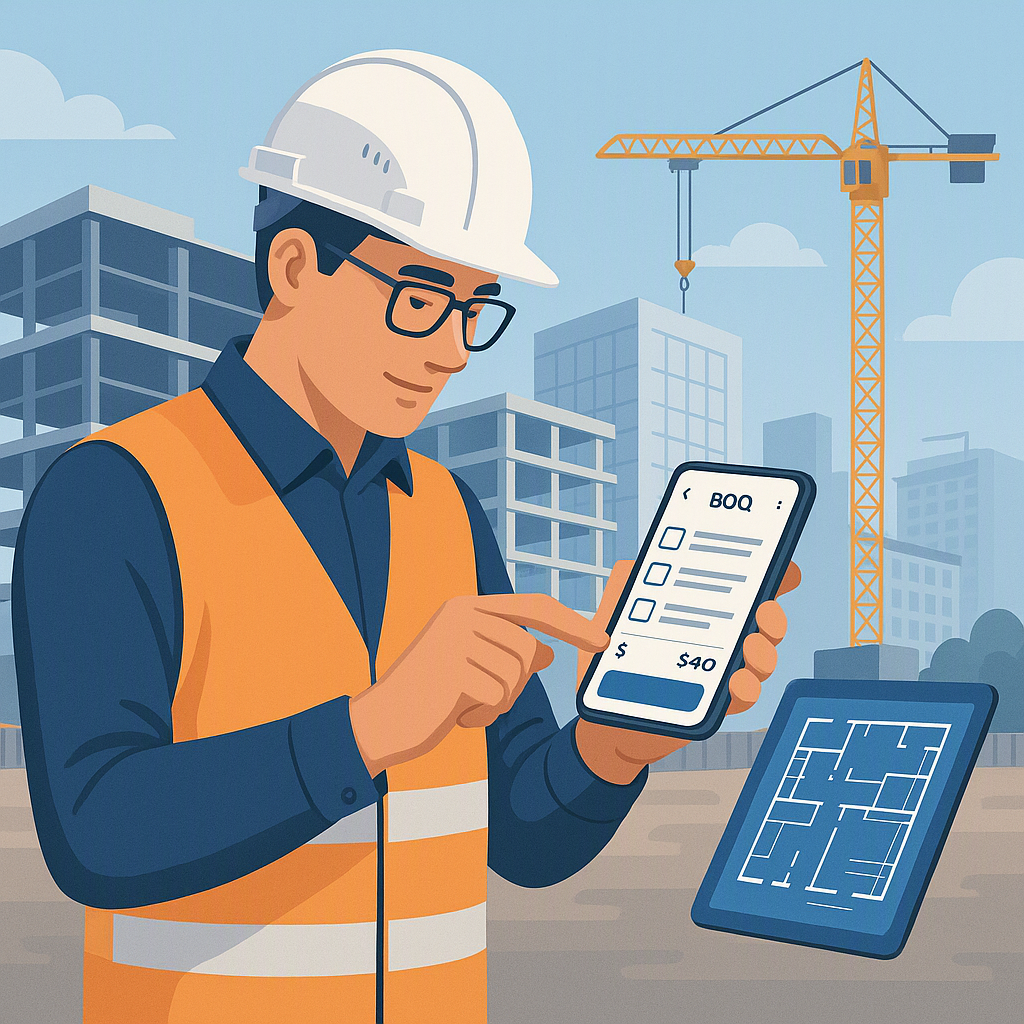
For example, some tools allow field teams to create BOQs directly on-site. They can enter quantities, rates, and classifications without waiting to get back to the office. Everything syncs instantly with the ERP, so management can see the pipeline live—not just in hindsight.
It’s not just about speed, though. Accuracy improves, too. When your team builds BOQs on-site while the scope is fresh, you’re far less likely to miss details or make costly mistakes. This is critical when margins are tight. One missed follow-up or delayed quote could cost you significant opportunities.
What Being Wrong Cost Us
For years, many companies thought the problem was simply identifying bottlenecks. They invested in AI tools, thinking they’d solve everything. But the real issue wasn’t awareness—it was action.
Looking back, it’s clear what was overlooked: field-friendly tools that empower teams to act in real-time, not just report on delays. While progress has been made, the challenge remains in fully closing the gap between field teams and management. How do you get everyone on the same page without overwhelming them with new processes?
FAQ
1. Can’t AI tools automate the entire pre-tender process?
No. AI is great at analyzing data and highlighting trends, but it can’t replace human decision-making or fix broken workflows. You need tools that empower your team to act in real-time.
2. What’s the biggest risk of relying on manual processes?
Missed opportunities and errors. For example, forgetting to follow up on a lead or misentering BOQ data can cost you significantly. It’s not just inefficient—it’s risky.
3. Why is real-time awareness so important?
Because the construction industry moves fast. If you can’t see what’s happening in your pipeline as it evolves, you’re at a disadvantage. Weekly reports don’t cut it anymore.
4. How can I convince my team to adopt mobile tools?
Start small. Introduce one feature—like on-site BOQ building—and show them how much time it saves. Once they see the benefits, they’ll be more open to using the full toolset.
5. What if my team isn’t tech-savvy?
Choose tools with simple, intuitive interfaces. Mobile-friendly ERP systems, for example, are designed for field teams who aren’t sitting at a desk all day. They’re easy to use, even with minimal training.
Final Word
AI can tell you what’s wrong, but fixing pre-tender bottlenecks requires field-friendly tools that empower your team to act in real-time. Mobile ERP solutions are built specifically for contractors who need to manage prospects, build BOQs, and respond to enquiries on the go.
Learn more at JobNext.ai - Construction ERP